Itinerary— all
Tohoku Without a Car: How to See the Region by Train and Bus
June 17, 2026
The idea that you need a rental car to see Tohoku is one of the region's most persistent myths. Visiting Tohoku without a car is not only possible, it is often the smarter, more relaxed way to travel northern Japan.
The idea that Tohoku demands a rental car is the first thing many travelers hear, and it stops some of them before they start. It is mostly wrong. Tohoku without a car is not a compromise; for a great many itineraries it is the better choice, freeing you from snow-route anxiety, parking, and the long solo drives that tire out a trip.
The region rewards people who plan around timetables rather than fight them. A high-speed spine runs the length of Tohoku, regional lines branch off it toward the coasts and mountains, and buses fill in the gaps to the famous onsen and gorges. None of it is seamless in the way Tokyo's grid is, but it is coherent, and once you understand the shape of it the worry dissolves.
What follows is a practical map of how the trains and buses actually connect, where the friction really sits, and how passes and a couple of clever habits make car-free travel light and cheap. A sample week at the end shows it holding together in practice.
The Shinkansen Spine and Its Branches
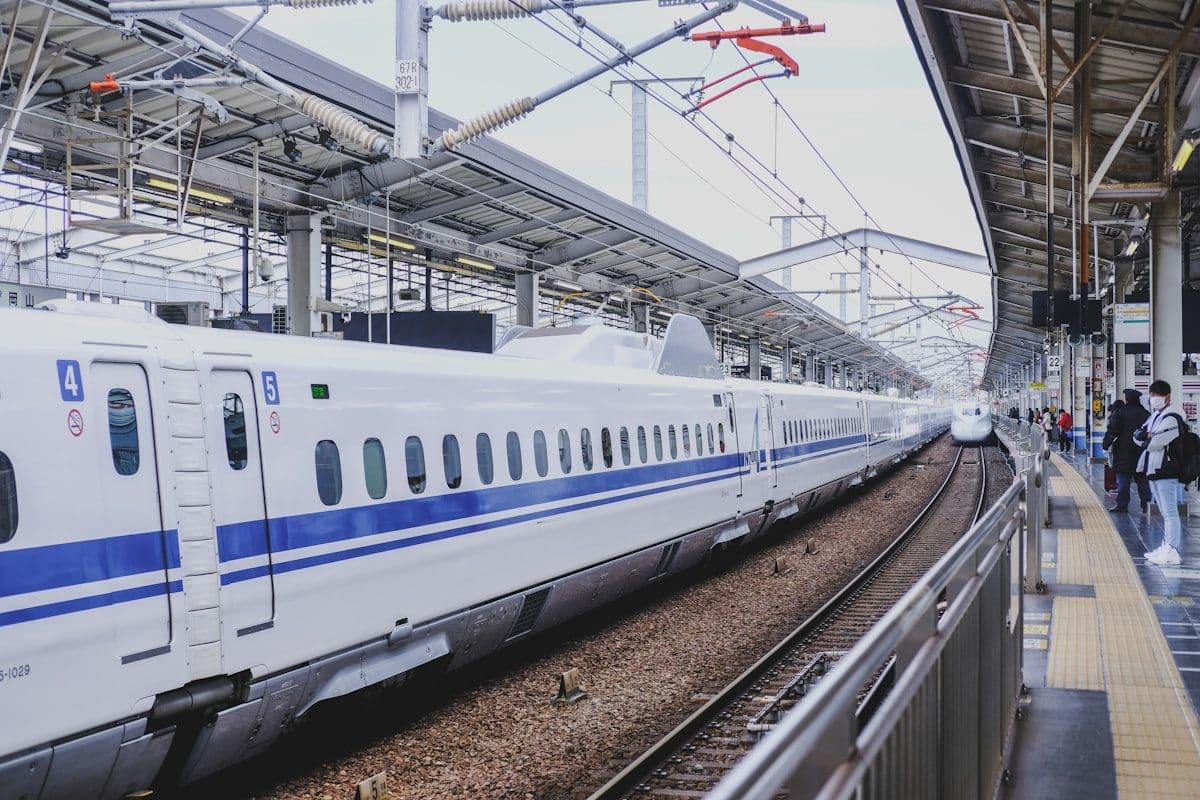
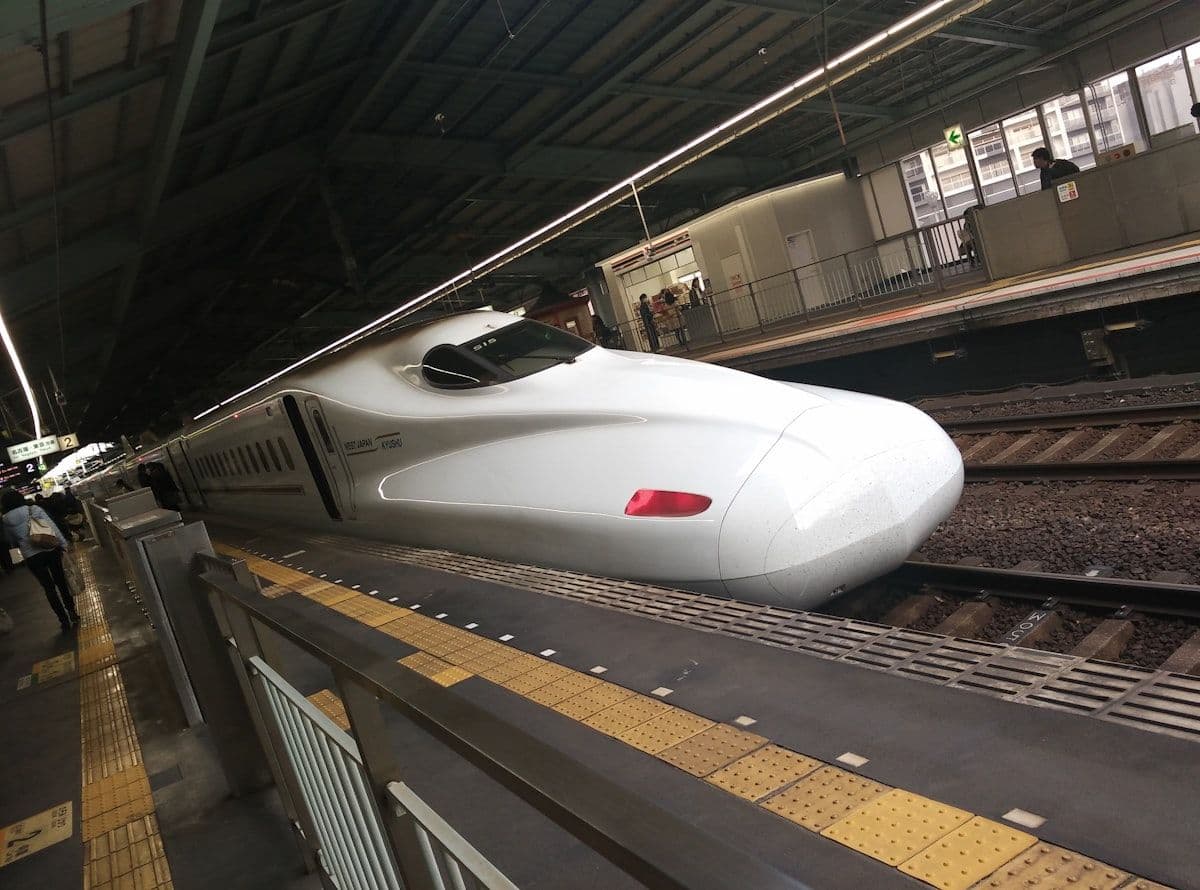
Everything starts with the Tohoku Shinkansen. It leaves Tokyo and runs north through Sendai, Morioka, and on to Shin-Aomori, covering the eastern length of the region in a few hours. Sendai is reached in roughly an hour and a half, Morioka in around two and a quarter, and Shin-Aomori in about three. These are fast, frequent trains, and they put the gateway city of every eastern prefecture within a comfortable day's reach of one another.
Where the line splits
Two branch shinkansen peel off the main line and reach the prefectures the coast-hugging spine would otherwise miss. The Akita Shinkansen diverges at Morioka and runs west through Tazawako to Akita, slowing to share regular tracks for part of the route but saving you a transfer. The Yamagata Shinkansen branches at Fukushima and heads to Yamagata and on to Shinjo. Between the main line and these two arms, every one of the six prefectures, Aomori, Iwate, Miyagi, Akita, Yamagata, and Fukushima, has a shinkansen station you can treat as a base.
Thinking in hubs
The useful mental model is a set of hubs strung along fast track. Sendai for Miyagi and the start of many side trips, Morioka for Iwate and the Akita branch, Aomori for the far north, Yamagata and Fukushima for the south and west. You ride the shinkansen between hubs, then switch to a local train or bus for the last stretch. Almost every itinerary in Tohoku can be drawn as hub-to-hub, then hub-to-sight.
The Local and Scenic Network
Below the high-speed layer sits a web of regional JR lines and a few private railways. Some are pure transport; others are destinations in their own right, slow trains run for the view rather than the schedule. Treating the scenic ones as activities rather than transfers changes how the whole trip feels.
Trains worth riding for their own sake
The Resort Shirakami runs along the Sea of Japan coast between Akita and Aomori on the Gono Line, with wide windows angled at the water and a route that no road trip improves on. Inland, the Tadami Line crosses Fukushima's mountains and river valleys and has become famous for its viaduct over the Tadami River, particularly under snow. Iwate's coast and interior see seasonal sightseeing trains; the SL Ginga steam service that long ran the Kamaishi Line drew crowds before its retirement, and JR East continues to rotate special trains, including Pokemon-themed services, so check what is operating for your dates. These trains usually require seat reservations and run on limited days.
Coastal and private lines
The Sanriku Railway runs along Iwate's Pacific coast, a privately operated line rebuilt and extended after the 2011 tsunami, and it is the spine of any car-free trip down that shore. It connects fishing towns and dramatic cliff scenery that would otherwise need long drives. Because it is not a JR line, it is not covered by JR passes, so budget for separate fares or the railway's own tickets. The same caveat applies to several other local operators across the region.
Itinerary
Tohoku by Rail: The Ultimate JR Pass Guide for First-Timers
Tohoku is easier to navigate by train than most visitors expect. Here's the complete guide to passes, routes, and what the rail network can and cannot do.
Buses to the Marquee Sights
Many of Tohoku's signature places have no train station, and this is where first-time visitors assume a car becomes mandatory. In practice, scheduled buses reach most of the famous names. The catch is frequency, so the planning shifts from where to when.
Onsen you can reach by bus
Ginzan Onsen, the gaslit Taisho-era hot spring town in Yamagata, is served by bus from Oishida Station on the Yamagata Shinkansen. Nyuto Onsen, the cluster of rustic baths in Akita, is reached by bus from Tazawako Station on the Akita Shinkansen, often via Lake Tazawa. Both runs are timed loosely to train arrivals but are not constant, so note the last departure before you commit to a soak. Many ryokan in these areas also run guest shuttles if you ask when booking.
Lakes, gorges, and old post towns
Lake Towada and the Oirase Gorge that drains it are served seasonally by bus from both Aomori and Hachinohe, the Hachinohe approach connecting from the shinkansen; winter schedules thin out sharply or pause. Ouchi-juku, the thatched-roof post town in Fukushima, is reached by a combination of the Aizu Railway and a local bus or taxi from Yunokami Onsen Station. Geibikei Gorge in Iwate, where boatmen pole flat-bottomed craft between cliffs, sits a short ride from Geibikei Station on the Ofunato Line. None of these requires a car; all of them reward checking the timetable the night before.
Being Honest About the Hard Parts
Car-free Tohoku has real limits, and pretending otherwise leads to stranded afternoons. The friction is concentrated in a few predictable places, and each has a workable answer.
Where it genuinely gets harder
Dispersed destinations are the main problem. Tono, the folklore valley in Iwate, spreads its farmhouses, shrines, and museums across a wide basin that buses cover thinly; the rental cycles and occasional sightseeing buses help, but it is the kind of place a car simplifies. Some remote coastal villages along the Sanriku shore have only a handful of services a day. Deep-rural bus timetables can mean two or three departures between morning and evening, and missing one costs hours.
How to handle the gaps
Three habits cover almost every case. First, plan around the schedule rather than against it, building the day on the last useful bus back. Second, use taxis for short, awkward final legs; a fifteen-minute taxi from a rural station is cheap next to a full-day car rental, and many regions offer fixed-price sightseeing taxi plans. Third, when one area truly resists transit, rent a car for a single day from a hub station and return it the same evening, keeping the rest of the trip car-free. One rental day in Tono or along a stretch of coast is a precise tool, not a defeat.
Passes, IC Cards, and Traveling Light
The money side favors visitors. Foreign passport holders have access to regional passes that make heavy train use far cheaper than point-to-point tickets, and a few small conveniences remove most of the daily friction.
Which pass fits
The JR East Tohoku Area Pass gives several days of unlimited travel on JR East lines across the region, including the shinkansen, within a flexible window, and it is sold to overseas visitors on a temporary stay. If your trip pairs Tohoku with Hokkaido, the JR East South Hokkaido Pass extends coverage north across the Tsugaru Strait toward Hakodate and Sapporo's approaches. Both are designed for foreign tourists and are usually cheaper to buy before arrival, though terms, prices, and validity periods change, so confirm the current product and eligibility on the official JR East site before you travel. Note that neither covers private lines like the Sanriku Railway or Aizu Railway.
Cards and luggage
For everything outside the pass, a rechargeable IC card such as Suica handles local trains, many buses, and convenience-store purchases with a tap, sparing you ticket machines in kanji. The single most underrated trick, though, is luggage forwarding. Takkyubin services, run by carriers like Yamato, will send your suitcase from one hotel or ryokan to the next, typically arriving the following day, for a modest fee. You ride the scenic trains and climb the onsen-town stairs with a day pack while the heavy bag travels separately. It is the habit that makes car-free Tohoku not just feasible but genuinely comfortable.
A Sample Car-Free Week
To show the pieces fitting together, here is one workable week. Treat it as a skeleton, not a prescription, and verify every connection close to your dates.
Day by day
Begin in Tokyo and take the shinkansen to Sendai for a first night, using it as a base for Matsushima Bay by local train. On the second day continue to Morioka, then branch onto the Akita Shinkansen to Tazawako and bus up to Nyuto Onsen for a night in the baths, sending your suitcase ahead. The third day carries on to Akita and boards the Resort Shirakami along the coast toward Aomori, an afternoon that is itself the sightseeing. From Aomori, day four runs a seasonal bus to Lake Towada and the Oirase Gorge. Day five swings south on the shinkansen to Yamagata, with a bus from Oishida to Ginzan Onsen. Day six drops to Fukushima for the Tadami Line and a side trip toward Ouchi-juku. Day seven returns to Tokyo. No car turns the key once, and the heavy bag mostly travels on its own.
Frequently Asked Questions
Is it really realistic to visit Tohoku without a car?
Yes, for most mainstream itineraries. The shinkansen and its branches reach every prefecture, regional trains and buses cover the famous onsen and gorges, and luggage forwarding keeps you mobile. The honest exceptions are dispersed rural areas like Tono and a few thinly served coastal villages, which a single rental day or sightseeing taxi can solve without abandoning car-free travel overall.
Will a JR pass cover everything I want to ride?
It covers a great deal but not all of it. The JR East Tohoku Area Pass includes JR lines and the shinkansen, which is the bulk of any trip. It does not cover private railways such as the Sanriku Railway or the Aizu Railway, or most local buses, so carry an IC card and some cash for those. Always confirm the current pass terms on the official JR East site before buying.
How do I deal with the infrequent rural buses?
Plan the day backward from the last useful departure, and check the timetable the night before rather than on arrival. For short final legs where buses are sparse, a taxi from the station is usually inexpensive, and many areas sell fixed-price sightseeing taxi plans. Ryokan in remote onsen often run guest shuttles, so ask when you book.
What is takkyubin and why does it matter so much?
Takkyubin is Japan's door-to-door luggage delivery, run by carriers like Yamato. For a modest fee your suitcase travels from one accommodation to the next, usually arriving the following day, while you move with a light day pack. It removes the single biggest hassle of train-and-bus travel, hauling heavy bags up onsen-town hills and onto crowded scenic trains, and is what makes car-free Tohoku comfortable rather than merely possible.