Itinerary— all
How to Plan a Slow Travel Week in Tohoku: Onsen, Sake, and Silence
May 13, 2026
Seven nights. No rushing. The Tohoku slow travel itinerary for people who want to actually feel a place rather than photograph it.
Most Japan itineraries are built for coverage. Six cities in twelve days. Bullet train in the morning, temples in the afternoon, dinner at a place with a queue. The country can absorb this kind of travel — it is designed for it. But Tohoku rewards a different approach. It is a region that gets better the slower you move through it.
This is a seven-night itinerary built for one thing: the feeling that you have actually been somewhere. It covers four stops, moves at a pace that allows for afternoon naps and second breakfasts, and allocates enough time in each place to discover what you missed on the first day.
The Framework
Seven nights. Four stops. No day trips that require an alarm before 7am. No train changes that involve running. A mix of traditional ryokan (included meals, private baths, the structured calm of Japanese inn culture) and one or two more independent nights in a smaller guesthouse or city hotel.
Night 1–2: Sendai, Miyagi — Arrival and Orientation
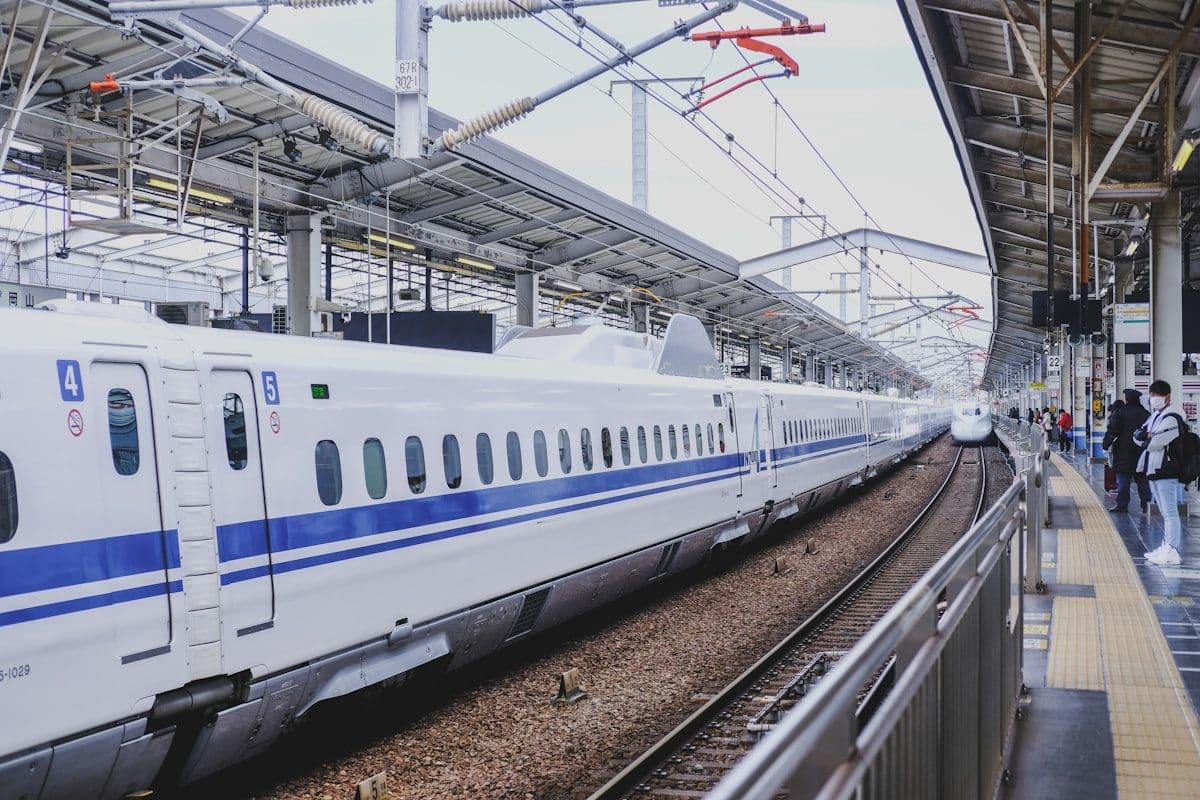
Arrive in Sendai by shinkansen from Tokyo (90 minutes). Sendai is Tohoku's largest city and the most comfortable entry point — it has the infrastructure of a mid-sized Japanese city without the tourist volume of Osaka or Kyoto.
Evening 1: Walk the Jozenji street zelkova tree avenue. Eat beef tongue (gyutan) — this is where the tradition started — at Rikyu near the station or at Kisuke in Kokubuncho. The beef tongue in Sendai is charcoal-grilled, served with barley rice and pickles, and is a different food from what you have eaten before.
Day 2: Day trip to Matsushima by train (40 minutes). The bay of 260 pine-covered islands is one of Japan's three canonical scenic views. Take the ferry between islands, visit Zuiganji Temple (17th century, carved from a cliff face), and eat oysters at one of the waterfront restaurants — Matsushima is one of Japan's finest oyster-producing areas. Return to Sendai for the night.
Onsen
Ginzan Onsen: The Complete Guide (All Seasons)
Ginzan Onsen is Japan's most beautiful hot spring village — in every season. Here is everything you need to visit, from how to get there to where to stay.
Night 3: Ginzan Onsen, Yamagata — The Village
Train from Sendai through Yamagata to Oishida (approximately 1 hour 40 minutes), then bus to Ginzan Onsen (40 minutes). Arrive by late afternoon to catch the village before dusk.
This is a single night in the most beautiful onsen village in Japan. The point is not what you do here — it is where you are. Walk the 300-metre main lane twice. Bathe twice (your ryokan bath before dinner, again before sleep). Eat kaiseki dinner at the ryokan. Sleep deeply.
Morning of Day 4: wake early and walk the lane again before other guests are up and before the day-tripper buses arrive. Breakfast at the ryokan. Take the late morning bus back to Oishida.
Night 4–5: Nyuto Onsen, Akita — The Mountain
From Oishida, train north through the mountains via Shinjo toward Akita, then the Komachi shinkansen branch to Tazawako Station. Bus to Nyuto Onsen. Total journey approximately 2.5 hours.
Two nights at Nyuto allows one full day for meguri — visiting multiple baths across the seven-ryokan cluster using the shared pass. Strategy: morning bath at your own ryokan, mid-morning at Tsurunoyu (the most famous, the milky white outdoor bath), afternoon at Kuroyu or Magoroku, return to your ryokan for private evening bath. The variety of springs in a single day is impossible to replicate elsewhere in Japan.
The food at most Nyuto ryokan is kaiseki — multi-course Japanese dinner using local ingredients. Akita produces among Japan's finest rice and the most interesting mountain vegetables. Eat slowly. There is nowhere to go.
Night 6–7: Morioka, Iwate — The City at the End
Train from Tazawako to Morioka (30 minutes on the shinkansen). Morioka is the ideal final stop — a small city with a distinct food culture, excellent coffee shops, and a compact old quarter that rewards walking.
Day 6: Arrive midday. Check into a machiya guesthouse or mid-range hotel. Walk the Kaiundori district — stone buildings from the Meiji era, now occupied by coffee roasters and craft shops. Eat wanko soba for lunch (the relay of small soba bowls, refilled until you put the lid on — a Morioka experience that cannot be replicated). In the evening, try Morioka reimen (cold buckwheat noodles in a beef broth, served with watermelon) at Pyon Pyon Sha near the station.
Day 7: final morning. Hoon coffee roaster on Nakanohashi-dori for coffee and toast. Browse the Iwate craft shops for Nambu iron tetsubin teapots — the real ones, cast in Morioka, are worth the luggage weight. Shinkansen south to Tokyo in the afternoon.
The Principles
One activity per half-day maximum. Two if one is eating. Unscheduled time is the point — you will fill it with things you discover there, not things you planned here.
Stay in places with included breakfast. Starting the day with a Japanese breakfast — rice, miso soup, pickles, grilled fish, tamagoyaki — is not just convenient. It is part of the experience.
Carry cash. Tohoku operates more on cash than Tokyo. ¥50,000 in hand at the start of the week is adequate.