What Awaits You
Experiences
Tohoku does not offer attractions. It offers encounters — with water, fire, craft, and the people who have kept these traditions alive for a thousand years.
Experience
Onsen & Ryokan
Stillness that reaches the bone
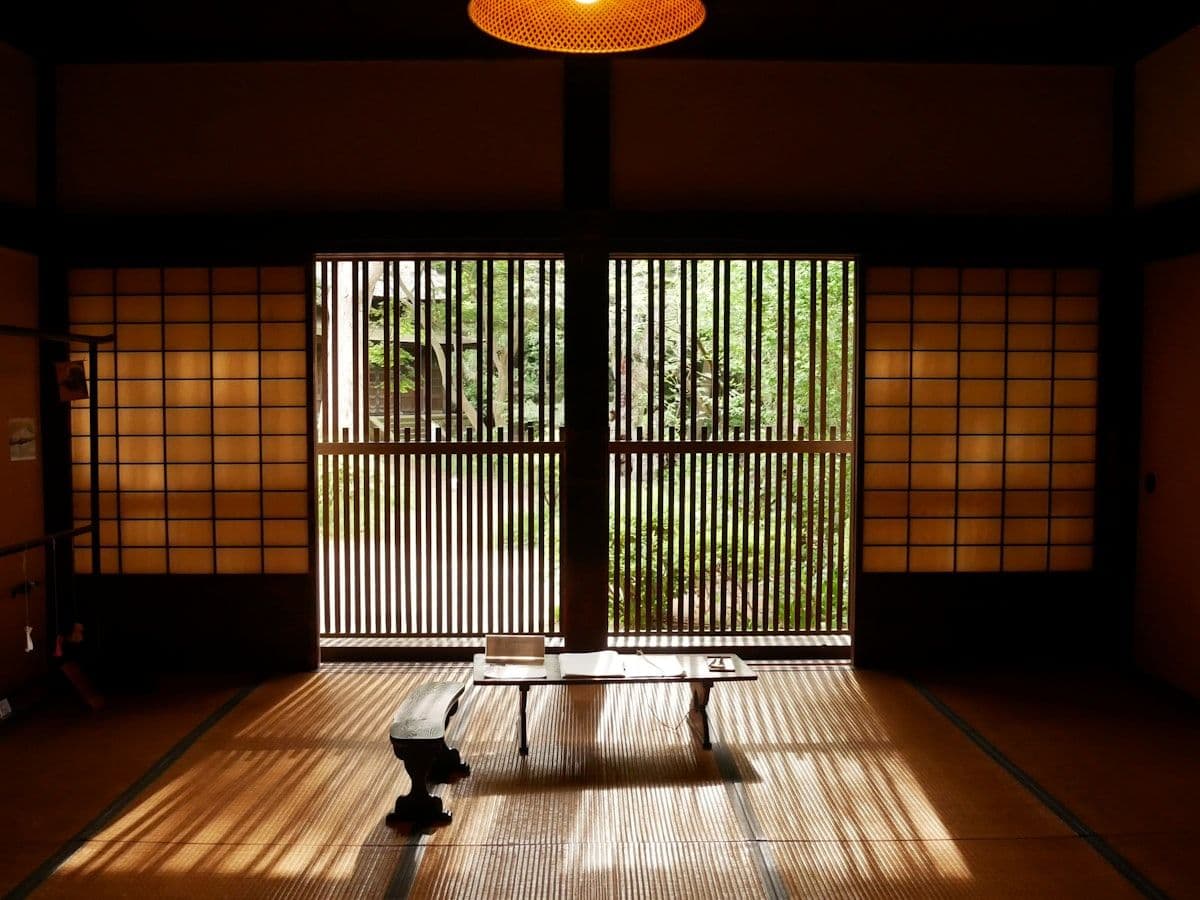
Tohoku's thermal springs are among Japan's oldest and least visited. Unlike the crowded baths of Hakone or Beppu, these waters are shared mostly with locals — fishermen, farmers, and the occasional pilgrim. A night in a proper Tohoku ryokan, with a kaiseki dinner sourced entirely from the surrounding mountains, recalibrates something in you.
- Ginzan Onsen — the iconic snow village with gas-lit wooden inns
- Nyuto Onsen — seven separate baths deep in Akita forest
- Naruko Onsen — known for kokeshi dolls and milky-white waters
- Zao Onsen — volcanic sulfur baths at the foot of the snow monsters
 all
allOnsen· July 6, 2026
Onsen Etiquette: A First-Timer's Guide to Bathing in Tohoku
Onsen etiquette can feel intimidating before the first soak, but the rules are simpler and kinder than they look. A calm, step-by-step guide to bathing in Tohoku, Japan's hot spring heartland.
 all
allOnsen· June 24, 2026
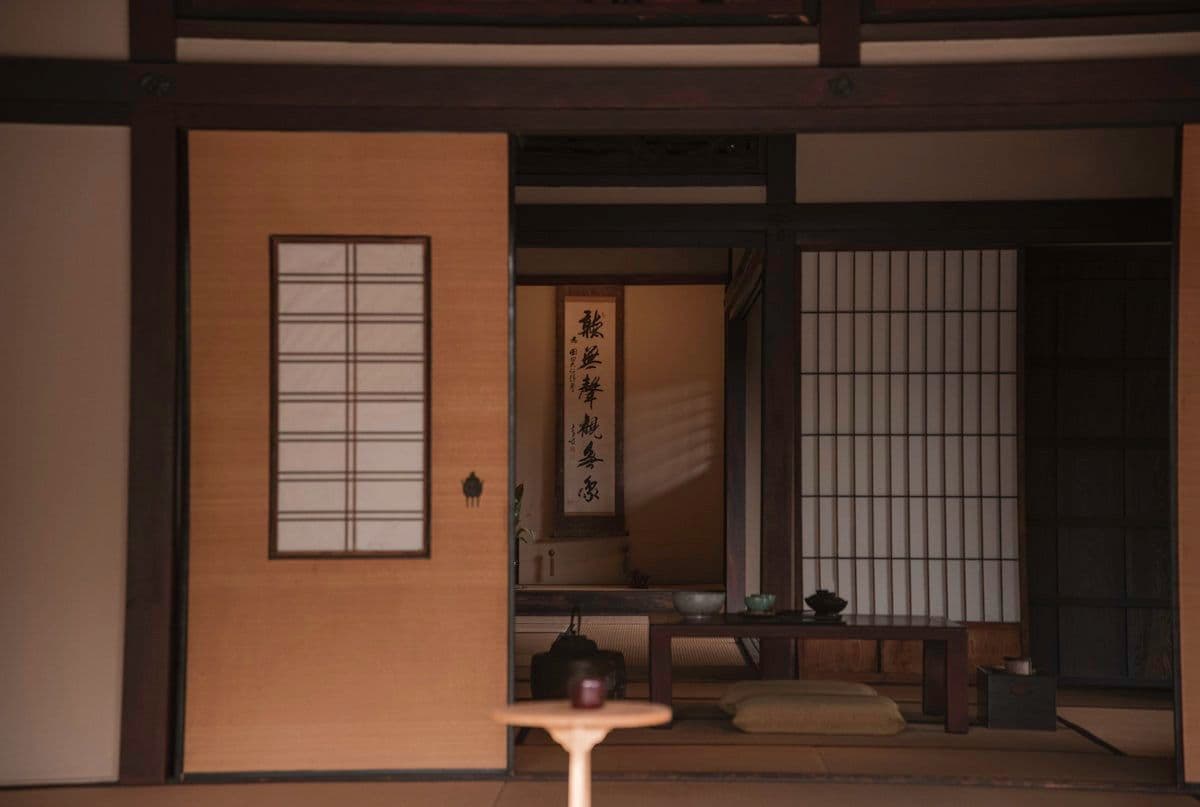
Higashiyama Onsen: The Hot Spring Town Behind Aizu's Samurai City
Just east of Aizu-Wakamatsu, Higashiyama Onsen has gathered travelers along a wooded river gorge for more than a thousand years. It remains the most cultured base for exploring Aizu's samurai history.
Experience
Festivals
Fire, drum, and 1,000 years of practice
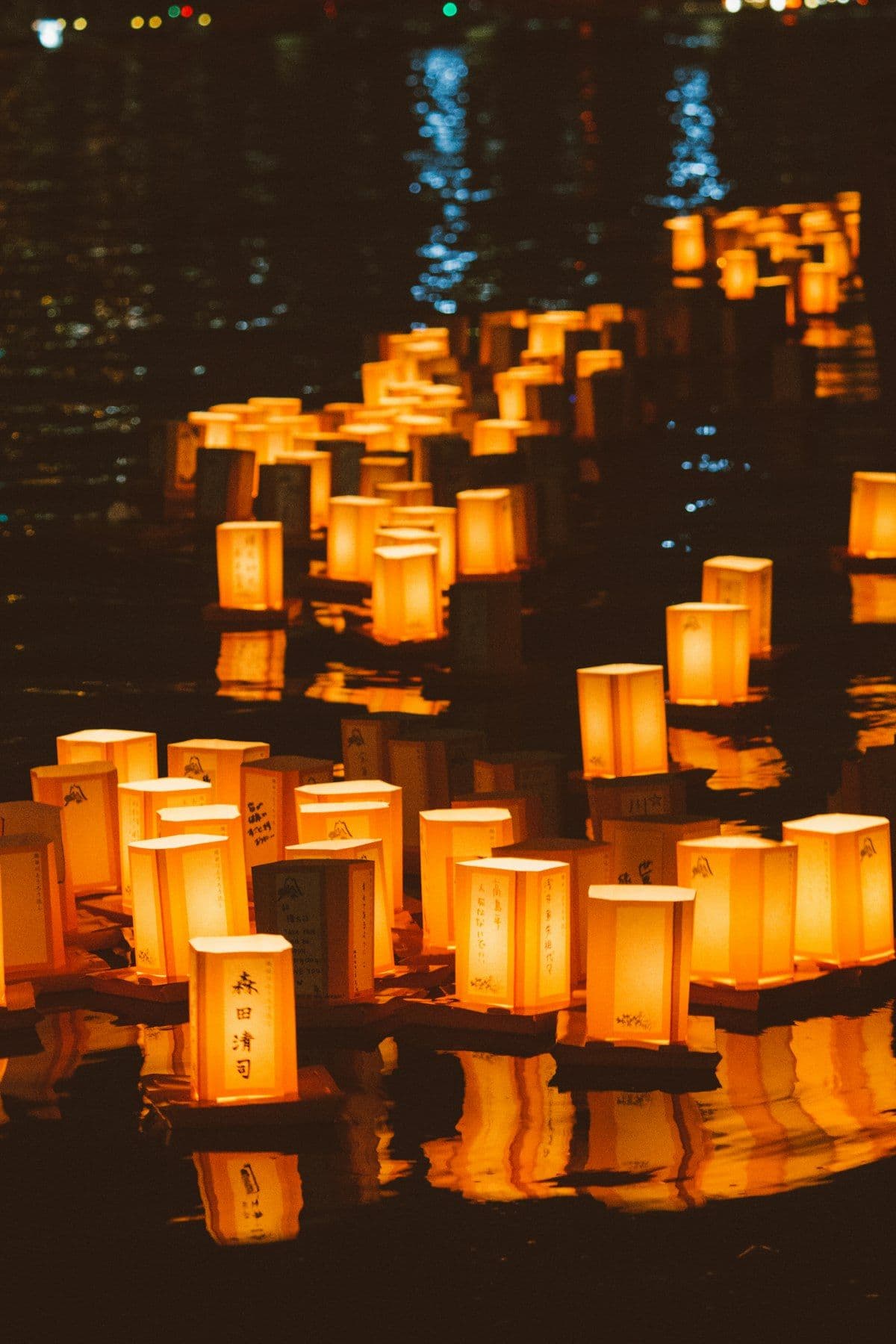
Tohoku's festivals are not performances for tourists — they are living obligations, passed from generation to generation. The Nebuta floats in Aomori take a full year to build and last one week. The Namahage demons of Oga Peninsula have knocked on farmhouse doors every New Year's Eve for centuries. To witness these is to understand that Japanese culture is not preserved here — it is practiced.
- Nebuta Festival (Aomori, August) — illuminated giants parade through the night
- Tanabata (Sendai, August) — the world's largest star festival
- Namahage (Oga, December 31) — ancient demon ritual in private homes
- Kanto Festival (Akita, August) — balancing 50 lanterns on a single pole
 summer
Festival· June 27, 2026
Yamagata Hanagasa Festival: The Dance of the Flower-Hats
Each August, thousands of dancers fill the heart of Yamagata city for the Hanagasa festival, twirling flower-hats crowned with the red safflower that built the region's fortunes. This is the story behind the dance, the blossom, and Tohoku's great summer.
 summer
Festival· June 26, 2026
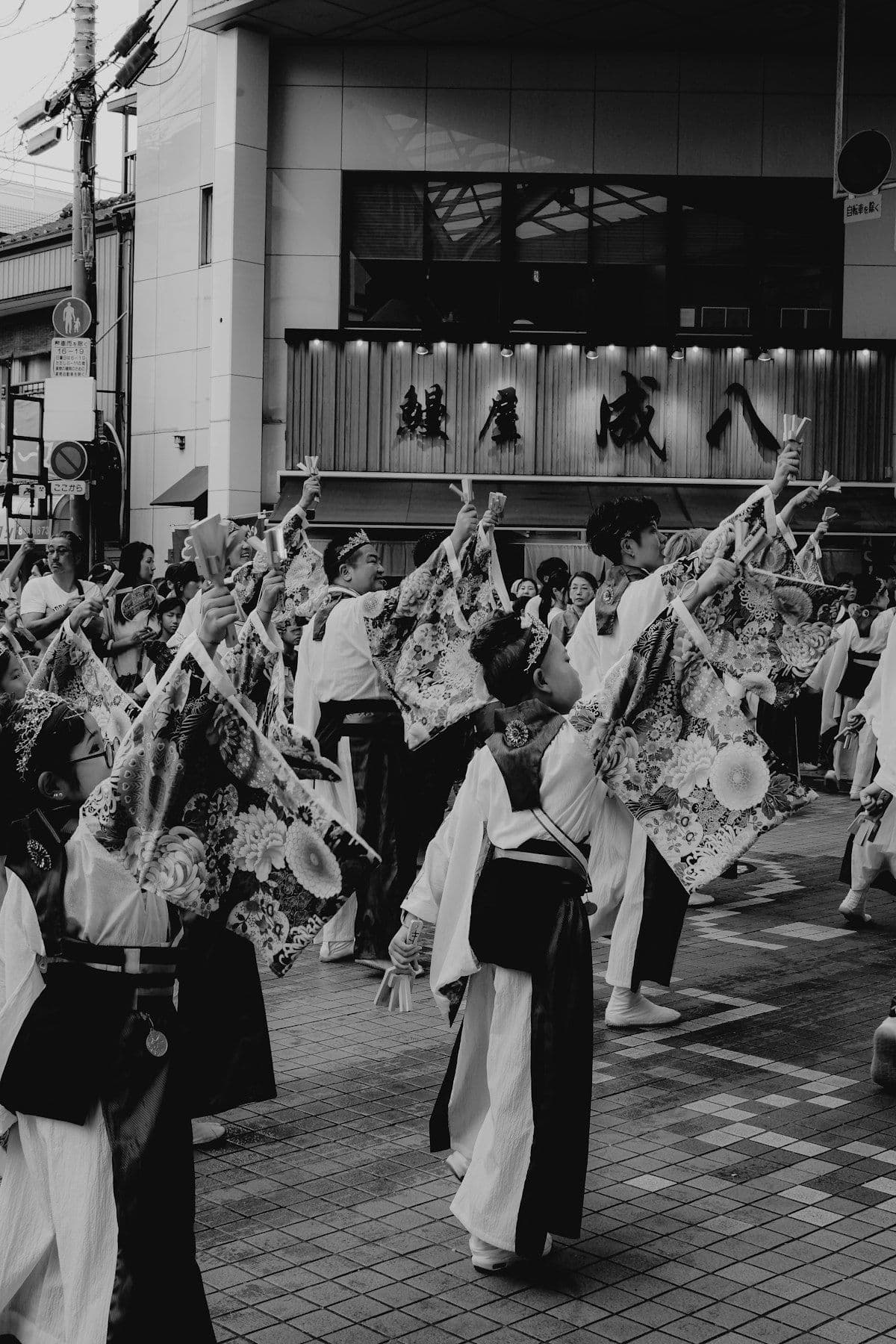
Morioka Sansa Odori: The World's Largest Taiko Drum Parade
Each August, Morioka turns its main avenue over to thousands of drummers. The Sansa Odori holds a Guinness World Record for the most taiko drums played at once, but its real subject is a city dancing for itself.
Experience
Craft & Artisan
Objects made to outlast their makers
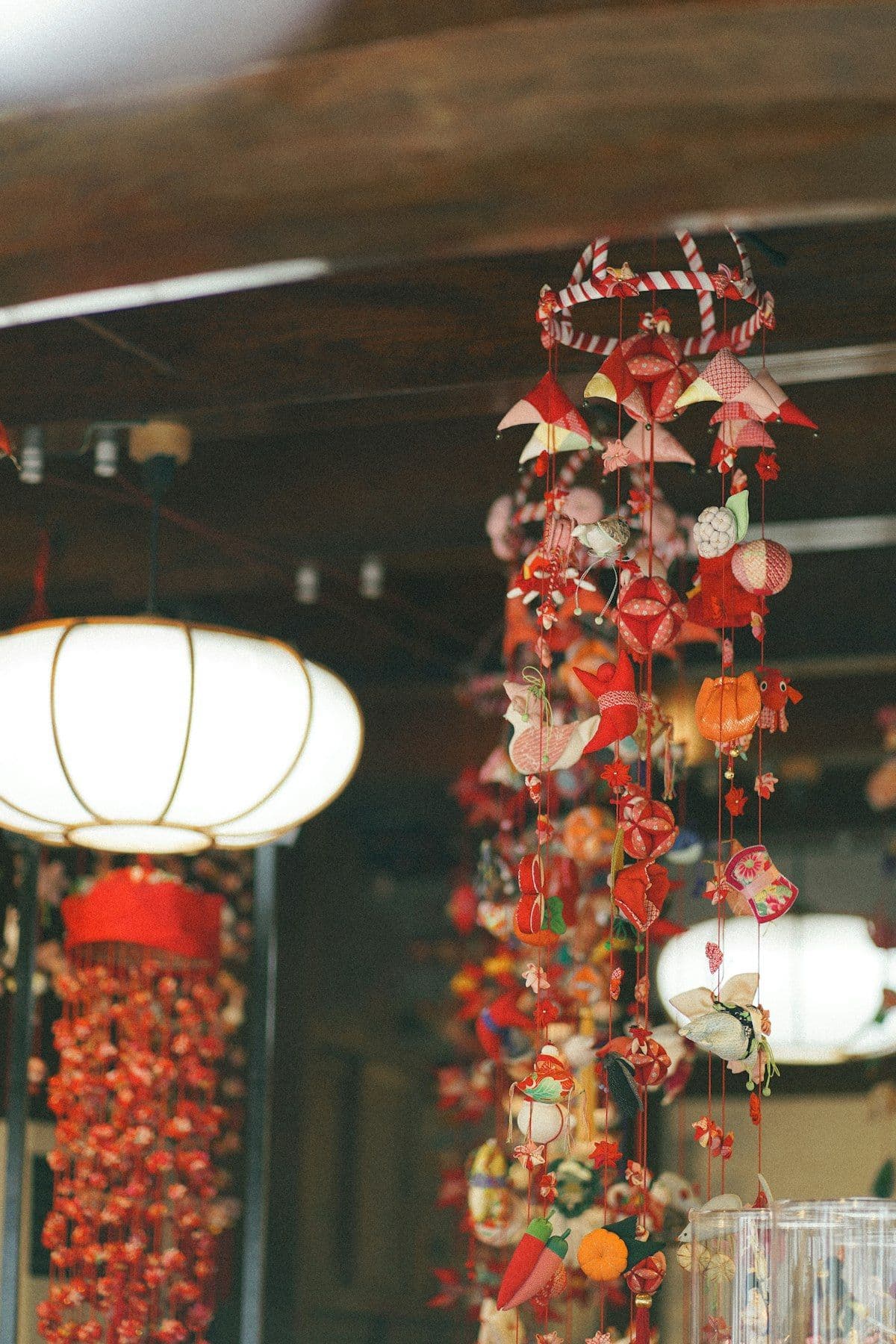
Tohoku has been producing exceptional craft for over a thousand years — not as a tourist industry, but because the materials demanded it. The iron of Morioka became Nambu tetsuware. The lacquer forests of Iwate became Joboji-nuri. The silk of Yonezawa clothed feudal lords. Many of these traditions survive in the hands of a single family. Visiting their workshops is a privilege that money alone cannot buy — only timing and introduction.
- Nambu Ironwork (Morioka) — tetsubin kettles cast by third-generation masters
- Kokeshi Doll Carving (Naruko) — each region has its own distinct style
- Tsugaru Lacquerware (Hirosaki) — five-layer lacquer technique unique to Aomori
- Sendai Tansu (Sendai) — iron-fitted chests built for a lifetime and beyond
 all
allCraft & Artisan· June 30, 2026
Tendo: The Town That Carves Japan's Shogi Pieces
Nearly every shogi piece used in Japan is made in one small Yamagata city. The story of Tendo shogi runs from impoverished samurai to master carvers whose work appears in the nation's grandest title matches.
 all
allCraft & Artisan· June 30, 2026
Odate Magewappa: The Bentwood Craft of Akita's Cedar Country
In the cedar country of northern Akita, artisans bend thin strips of straight-grained wood into ovals and circles, stitch them with cherry bark, and produce the luminous bentwood ware known as magewappa. This is the story of a craft that survives on scent, lightness, and the quiet intelligence of wood.
Experience
Food & Sake
The taste of cold, clean water
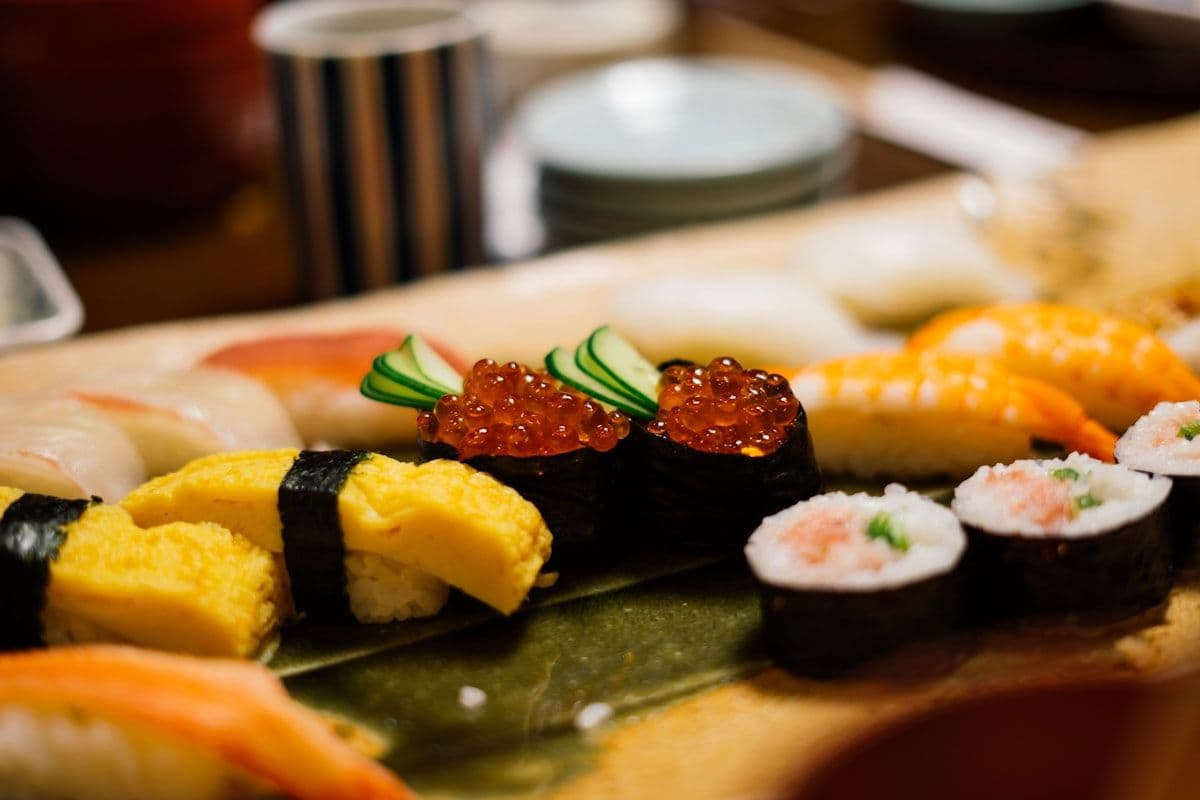
Tohoku's food culture is built on two things: patience and cold. The region's rice — grown in some of Japan's most fertile plains — is widely considered the best in the country. Its sake, brewed in winter with snowmelt water, wins national competitions quietly and consistently. A meal here might include wanko soba served at speed by a woman in kimono, or a single bowl of gyutan (beef tongue) that has been perfected over seventy years.
- Sake breweries (Nishiki, Ichinokura, Urakasumi) — open for winter tastings
- Wanko Soba (Morioka) — the most theatrical meal in Japan
- Gyutan (Sendai) — the original, slow-grilled beef tongue
- Kiritanpo (Akita) — skewered rice cakes in a hot pot older than the prefecture
 all
allFood & Sake· June 29, 2026
Zunda: Sendai's Bright Green Edamame Sweet
Zunda is the bright green soybean sweet that defines Sendai's table. From traditional zunda-mochi to the cult shake at Sendai Station, here is how a humble paste of mashed edamame became Miyagi's most beloved flavor.
 autumn
Food & Sake· June 28, 2026
Aomori Apples: Orchards, Cider, and the Fruit That Built a Prefecture
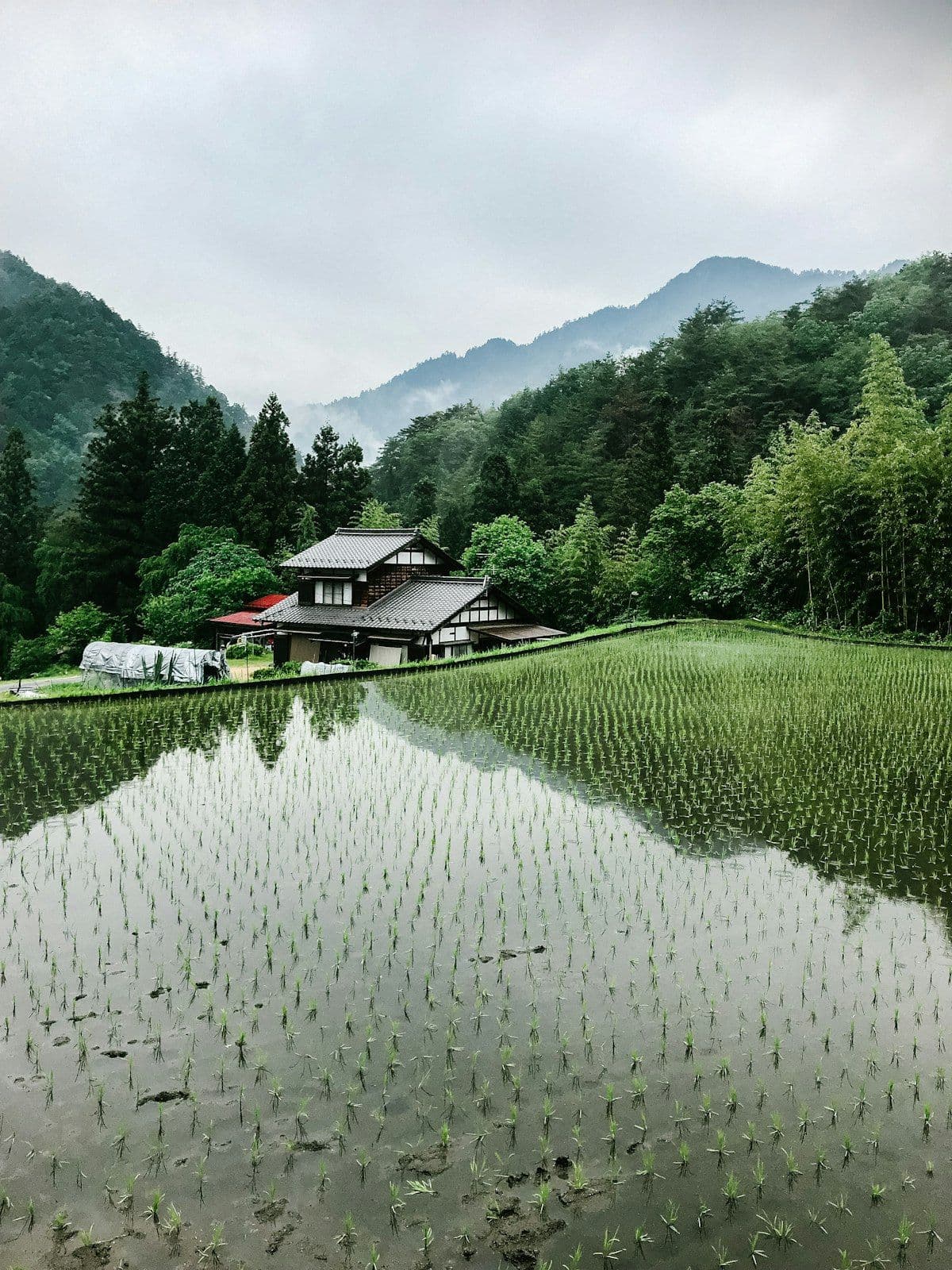
Aomori apples account for more than half of Japan's harvest, and the orchards around Hirosaki tell the story of how a single fruit reshaped a prefecture. A guide to the cultivars, the craft, and the autumn experiences that make the Tsugaru plain worth the trip.
Experience
Nature
Where silence has a texture
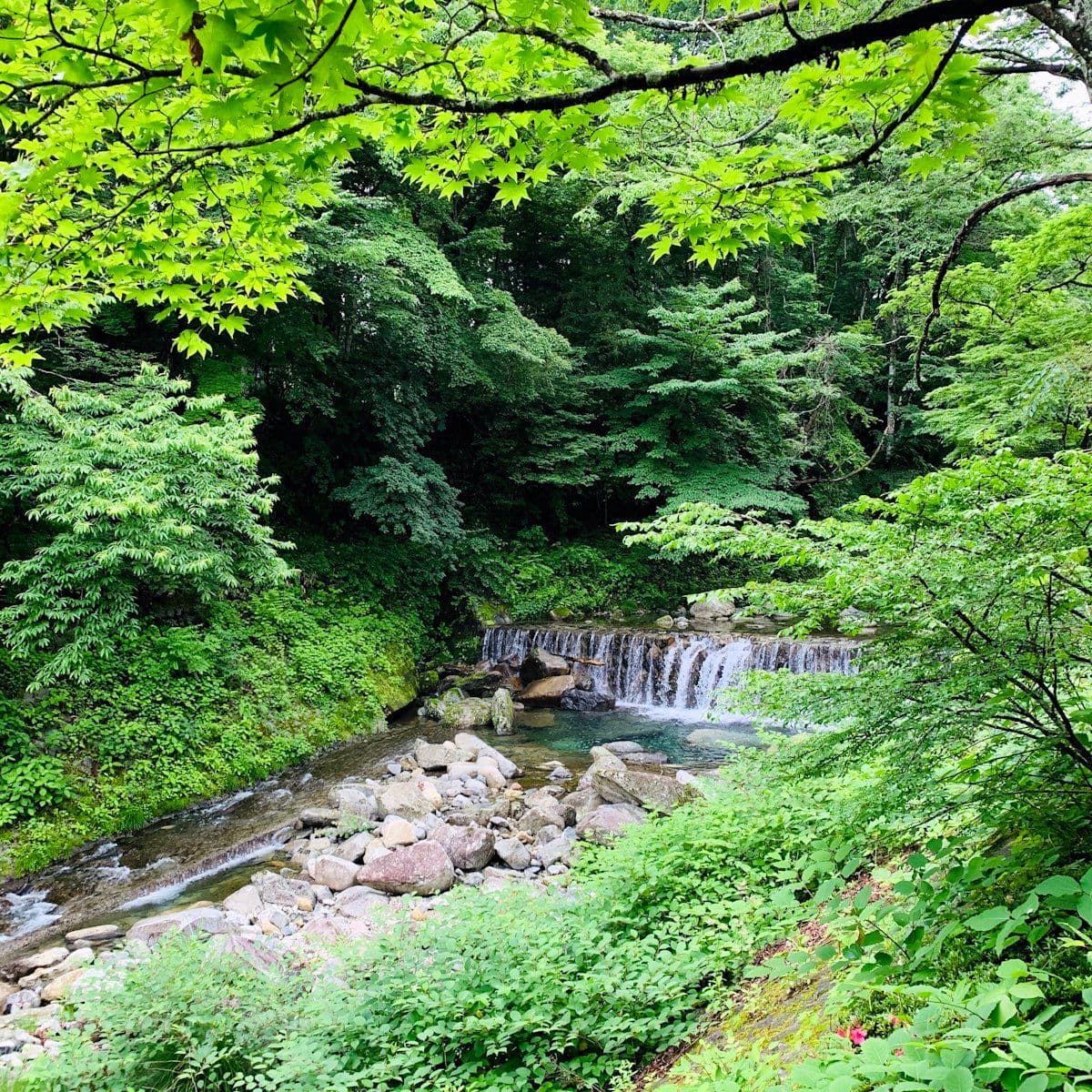
Tohoku contains some of Japan's last truly wild landscapes — places where the forest is thick enough to get lost in and the rivers cold enough to stop your breath. Oirase Gorge is twelve kilometres of continuous waterfall, moss, and beech canopy. Towada Lake was formed by a volcano and has no outlet river. The Sanriku coast, rebuilt after 2011, is now a place of extraordinary resilience and quiet beauty.
- Oirase Gorge (Aomori) — Japan's finest waterfall walk
- Towada Lake — a volcanic caldera lake with no outlet
- Zao Crater Lake — an acid-green eye in the mountains
- Shirakami-Sanchi — UNESCO World Heritage beech forest
 autumn
Nature· July 3, 2026
Mount Bandai and Urabandai: Fukushima's Volcano and Its Aftermath
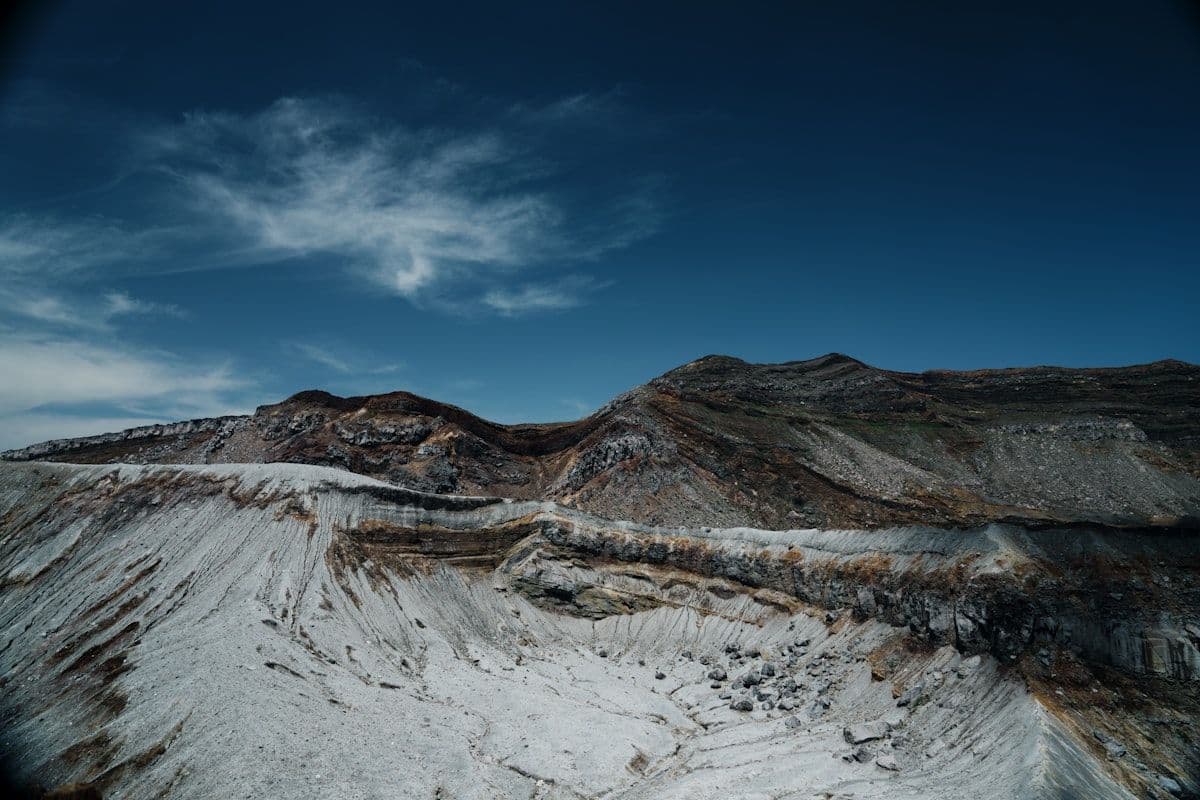
Mount Bandai is a living volcano with two faces. This guide covers Mt Bandai hiking, the 1888 eruption that built the Urabandai plateau, and the lakes, foliage, and access that make Fukushima's signature peak worth the climb.
 all
allNature· July 2, 2026
Ryusendo: The Dragon-Blue Underground Lakes of Iwate
Deep in the mountains of Iwaizumi lies one of Japan's three great limestone caves. Ryusendo is known for underground lakes of almost impossible clarity, where the water glows a vivid cobalt that locals call dragon-blue.
Ready to experience Tohoku?
Stay Connected
Before Everyone Else Discovers Tohoku
Seasonal guides, hidden experiences, and stories from the field — delivered quietly.