Itinerary— all
Tohoku by Rail: The Ultimate JR Pass Guide for First-Timers
May 23, 2026
Tohoku is easier to navigate by train than most visitors expect. Here's the complete guide to passes, routes, and what the rail network can and cannot do.
The first question most first-time Tohoku visitors ask is: do I need a car? The answer, for most itineraries, is no — but with qualifications. The Tohoku shinkansen network is excellent. Regional rail connections are functional. Some specific destinations (Nyuto Onsen for day visitors without a car, the Oga Peninsula, rural areas of Fukushima) are more accessible by car. This guide clarifies the picture.
The JR Pass Options
JR East Tohoku Area Pass (¥30,000 / 14 days)
Covers unlimited travel on JR East rail lines in Tohoku (including all shinkansen) plus most Tohoku regional lines. Also covers the shinkansen between Tokyo and the Tohoku border. The best value option for a 7–14 night Tohoku-focused trip. Purchase at major JR East stations or online before departure.
Nationwide JR Pass (¥50,000 / 7 days or ¥80,000 / 14 days — approximate)
Covers all JR lines across Japan including shinkansen (except Nozomi and Mizuho on the Tokaido/Sanyo lines). Worth considering if your trip includes significant time in Kyoto, Osaka, or Hiroshima in addition to Tohoku. Less cost-effective for a Tohoku-only trip.
No pass
For a short Tohoku trip (3–4 nights, single prefecture), purchasing individual tickets may be cheaper than a pass. Tokyo–Sendai return by shinkansen costs approximately ¥20,000. Calculate your planned routes before buying a pass.
The Key Routes
Itinerary
How Many Days Do You Need in Tohoku? (An Honest Answer by Trip Type)
The honest answer depends on what you want from Tohoku. Here's a guide by trip type: 3 nights, 5 nights, 7 nights, and 10+ nights.
Tohoku Shinkansen (Main Line)
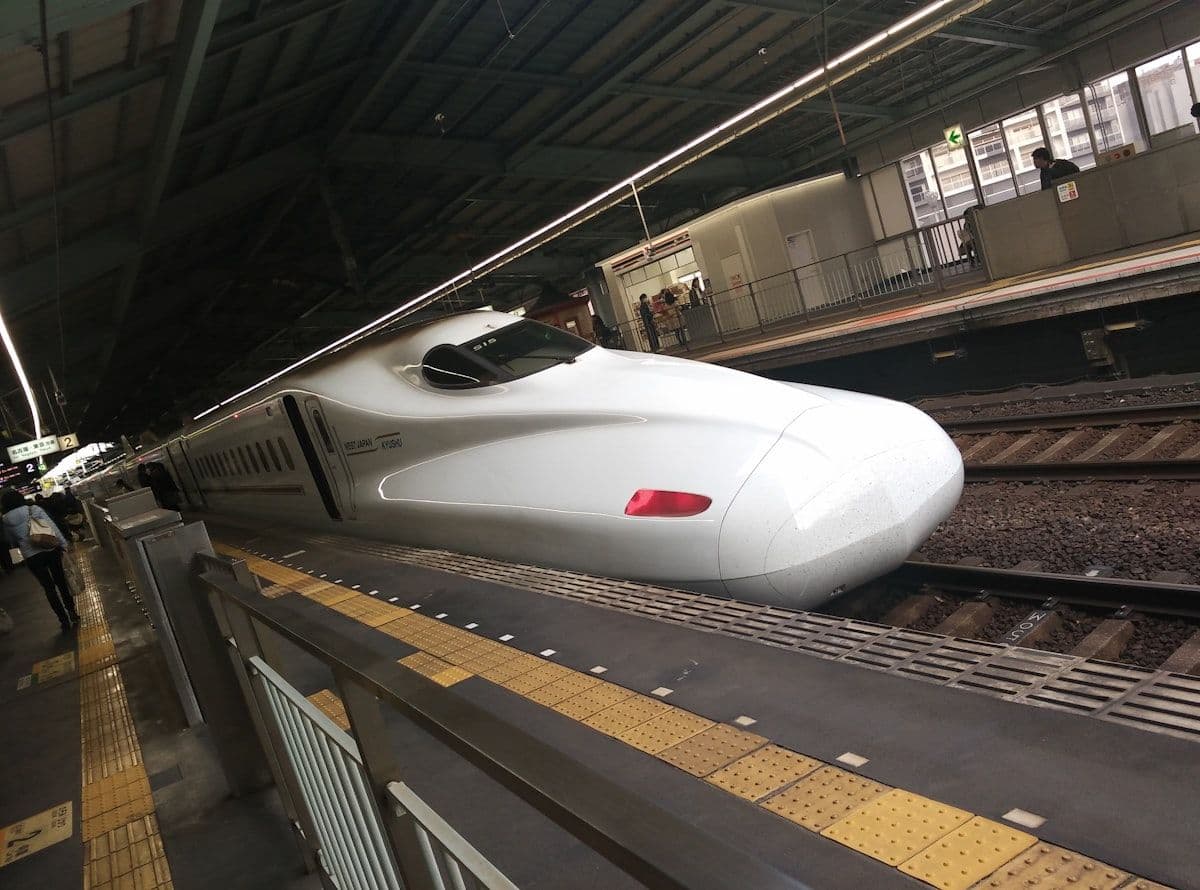
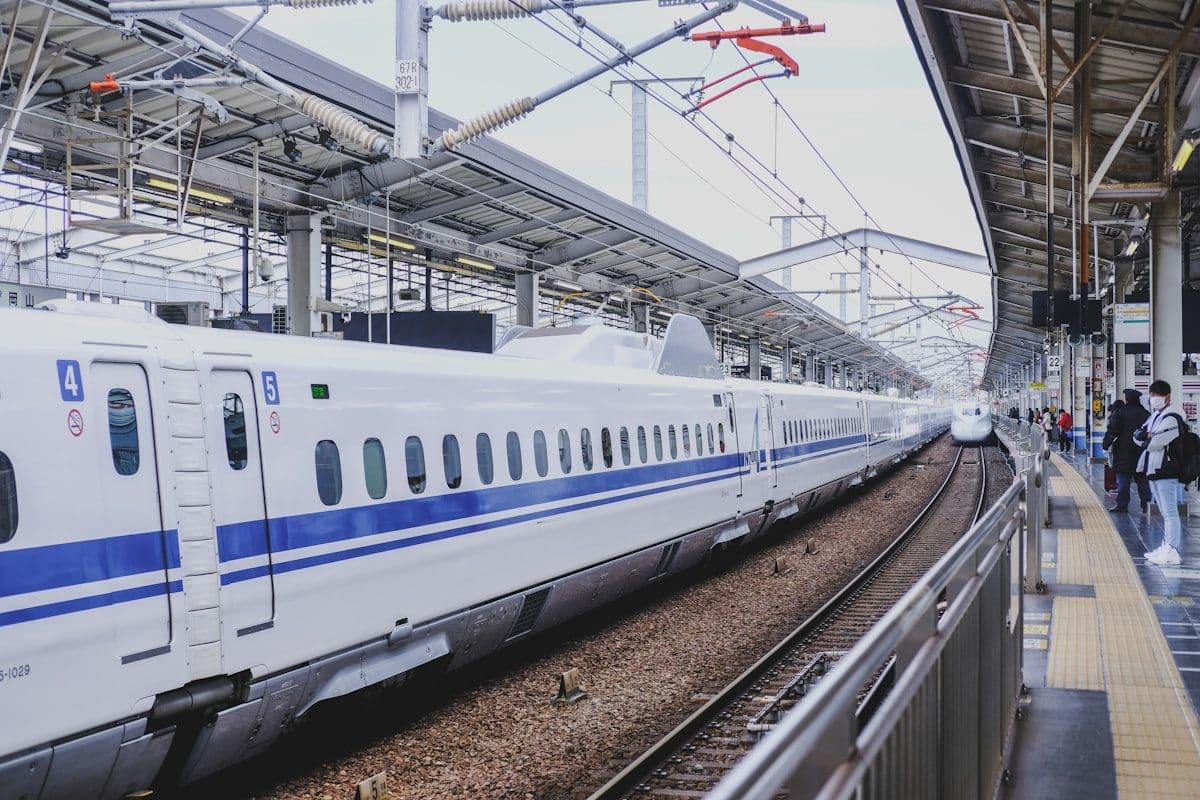
Tokyo → Sendai (1h 30m) → Morioka (2h 10m) → Shin-Aomori (3h 20m). The fastest trains (Hayabusa) run directly. Slower trains (Yamabiko, Nasuno) stop at more stations. All are covered by JR passes.
Akita Shinkansen (Komachi Line)
Branches from the main Tohoku Shinkansen at Morioka. Tokyo → Tazawako (2h 40m) → Kakunodate (2h 55m) → Akita (3h 40m). The Komachi runs through the Ou mountains via a scenic narrow valley. The train narrows at the branch point — it is a regular-width train that runs on standard-width tracks.
Yamagata Shinkansen (Tsubasa Line)
Branches from the Tohoku Shinkansen at Fukushima. Tokyo → Yamagata (2h 30m) → Shinjo (3h 10m). Access to Oishida (for Ginzan Onsen bus) and Tsuruoka (for Dewa Sanzan). The Tsubasa uses a different track gauge to the main shinkansen lines and runs more slowly as a result.
Regional Lines
The Rikuu East Line connects Furukawa (on the main Tohoku line near Sendai) to Shinjo in Yamagata, passing through Naruko Onsen. The Ou Main Line runs the full north-south spine from Fukushima to Aomori through the mountains. Both are covered by JR East area passes and offer views of agricultural Tohoku unavailable from the shinkansen.
What Rail Cannot Reach
Nyuto Onsen: accessible by bus from Tazawako station (40 minutes). The bus is infrequent outside peak season; a taxi from the station costs approximately ¥5,000.
Oga Peninsula: no rail access. Bus from Akita city (1 hour) or rental car.
Urabandai plateau (Goshikinuma): bus from Bandai-Kogen bus terminal, which is accessible from Inawashiro station on the Banetsu West Line.
Shirakami-Sanchi: the Gono Line runs along the coast to Juniko station, from where a shuttle bus accesses the forest trails. The Gono Line is covered by JR East passes.
Reserved Seats
Shinkansen seats: most JR Pass holders can reserve seats at no additional cost at any JR ticket window. Reservations are strongly recommended for: holiday weekends, August festival season (book immediately upon arrival in Japan), Autumn foliage peak weeks in October.
Unreserved cars: all shinkansen have unreserved cars (jiyuseki) that are available on a first-come basis. Adequate for off-peak travel but risky during Golden Week, Obon, and the August festival weeks.
Practical Tips
IC cards: Suica or Pasmo cards work on all urban rail and bus systems in Sendai, Aomori, and most major Tohoku cities. They do not work on shinkansen. Add ¥5,000 to an IC card at any ticket machine — it removes the need for individual ticket purchases on local rail.
Schedule apps: the Jorudan (Japan Transit Planner) app handles Tohoku transit reliably. Google Maps works for most routes. For rural bus connections in Aomori and Akita, check prefectural bus operator websites directly — these often have seasonal schedule changes not reflected in apps.