Itinerary— all
Tohoku vs Kansai: Two Very Different Versions of Japan
July 7, 2026
In the Tohoku vs Kansai debate, the choice is really between two ideas of Japan: one polished and historic, one quiet and wild. A fair, opinionated guide to which deserves your days.
There are two obvious answers to the question of where to go after Tokyo. One of them is almost always given. The other is almost never considered.
The default is Kansai. Kyoto, Osaka, Nara, Kobe, Himeji: the cultural and historical heartland of the country, an easy bullet-train hop west, and the place most first-time itineraries treat as the inevitable second act. The road less taken runs the other way, north, into Tohoku, the rural six-prefecture expanse that most visitors fly over without a thought. The Tohoku vs Kansai question is not really about two regions. It is about two entirely different versions of Japan, and which one is worth your limited, irreplaceable days.
This is not a contest with a single winner. Kansai is extraordinary, and pretending otherwise would be dishonest. But the regions reward different travelers in different ways, and the honest comparison is more interesting than the easy one.
Two Japans, Framed
Kansai is Japan's memory. For more than a thousand years, before Tokyo was anything but marshland, the imperial court, the great monasteries, and the merchant culture that shaped the national palate were all centered here. Kyoto alone holds seventeen UNESCO World Heritage sites. Nara was the capital before that. The result is a density of history and refinement found almost nowhere else on earth, packed into a compact, well-connected triangle you can cross in under an hour by train.
Tohoku is Japan's space. It is the north of the main island, Honshu, a band of mountains, rice valleys, and rugged coastline that was for centuries considered the frontier, the deep and slightly forbidding back country. It remains thinly populated and lightly traveled. Where Kansai concentrates, Tohoku spreads out. Where Kansai polishes, Tohoku leaves things as they are. The appeal is not refinement but room, weather, silence, and a sense that you have arrived somewhere not arranged for your benefit.
Hold those two images, the memory and the space, and most of the practical differences fall into place.
History, Culture, and the Weight of the Past
On pure historical density, this is not a close call. Kansai wins, and wins decisively.
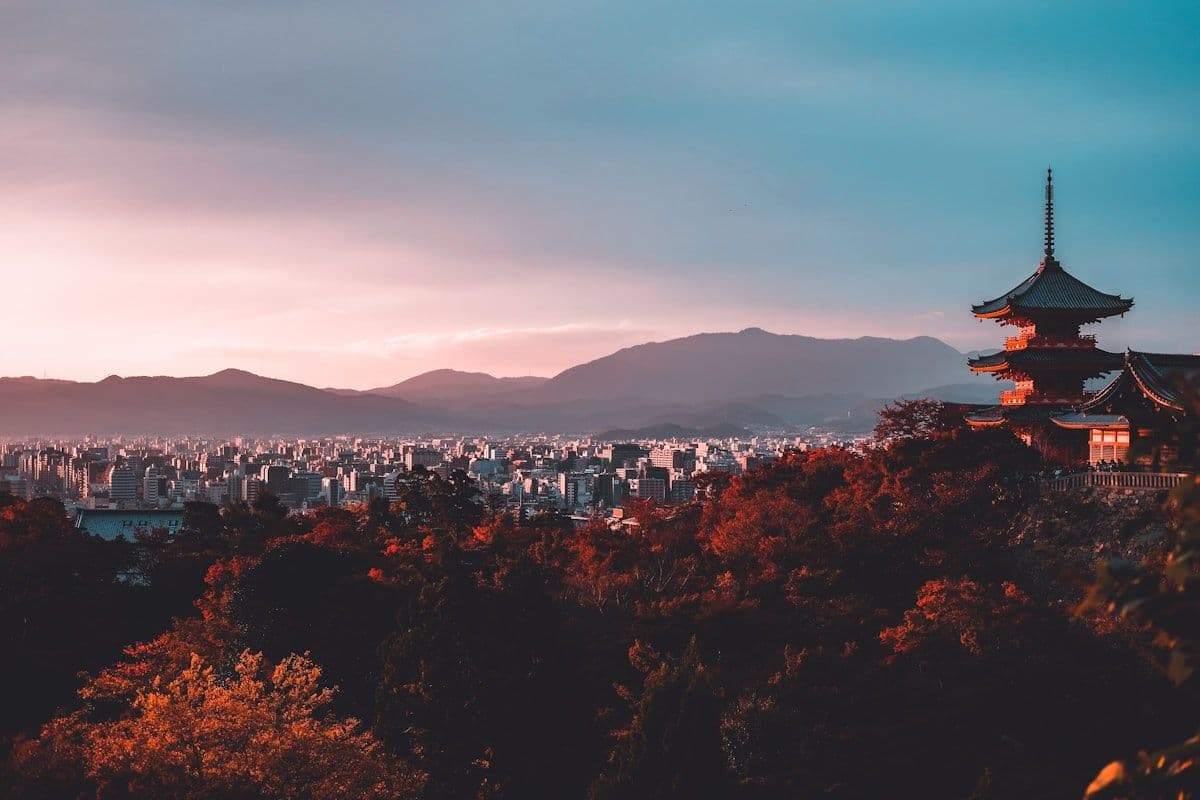
Nowhere in Japan matches what Kyoto offers: Kiyomizu-dera braced on its wooden stilts above the city, the gold-leafed Kinkaku-ji, the corridor of vermilion gates climbing the hill at Fushimi Inari, the raked gravel of Ryoan-ji. Nara's Todai-ji houses a bronze Buddha so large the hall around it is itself a wonder. Himeji Castle is the finest surviving feudal fortress in the country. To stand among these is to stand inside the textbook version of Japan, and it earns its reputation completely.
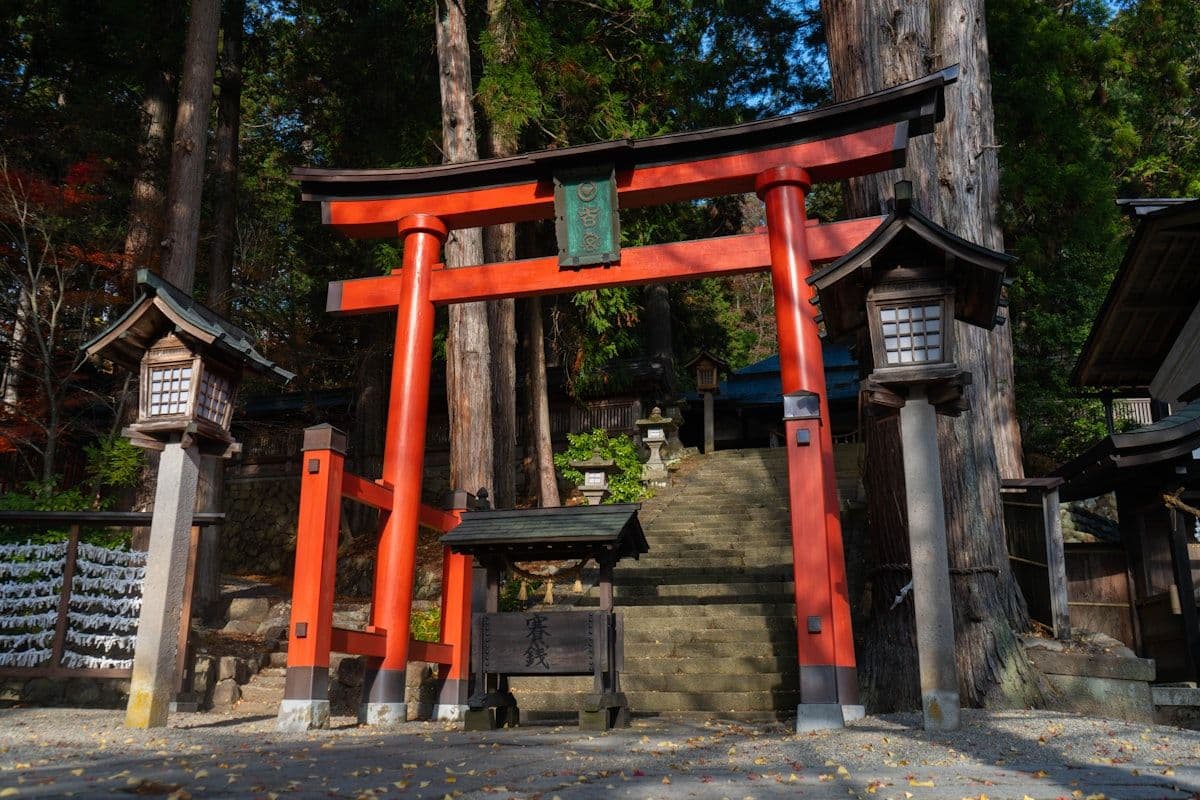
Tohoku's cultural inheritance is real but quieter, and it asks more of you. Hiraizumi in Iwate, with the gold-clad Konjiki-do at Chuson-ji, was once a northern capital rich enough to rival the south, and it too carries a World Heritage listing. The temple complex at Yamadera climbs a mountainside that drew the poet Basho to write some of his most famous lines. The point is not that Tohoku lacks history. It is that the history is dispersed across the landscape rather than concentrated in a single dazzling district, and you tend to encounter it without a crowd between you and it.
The verdict on culture
For sheer, unmissable historical wealth, Kansai is unmatched and should not be skipped by anyone seeing it for the first time. Tohoku offers fewer monuments but a more intimate relationship with the ones it has, and a living folk culture, in its festivals and crafts, that feels less curated.
Food: Two Different Kinds of Pleasure
Kansai is one of the great eating regions of the world, and Osaka is its loud, joyful capital. The city's unofficial creed, kuidaore, roughly means to eat yourself into ruin, and it lives up to it: takoyaki and okonomiyaki on the streets of Dotonbori, kushikatsu, and an enormous spread of restaurants at every price. Kyoto answers with the opposite register, the precise, seasonal artistry of kaiseki and the refined vegetarian temple cuisine, shojin ryori. Kobe lends its name to some of the most famous beef on earth. For range, polish, and sheer accessibility, Kansai's table is hard to beat.
Itinerary
Tohoku vs Kyoto: Which Is the Real Japan?
Every year, millions of travellers visit Kyoto and leave convinced they have seen Japan. They have seen a Japan — a beautiful, preserved, occasionally overwhelming one. Tohoku offers a different answer to the same question, and it is one that fewer people have heard.
Tohoku's food is regional, seasonal, and tied closely to the land that produces it. This is Japan's rice bowl, and its sake is among the country's most respected, brewed in the long cold winters. Morioka has its cold reimen and the theatrical wanko soba. The Sanriku coast yields superb seafood, and the orchards of Yamagata and Fukushima produce fruit, especially cherries and peaches, that Japanese travelers cross the country to buy. Akita's kiritanpo, pounded rice grilled and dropped into hot pot, is winter comfort food at its best.
The verdict on food
For variety and the thrill of a great food city, Kansai, and Osaka in particular, takes it. For ingredient-driven, seasonal cooking eaten where it is grown and caught, and for sake at the source, Tohoku is quietly superb. Different pleasures rather than better or worse.
Nature, Scenery, and the Onsen Question
Here the balance shifts, and shifts hard, toward the north.
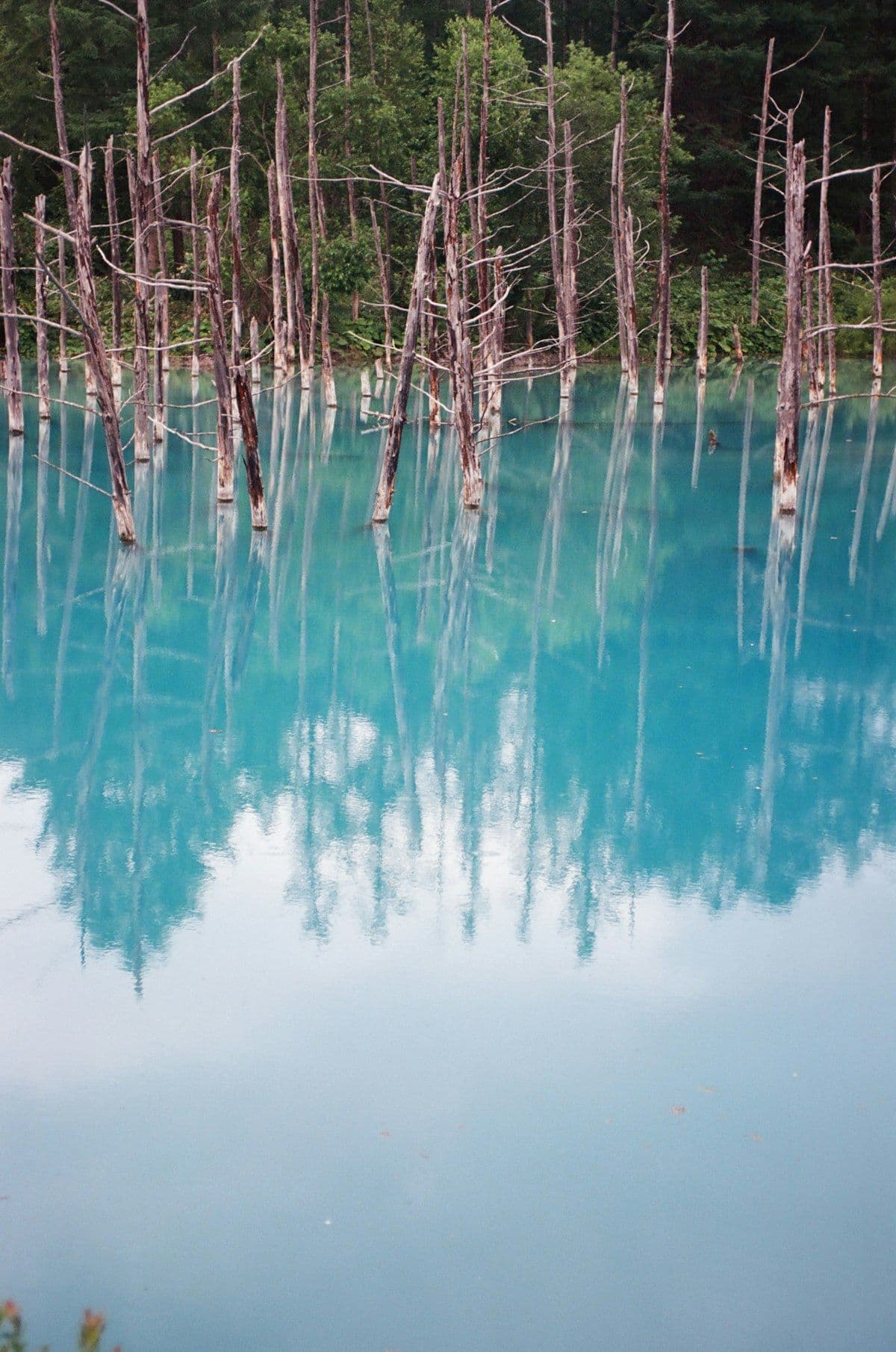
Kansai is not without natural beauty, the cedar mountains of Koyasan, the gorges of the Kii Peninsula, but it is fundamentally an urban and historical destination. Tohoku is the reverse. Its scenery is the main event: the deep blue caldera of Lake Towada, the Oirase gorge running clear over mossy rock, the snow-walled drama of the Hachimantai plateau, the rice terraces and the long, empty coast. The seasons arrive here with a force the more temperate south rarely matches. Autumn turns the mountains the full spectrum of red and gold; winter buries whole valleys, and the snow monsters of Mount Zao, fir trees frozen into white sculptures, have no equivalent in Kansai.
And then there are the onsen. Japan's hot springs are a national glory, but the finest of them, the ones that feel ancient and unimproved, cluster in the north. Nyuto Onsen in Akita, with its milky waters and thatched bathhouses, Ginzan Onsen in Yamagata glowing in the snow at dusk, the sulfurous mountain pools of Aomori: these are bathing experiences that Kansai, for all its strengths, simply cannot offer at the same level. For nature and for onsen, Tohoku is not merely competitive. It is the better region, and it is not particularly close.
Crowds, Ease, and the Cost of Convenience
The two regions diverge most sharply on the texture of the experience itself.
Kansai is easy. The transport is dense and frequent, English signage is everywhere, staff in the tourist districts are used to foreign visitors, and the practical friction of travel is low. That ease is a genuine virtue, especially for a first trip or for travelers short on time. But it comes at a price now widely discussed: crowds. Kyoto in particular has become a case study in overtourism, with its most famous sites shoulder to shoulder in peak season and local patience visibly thinning. The serene temple you came to see is often serene in photographs only.
Tohoku is the antidote to exactly this. You can stand at a major sight and have it largely to yourself. Trains run, but less often; English support is thinner once you leave the main hubs of Sendai and the shinkansen line; some of the best experiences require a rental car. This is real friction, and it is fair to call it a drawback. But it is also the source of the reward. The off-the-beaten-path feeling in Tohoku is not a marketing line. It is simply what the place is like.
Cost
Tohoku is generally the better value. Accommodation, including excellent onsen inns, tends to cost less than equivalent stays in Kyoto, and the absence of crowds means less competition for the best rooms and tables. Kansai is not expensive by global standards, but its popularity is increasingly reflected in its prices, particularly in central Kyoto. The trade-off is that reaching and moving around Tohoku, especially by the most comfortable means, can offset some of those savings.
Seasons: When Each Region Is at Its Best
Kansai is a year-round destination, at its most beautiful during the cherry blossoms of early April and the autumn foliage of November, which are also, predictably, its most crowded windows. Its summers are notoriously hot and humid, and its winters mild but grey.
Tohoku is more emphatically seasonal, and that is part of its character. Spring arrives weeks later than in the south, so the cherry blossoms at Hirosaki Castle bloom when Kyoto's are long gone, a genuine second chance at the season. Summer brings the great festivals: Aomori's Nebuta with its towering illuminated floats, Akita's Kanto balancing acts, Sendai's Tanabata. Autumn is arguably the finest in the country. Winter is severe and spectacular, the season of deep snow, frozen trees, and the very best onsen bathing. The region rewards travelers who come for a specific season rather than in spite of it.
Who Should Choose Which
The honest recommendations are not complicated.
Choose Kansai if this is your first trip to Japan, if temples and the imperial past are what you came for, if a great food city is high on the list, or if ease and a tight schedule matter most. It is the right answer for the right traveler, and there is no shame in taking the well-trodden path the first time, because that path leads to genuinely magnificent things.
Choose Tohoku if you have seen the headline sights before and want the country the brochures skip, if nature and onsen are why you travel, if living festival culture appeals more than another temple queue, or if you have simply had enough of crowds and want a version of Japan that still feels discovered rather than delivered. The editorial lean here is unembarrassed: for the repeat visitor and the traveler who values quiet, space, and season over convenience, Tohoku is the more rewarding choice.
Can You Do Both?
Yes, and the framing of the two as rivals can be misleading. They are not mutually exclusive.
The cleanest approach is to treat Tokyo as the hinge. From there, the shinkansen runs west to Kansai and north into Tohoku with comparable ease, so a longer trip can take in both: the historical density of Kyoto and Nara, then the open country and hot springs of the north, with Tokyo as the pivot between them. For a first visit of two weeks or more, this pairing arguably shows more of the real range of the country than doubling down on either region alone. The only real constraint is time. If you have a week, choose one and commit. If you have longer, let Kansai give you the Japan of the past and let Tohoku give you the one that still feels like a frontier.
Frequently Asked Questions
Is Tohoku worth visiting instead of Kansai for a first trip to Japan?
For most first-time visitors, Kansai is the safer choice, because it delivers the iconic temples, the imperial history, and the easy infrastructure that a first trip usually wants. Tohoku is better suited to repeat visitors, or to first-timers who specifically prioritize nature, onsen, and avoiding crowds over historical sightseeing and convenience. If it is your only trip and you want the postcard Japan, start with Kansai.
How do I get from Tokyo to Tohoku compared with getting to Kansai?
Both are reached by bullet train from Tokyo. The Tokaido Shinkansen reaches Kyoto in a little over two hours and Osaka shortly after. The Tohoku Shinkansen runs north to Sendai in around an hour and a half, with onward lines to Morioka, Akita, Aomori, and beyond. The difference is less in the headline cities than in what comes after: getting around Tohoku's rural areas often means less frequent trains or a rental car, while Kansai's core can be covered entirely on dense public transport.
Which region has better onsen, Tohoku or Kansai?
Tohoku, clearly. While Kansai has hot springs, Japan's most celebrated traditional onsen, the rustic, scenic, deeply atmospheric ones, are concentrated in the north. Places such as Nyuto Onsen in Akita and Ginzan Onsen in Yamagata are among the finest hot-spring experiences in the country, particularly in winter, and have no real equivalent in the Kansai region.
Can I combine Tohoku and Kansai in one trip?
Yes. Using Tokyo as the central hub, you can travel west to Kansai and north to Tohoku on the same trip, both within easy reach by shinkansen. For visitors with two weeks or more, combining the historical heartland of Kansai with the landscapes and hot springs of Tohoku offers a fuller picture of Japan than concentrating on either one. With only a week, it is usually better to choose a single region and explore it properly.