Itinerary— all
Tohoku vs Kyoto: Which Is the Real Japan?
May 5, 2026
Every year, millions of travellers visit Kyoto and leave convinced they have seen Japan. They have seen a Japan — a beautiful, preserved, occasionally overwhelming one. Tohoku offers a different answer to the same question, and it is one that fewer people have heard.
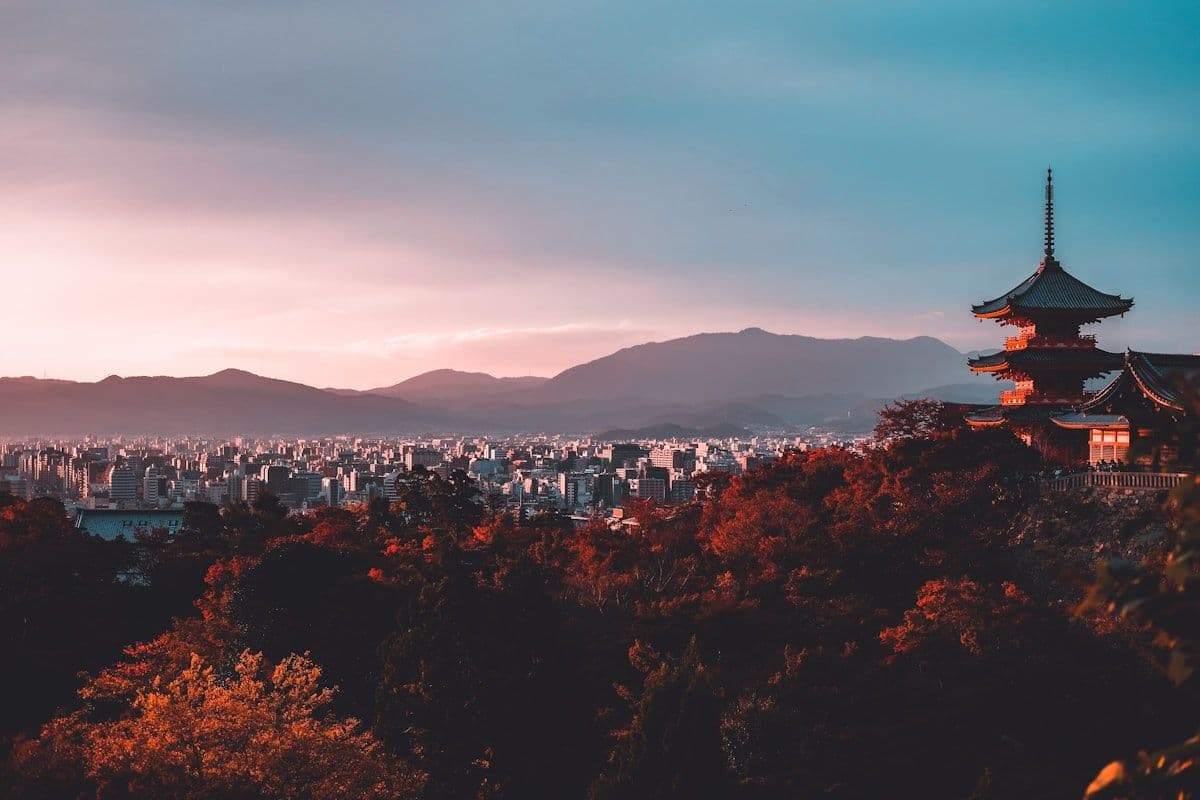
Let us be precise. Kyoto is extraordinary. Its temples are extraordinary. Its traditional culture — geisha, tea ceremony, temple gardens, machiya townhouses — is preserved at a level of quality that exists nowhere else. If you have never been to Japan, Kyoto is the correct first destination. But if you have been to Japan before. If you have stood in the Arashiyama bamboo grove and waited for a gap in the crowd for your photograph. If you have paid Nishiki Market prices and wondered whether this is really what Japan tastes like. Then you are ready for Tohoku.
The Crowd Question
Kyoto received 53 million visitors in 2023. Tohoku's six prefectures combined received approximately 20 million — spread across an area more than four times the size of Kyoto Prefecture. This arithmetic matters. At Hiraizumi's Konjikido — a UNESCO-listed golden hall of equivalent historical significance to Kyoto's Kinkakuji — you can stand in front of the altar on a Tuesday morning and hear the sound of your own breath. At Kinkakuji on the same Tuesday morning, you will be standing in a queue.
The Living Culture Question
Kyoto's traditional culture is, in significant ways, a performance. This is not a criticism — it is a fact of what happens when a city becomes primarily a tourist destination. The maiko who walks through Gion knows she will be photographed. The tea ceremony you attend has been designed for visitors. The craftsmen whose workshops you tour have adapted their presentations for an international audience.
In Tohoku, the ironworker in Morioka is making teapots because that is his work — not because visitors might be watching. The sake brewer in Akita is making sake because the conditions in his kura this winter are exactly right and the new rice harvest was exceptional. The dancer at Nebuta Matsuri is running through the streets because her family has run through those streets every August for four generations. The culture is not performed for you. You are simply permitted to witness it.
The Price Question
A night at a well-regarded ryokan in Kyoto during high season costs, on average, more than a comparable night at an equivalent property in Ginzan Onsen or Nyuto Onsen. A kaiseki dinner in Kyoto's Gion district commands prices that reflect location as much as quality. In Tohoku, the same quality of accommodation and food — the same premium local ingredients, the same careful preparation, the same attentive service — is available at prices that reflect the actual cost of production, not the premium of being in Japan's most famous destination.
The Verdict
Kyoto is the Japan that Japan shows the world. Tohoku is the Japan that Japan keeps for itself. Both are real. Both are worth your time. But if you have already seen what is shown, and you are curious about what is kept — Tohoku is where you go next. Come before the rest of the world figures this out. The window, based on current trajectory, is perhaps another five to ten years. After that, someone will have written an article about it in a major travel magazine, and the queues will have followed.