Itinerary— all
Japan Less Crowded Than Kyoto: Where to Go Instead
June 5, 2026
Looking for a Japan less crowded than Kyoto? These Tohoku alternatives offer the temples, gardens, old towns, and hot springs travellers go to Kyoto for — without the crowds.
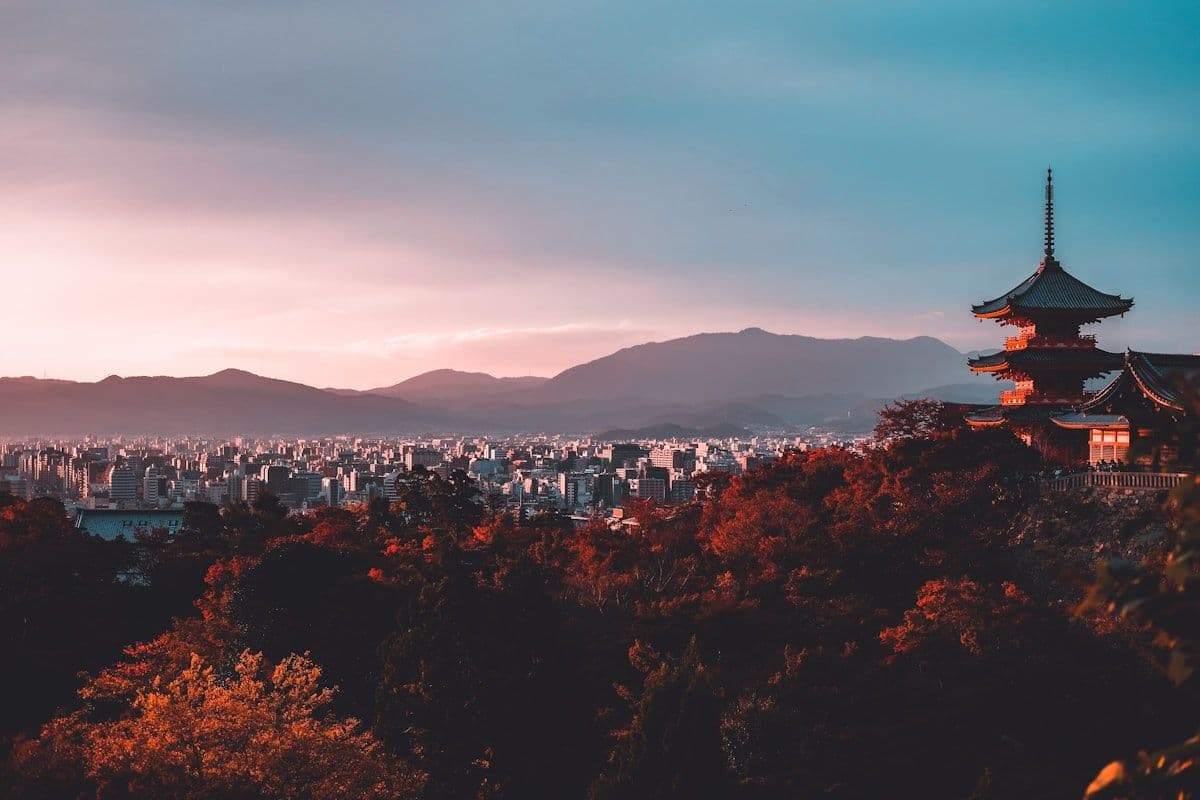
The complaint about Kyoto is no longer a secret. The temples are magnificent and the crowds are crushing, and the second increasingly overwhelms the first. Travellers arrive for serenity and find selfie sticks. The good news is that the things people actually want from Kyoto — old wooden towns, temple gardens, traditional craft, refined food, hot springs — exist elsewhere in Japan, with a fraction of the visitors.
Most of those alternatives are in Tohoku, the northern region that the crowds have not yet found. Here is where to go for a Japan less crowded than Kyoto, matched to what draws people to Kyoto in the first place.
For Old Wooden Townscapes: Kakunodate
Kyoto's preserved streets are its great draw and its great crowd magnet. Kakunodate, in Akita, offers an equivalent without the crush: a genuine samurai district of black-walled estates and weeping cherry trees, laid out in 1620 and never rebuilt. Descendants of samurai families still live in some of the houses. Outside cherry-blossom season the avenue is quiet enough to hear your own footsteps — an experience Kyoto can no longer reliably offer anywhere central.
For Temples and Sacred Mountains: Yamadera and Dewa Sanzan
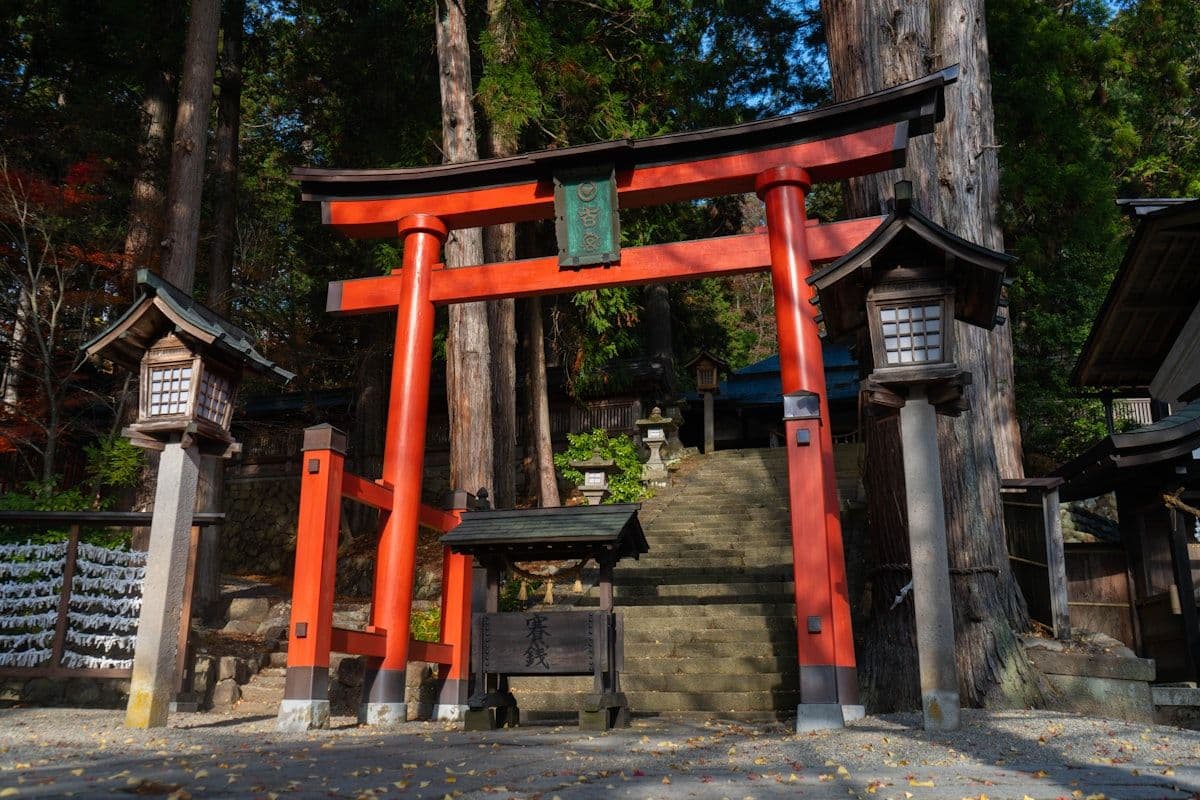
Kyoto draws pilgrims to its temples; Tohoku offers the experience with the spirituality intact. Yamadera, in Yamagata, is a mountain temple of a thousand stone steps climbing through cedar forest to halls perched on cliffs — the place that inspired one of Basho's most famous poems. Dewa Sanzan, the three sacred mountains of the mountain-ascetic tradition, offers a multi-day pilgrimage route walked by white-clad yamabushi to this day. Neither has anything resembling Kyoto's congestion.
Itinerary
Kakunodate: Walking Tohoku's Best-Preserved Samurai District
The Kakunodate samurai district is the most intact street of feudal residences in Tohoku — black-walled estates, weeping cherry trees, and a 300-year-old cherry-bark craft. Here is how to visit, and when.
For Hot Springs and Ryokan: Nyuto and Ginzan
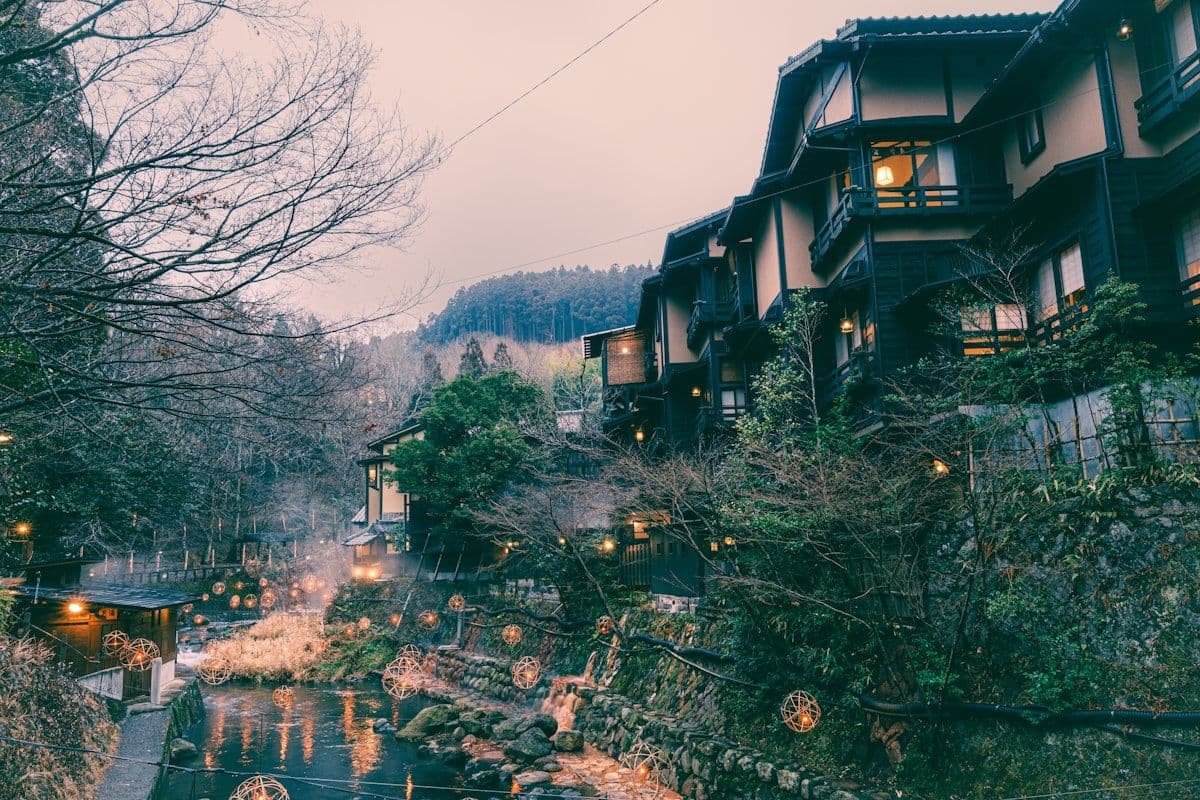
Many travellers pair Kyoto with a hot-spring excursion to Hakone or Kinosaki, both now heavily visited. Tohoku's onsen towns are better and emptier. Nyuto Onsen in Akita is a cluster of seven mountain ryokan with milky, mineral-rich baths fed straight from the spring. Ginzan Onsen in Yamagata is the most beautiful hot-spring village in Japan, a row of wooden Taisho-era inns along a river gorge, at its most magical under lantern light and falling snow. These are the ryokan experiences Kyoto travellers imagine, delivered without the queue.
For Refined Food and Craft: Sendai, Morioka, and the Craft Towns
Kyoto's reputation for refined cuisine and traditional craft has equivalents across Tohoku. Sendai and Morioka both have distinctive regional food cultures; the sake of Yamagata and Akita rivals anything in the country; and the craft traditions — Nanbu ironware, kabazaiku cherry-bark work, Aizu lacquer, kokeshi dolls — are living trades rather than museum pieces. The difference is that you can watch the artisan work and buy directly, without a crowd between you and the bench.
How to Plan the Less-Crowded Trip
The simplest substitution is to treat Tohoku as the cultural leg of a Japan trip in place of Kyoto, keeping Tokyo as the entry point. From Tokyo, the Tohoku Shinkansen reaches Sendai in 90 minutes and the heart of the region within two to three hours — comparable to the time many travellers spend reaching Kyoto, for a far quieter result. A week in Tohoku covers towns, temples, hot springs, and craft with room to breathe.
The other approach is timing: if Kyoto is non-negotiable, visiting Tohoku in the same trip provides the relief valve — the place to recover the sense of discovery that the famous city has lost. Either way, the principle is the same. The Japan that Kyoto promises still exists. It has simply moved north, where fewer people are looking.
Questions Travelers Ask About Less-Crowded Alternatives to Kyoto
Where can I go in Japan that is less crowded than Kyoto?
Tohoku, the northern region of Honshu, offers the temples, old towns, craft, and hot springs travellers seek in Kyoto with a fraction of the crowds. Kakunodate, Yamadera, Nyuto Onsen, and Ginzan Onsen are standout alternatives.
Is there an alternative to Kyoto for temples and traditional culture?
Yes. Yamadera and the Dewa Sanzan pilgrimage in Yamagata offer mountain temples and living spiritual traditions, while Kakunodate preserves a genuine samurai district. All are far quieter than Kyoto's major sites.
Can I replace Kyoto with Tohoku on a Japan trip?
Easily. From Tokyo, the Tohoku Shinkansen reaches the heart of the region in two to three hours, and a week there covers old towns, temples, hot springs, and craft with far more space than Kyoto can now offer.