Itinerary— summer
Tohoku in Summer: The Season That Gets Overlooked and Shouldn't
May 29, 2026
Summer is when Tohoku's three great festivals happen, when the mountain trails open, and when the rest of Japan is too hot to travel comfortably. The case for going north in July and August.
The common wisdom about Japan travel is that summer is a difficult season: hot, humid, typhoon-prone, crowded at the Golden Route destinations. That common wisdom applies south of Sendai. North of it, summer is one of the finest times to travel Japan — moderate temperatures even in August, the three great festivals concentrated in the first week of the month, mountain trails at their most accessible, and the seafood in peak condition.
This is the case for Tohoku in summer, with practical advice for each of the three summer months.
Why Tohoku's Summer Works
Sendai's average August temperature is 26°C. Kyoto's is 34°C. Osaka's is 33°C. The arithmetic of this comparison explains most of what makes Tohoku summer travel different. The heat that makes the Golden Route uncomfortable in July and August is not present in Tohoku's interior and coast. The mountains and the Sea of Japan coast are cooler still.
Tohoku also misses the worst of Japan's rainy season (tsuyu), which affects western Japan more severely than the Pacific northeast. June has its rainy period, but July and August in Tohoku are generally stable — hot, clear, and without the oppressive humidity of Kansai.
June: The Transition Month
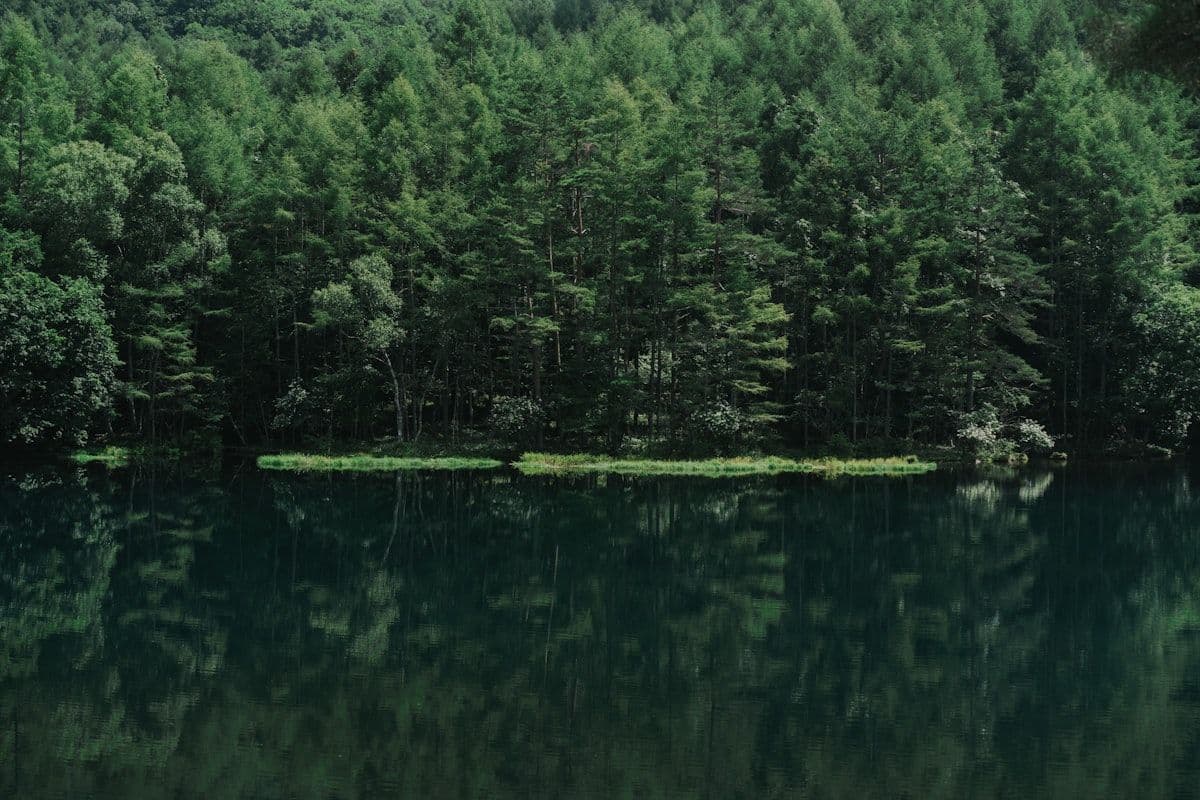
June is the quietest summer month — after cherry blossom season, before the festivals, before the school summer holiday crowd. The mountain trails are opening after snowmelt; Dewa Sanzan's Gas-san still has snowfields in early June, which is an unusual experience for summer hiking. The Oze wetland, on the Fukushima-Niigata border, is at its peak — water lilies and skunk cabbage in full bloom across the highland marsh.
Festival
Aomori in August: Festivals, Forests, and the End of Japan's Road
August is when Aomori comes alive. The Nebuta Festival fills the streets with illuminated warriors, and the rest of the prefecture rewards those who stay past the parade.
Accommodation availability in June is the highest of any season. Ryokan rates are at their most negotiable. If your schedule allows June travel, this is the time for the best value and fewest other visitors.
July: Heat, Fireflies, and Mountain Season
July brings Tohoku's summer heat — still moderate by Japanese standards, but warm enough that the elevated onsen and mountain destinations become particularly appealing. Nyuto Onsen in July is a different experience from the winter crowds: the forest is dense and green, the baths can be used without the commitment of winter cold, and the accommodation is significantly easier to book.
Ginzan Onsen in July has its own argument: fireflies. The gorge produces firefly populations in early-to-mid July that are visible on warm evenings after 8pm. The combination of fireflies over the river, the gas lanterns, and the wooden buildings is one of the most aesthetically specific experiences in Tohoku — understated compared to the winter photograph, but for those who experience it, at least equally memorable.
August: The Festival Month
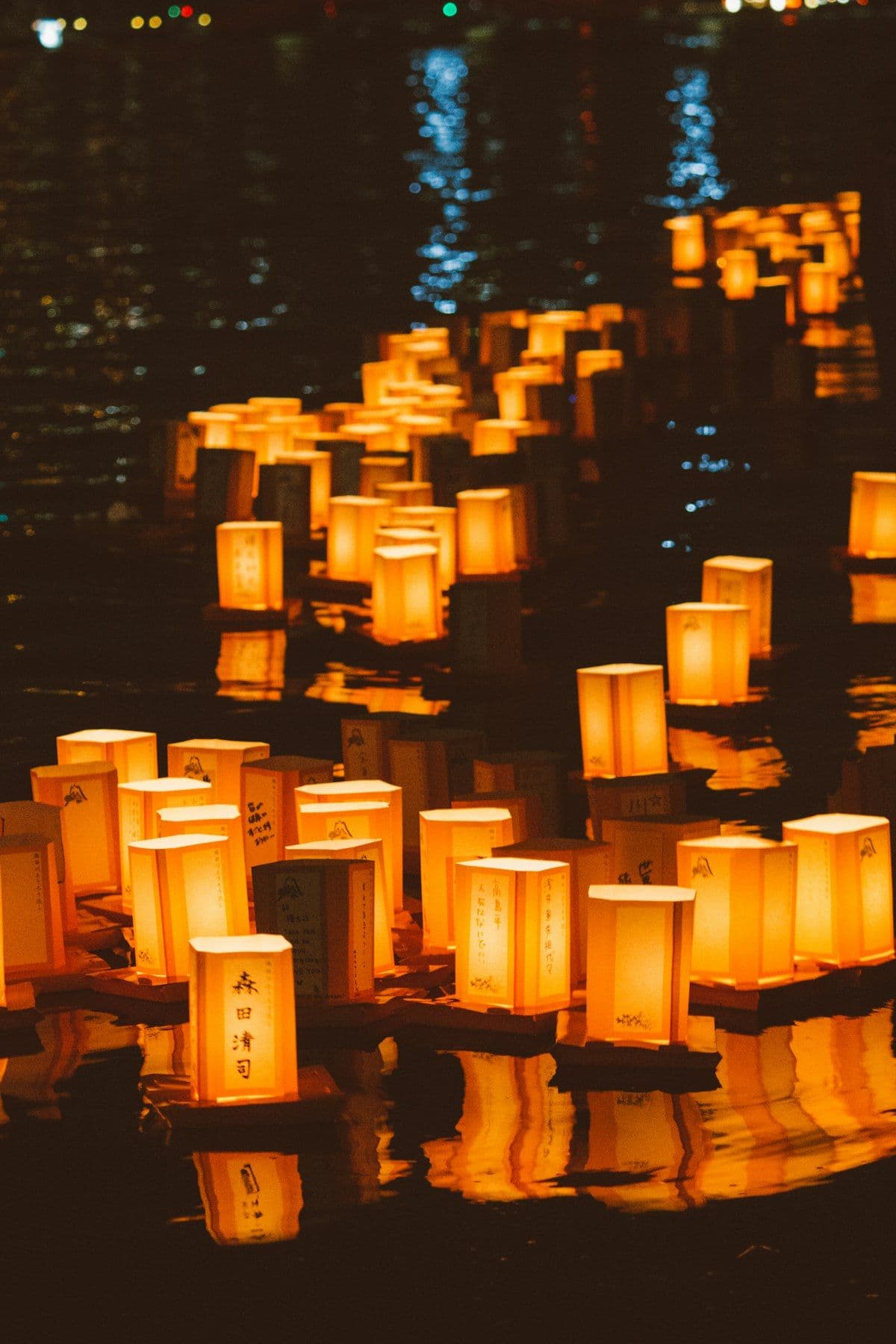
The first week of August is the reason to time a Tohoku trip to summer. Within five days, three of Japan's great festivals occur: Nebuta in Aomori (August 2–7), Kanto in Akita (August 3–6), and Tanabata in Sendai (August 6–8). All are accessible by shinkansen. A circuit — Sendai on August 6 for Tanabata, Akita on August 4–5 for Kanto, Aomori on August 3 for Nebuta — can be done in four days with overnight stays at each festival.
The logistics require advance planning: accommodation books out months ahead for festival nights, and the shinkansen is full in both directions during the festival period. Book accommodation first, then align the festival schedule. The reward for the planning is a concentration of spectacle — three entirely different festival traditions at peak expression within a week — that is available nowhere else in Japan.
Summer Seafood
Tohoku's summer seafood calendar: July–August brings tuna season at Oma in Aomori (large-body bluefin from the Tsugaru Strait current). The Matsushima Bay oyster season runs year-round, but summer varieties are smaller and more mineral. Sanriku coast sea urchin (uni) peaks in summer — the Iwate coast produces quantities of murasaki uni (purple sea urchin) that feed a significant portion of Japan's high-end restaurant market.
For direct-source seafood access: Aomori's Furukawa Market, Miyako's fish market (Iwate), and the morning markets at Kesennuma (Miyagi) all operate on the assumption that visitors want to buy from fishermen rather than intermediaries. The experience of watching tuna be broken down on a loading dock at 6am and buying the cut you want directly is available in Tohoku in a way that is increasingly rare in more tourist-developed regions.
Practical Summer Notes
Sun protection: Tohoku's summer sun is direct and UV levels are high despite the lower temperatures. Hat, sunscreen, and light long sleeves are appropriate for open mountain terrain and beach areas.
Festival accommodation: book 3–6 months ahead for August 2–7 anywhere near Aomori, Akita, or Sendai. The further you book ahead, the better the accommodation options.
Mountain trail opening: many high trails (Gas-san, Hayachine-san, the Shirakami interior) do not open until late June or July due to snowpack. Check the official prefectural tourism sites for current trail status before planning mountain days.