Festival— summer
The Complete Guide to Tohoku's Three Great Festivals
May 14, 2026
Three of Japan's greatest festivals. Five days in August. One shinkansen line. Here is how to plan a trip around Nebuta, Kanto, and Tanabata.
In the first week of August, three of Japan's most extraordinary festivals happen within five days of each other in three Tohoku cities connected by the same shinkansen line. The Nebuta Festival in Aomori (enormous illuminated floats of warriors and demons, crowds of three million). The Kanto Festival in Akita (performers balancing fifty-lantern bamboo poles on their foreheads, shoulders, and hips). The Tanabata Festival in Sendai (the largest star festival in Japan, seven kilometres of bamboo and paper ornaments lining the city's covered arcades).
None of these is a tourist creation. All three are deeply local events that have been running for centuries. Foreign visitors are welcome and, outside of the major viewing areas, often the only non-Japanese people present. This guide covers what each festival is, when and where to see it, and how to structure a trip around all three.
The Calendar
Nebuta Festival (Aomori): August 2–7. Main parades on August 3–6, evenings from 7pm. Grand finale parade on August 7 (afternoon). Kanto Festival (Akita): August 3–6. Evening performances from 7:20pm, approximately 90 minutes. Sendai Tanabata: August 6–8. Decorations up from August 5.
Festival 1: Nebuta (Aomori)
The Nebuta Festival is Aomori's defining event and one of Japan's most visually spectacular. Enormous floats — some 9 metres wide, 5 metres tall, weighing 4 tonnes — are constructed from wire frames covered in washi paper and illuminated from within. The subjects are warrior figures from history and mythology: fierce faces, dramatic poses, painted in vivid reds, blues, and golds.
On the main parade evenings (August 3–6), the floats move through central Aomori from 7pm. Surrounding each float are haneto — dancers in cotton kimono, straw hat, and bells who chant "Rassera, rassera" while jumping in a distinctive step. Anyone can join as a haneto by renting or buying the costume. Foreign visitors who join are given a particularly enthusiastic reception.
Festival
How to Join Nebuta as a Dancer: The Haneto Costume Guide
The Nebuta Festival is not just for watching. Here's how to join as a haneto dancer — costume, steps, and what to expect.
The Nebuta Warasse Museum on the Aomori waterfront stores and displays several floats year-round. Visiting outside of festival season gives you space to examine the craftsmanship up close that is impossible in the festival crowd.
Festival 2: Kanto (Akita)
The Kanto Festival is a demonstration of technique so extreme it appears to violate physics. A kanto — a bamboo pole up to 12 metres tall and 50 kilograms of weight when fully hung with 46 paper lanterns — is balanced by a performer on their forehead. Or palm. Or hip. Or shoulder. While walking.
Evening performances take place on Kanto Odori (a street in central Akita) from 7:20pm on each of the four festival nights. Approximately 10,000 lanterns are lit simultaneously at the start of each performance. The performers — many from teams that have been competing for generations — balance the poles for extended periods before transferring them to a new point of balance without letting them fall. When one wobbles and recovers, the crowd inhales as one.
The Akita Kanto Festival Museum near the performance area holds several kanto poles and allows visitors to attempt balancing a practice version (much lighter than the real thing). Worth doing. Harder than it looks.
Festival 3: Sendai Tanabata
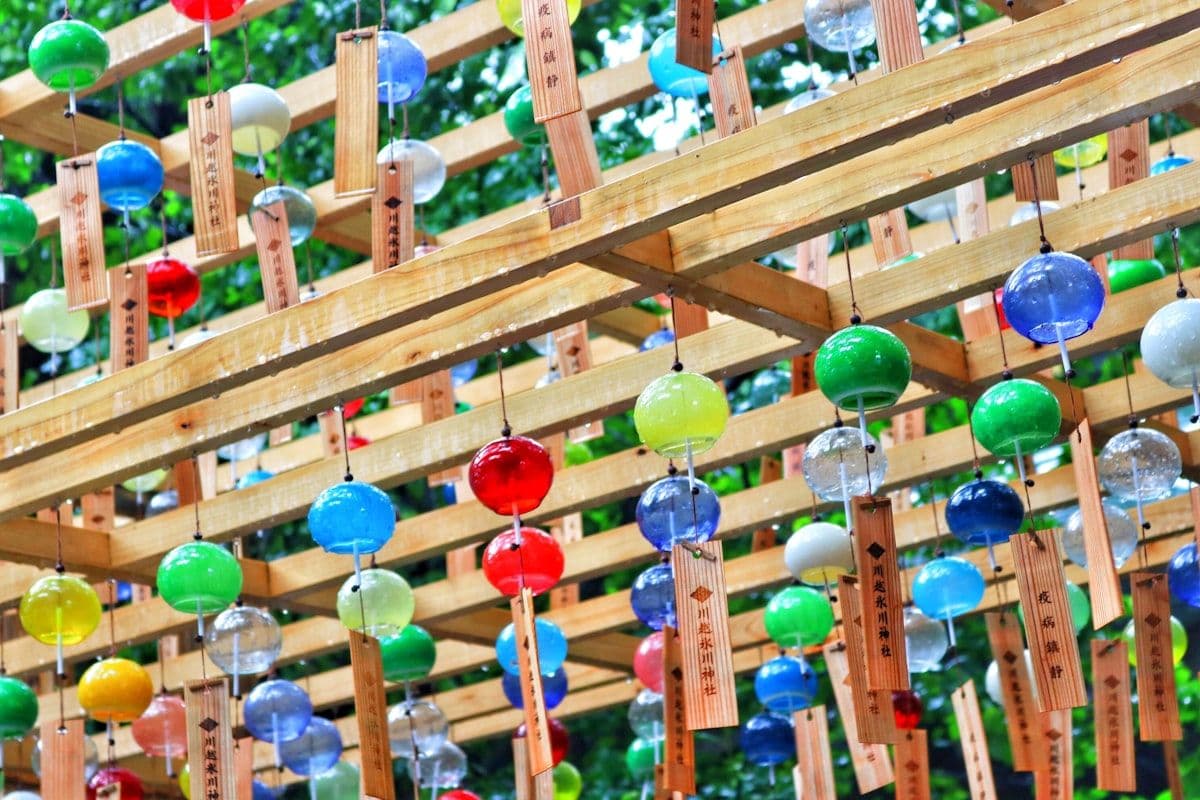
Sendai's Tanabata Festival is the largest in Japan. The star festival tradition — celebrating the annual meeting of the Weaver Star (Vega) and the Cowherd Star (Altair) across the Milky Way — is observed across Japan, but Sendai's version is unique in scale and elaborateness. More than 3,000 bamboo poles are decorated with seven types of traditional paper ornaments, hung over the city's covered shopping arcades. Some ornaments are five to eight metres long.
The festival runs officially August 6–8, but decorations go up from August 5 and the arcades are accessible from early morning until late evening. Unlike Nebuta and Kanto, Tanabata is a daytime experience — the ornaments catch the light best in the early afternoon. The crowd is significant on weekends; weekday mornings allow more space to look up.
How to Do All Three
A five to seven-night itinerary built around the festival week: Arrive Aomori August 2 or 3. Two to three nights in Aomori for Nebuta (August 3–5). Train to Akita August 5 or 6 (1 hour by limited express). One night in Akita for Kanto (August 5 or 6 evening). Train to Sendai August 6 or 7 (1 hour 20 minutes by shinkansen). One to two nights in Sendai for Tanabata (August 6–8).
Accommodation books out in all three cities by February for August dates. Book as soon as you confirm your travel. Festival-week prices are 30–50% higher than shoulder season at most properties.
Practical Notes
Crowds: Nebuta attracts 3 million visitors over the festival period. Arrive at viewing areas by 6pm for a front-row position. The best free viewing spots along the parade route fill from 6pm.
Haneto costume: available for purchase at major shops in Aomori (around ¥5,000–8,000 for the full set) or rental at designated locations. Instructions for joining the parade are distributed at the Warasse museum and the festival information centres.
Weather: August in Tohoku is warm (25–30°C) and humid. Rain is possible, particularly in Sendai. Carry a compact umbrella; the festivals run in light rain.