Festival— summer
Sendai Tanabata: How Japan's Oldest Star Festival Became Its Most Beautiful
May 15, 2026
Seven thousand bamboo poles. Three thousand paper ornaments. The Sendai Tanabata Festival is Japan's largest star festival — and one of its most underrated.
The Tanabata legend is one of the oldest in Japan: two stars, the Weaver (Vega) and the Cowherd (Altair), separated by the Milky Way, permitted to meet only on the seventh day of the seventh month. The festival that grew from this legend — wishing papers tied to bamboo, left for the wind — is observed across Japan. But what Sendai does with it is in a different order of magnitude.
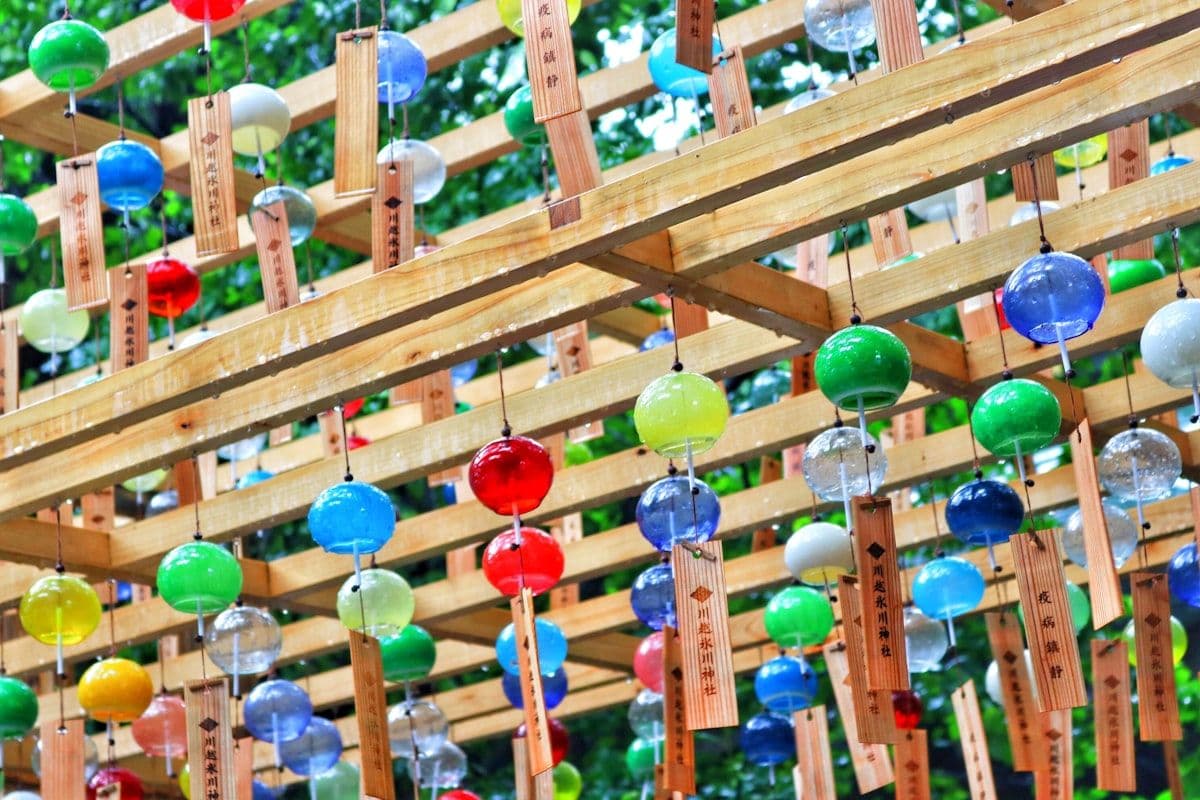
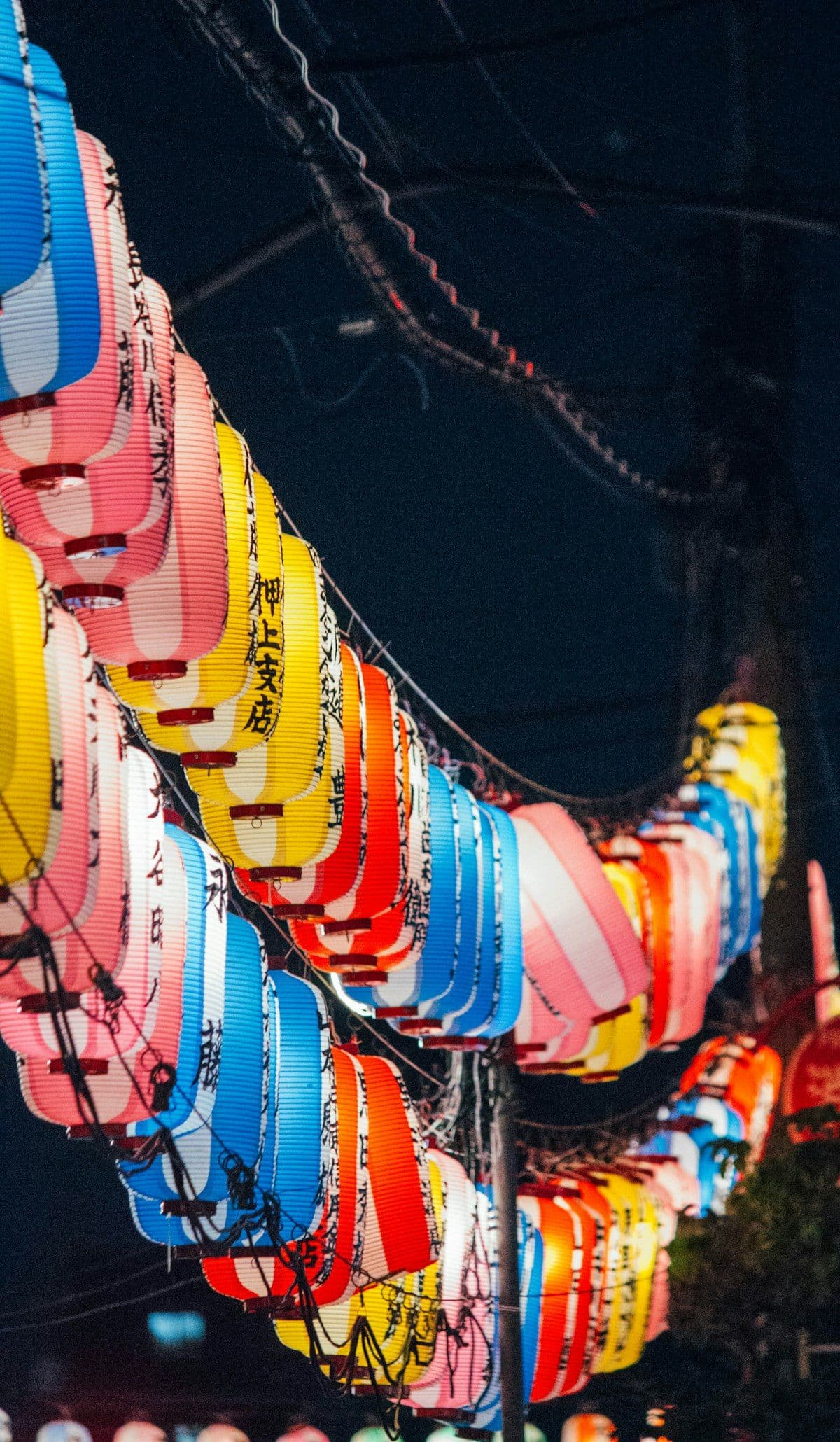
More than 3,000 bamboo poles, some five to eight metres long, are decorated with seven traditional types of ornaments — streamers, nets, paper cranes, paper balls, kimono shapes — and hung over the city's covered shopping arcades from August 5–8. The effect is one of the most beautiful environments you can walk through in Japan.
The Origins of Sendai's Version
The Tanabata tradition in Sendai dates to the feudal lord Date Masamune, who promoted weaving culture in the region in the 17th century. The elaborate decorations associated with Sendai's version — the long colourful streamers, the handmade paper ornaments — developed from this weaving tradition and grew into the large-scale competitive decoration event that exists today.
Modern Sendai Tanabata began in its current form in the 1930s, when the city's merchants created elaborate displays to attract shoppers after the economic depression. The competition between neighborhood associations and shopping arcades to create the most impressive display became the engine of the festival's growth.
What You See
Festival
Akita Kanto Festival: The Lantern-Balancing Act That Will Stop Your Heart
Fifty lanterns. Twelve metres of bamboo. Fifty kilograms balanced on a forehead. The Akita Kanto Festival is one of Japan's most astonishing human performances.
The main display runs along Clis Road and Ichibancho — Sendai's covered shopping arcade network — for approximately one kilometre. Every arcade entry is decorated with a large bamboo pole hung with ornaments. Walking the full arcade in a single direction takes about twenty minutes at normal pace; seeing all of it properly takes an hour or more.
The most photographed moments: the view down a long arcade with ornaments on both sides creating a tunnel of colour, and the moment the wind moves through the arcade and the streamers shift simultaneously. Morning visits (before 10am) offer the best light through the arcade skylights and fewer crowds.
Outside the main arcade, smaller displays cover streets throughout central Sendai. The bamboo in Jozenjidori, the zelkova-lined main boulevard, creates a different kind of display — the ornaments against the trees rather than against arcade ceilings.
The Fireworks
The Sendai Tanabata Fireworks Festival takes place on the evening of August 5 (the day before Tanabata officially begins), at the Nishi Koen riverside area. Approximately 16,000 fireworks over one hour. This is one of the largest fireworks events in Tohoku and draws approximately 500,000 spectators. Riverside viewing areas fill from 4pm.
Practical Information
Dates: official festival August 6–8. Decorations go up from August 5. The fireworks festival is August 5 (evening).
Access: Sendai Station is the hub. The main arcade starts a five-minute walk from the station west exit. The Loople Sendai bus circuit covers all major sites.
Weather: August in Sendai averages 27°C. Rain is possible; the arcades mean the main display is weather-protected. Carry a compact umbrella for moving between areas.
Crowds: the festival draws approximately 2 million visitors over three days. Early morning (before 9am) and evenings (after 7pm) are significantly less crowded than midday.
Before and After the Festival
Sendai makes a comfortable base for Tohoku travel beyond the festival. Matsushima bay (40 minutes by train) is easily combined with a festival visit. The Date Masamune Mausoleum (Zuihoden) near the city is one of the most elaborate examples of Momoyama-era funerary architecture in Japan and takes two hours to visit properly.
The city's restaurant scene centres on beef tongue (gyutan) — a tradition that began in Sendai in 1948 when American beef bones made beef tongue locally available. Rikyu near the station and Kisuke in Kokubuncho are the two most respected establishments.