Festival— summer
Aomori in August: Festivals, Forests, and the End of Japan's Road
May 25, 2026
August is when Aomori comes alive. The Nebuta Festival fills the streets with illuminated warriors, and the rest of the prefecture rewards those who stay past the parade.
There is a version of Aomori travel that lasts three days: arrive for the Nebuta Festival, watch the illuminated floats parade through the streets, leave. That version is good. The version where you stay longer — where the festival is the entry point rather than the event — is significantly better.
August is Aomori's fullest month. The Nebuta Festival runs August 2–7, drawing three million visitors to a city of 280,000. But the prefecture around it — the forests, the coasts, the mountain caldera, the fresh seafood — is the reason that the best Aomori visitors build the whole month around a single week.
The Nebuta Festival
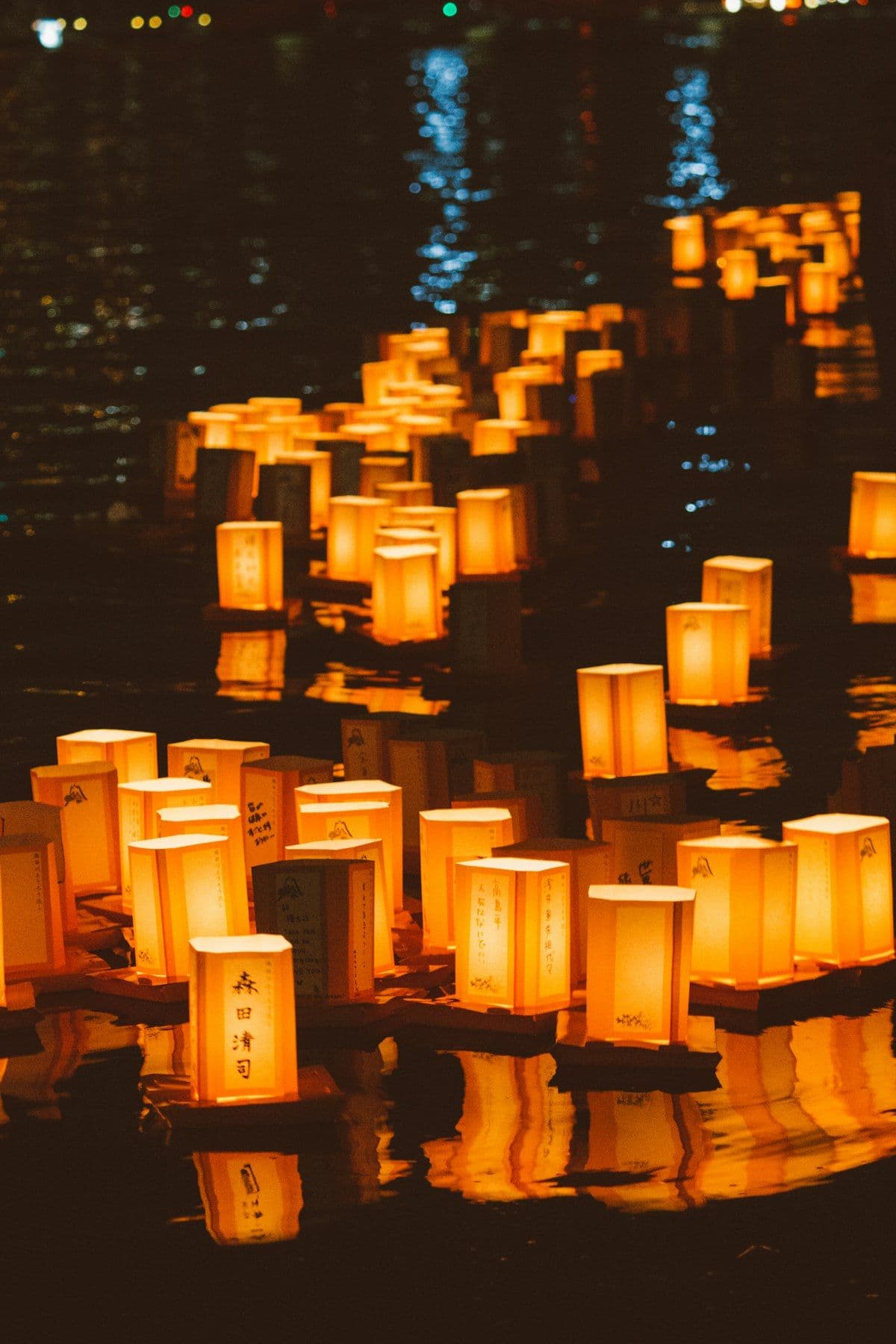
The Aomori Nebuta Festival (ねぶた祭り) is one of the three great summer festivals of Tohoku, alongside Akita's Kanto and Sendai's Tanabata. It runs from August 2 to 7, with the main parade floats processing through central Aomori each evening from around 7pm to 9pm. The finale on August 7 includes a sea parade.
The floats — nebuta — are wire frames covered in washi paper and lit from within, depicting warriors, deities, and creatures from Japanese mythology and kabuki. The largest float takes a dedicated workshop eleven months to build. Dimensions reach 5 metres tall and 9 metres wide. Twenty to thirty floats process each night, accompanied by hayashi music — flute, drums, and the rhythmic calls of the haneto dancers who surround each float.
Watching vs Participating
Nature
Lake Towada and the Oirase Valley: A Two-Day Nature Itinerary for Aomori
Lake Towada and the Oirase Gorge are Aomori's finest natural sites. Here's how to see both properly in two days.
The haneto are the dancers who follow each float: costumed in yukata, straw hats, and small bells, performing the same leaping, arm-swinging movement to a specific rhythm. Anyone can join. Rent a haneto costume from shops near the parade route (¥3,000–5,000 for the evening), learn the basic movement from the YouTube tutorials that circulate before the festival, and join the procession. It is not a spectator sport unless you choose to make it one.
For pure watching: grandstand seats are available by lottery in advance (apply in March via the official Nebuta website). Standing along the parade route is free but requires arriving early — 5–6pm for a good position. The best viewing positions are along the main parade route in central Aomori.
Beyond the Festival: What Aomori Actually Is
Oirase Gorge and Lake Towada
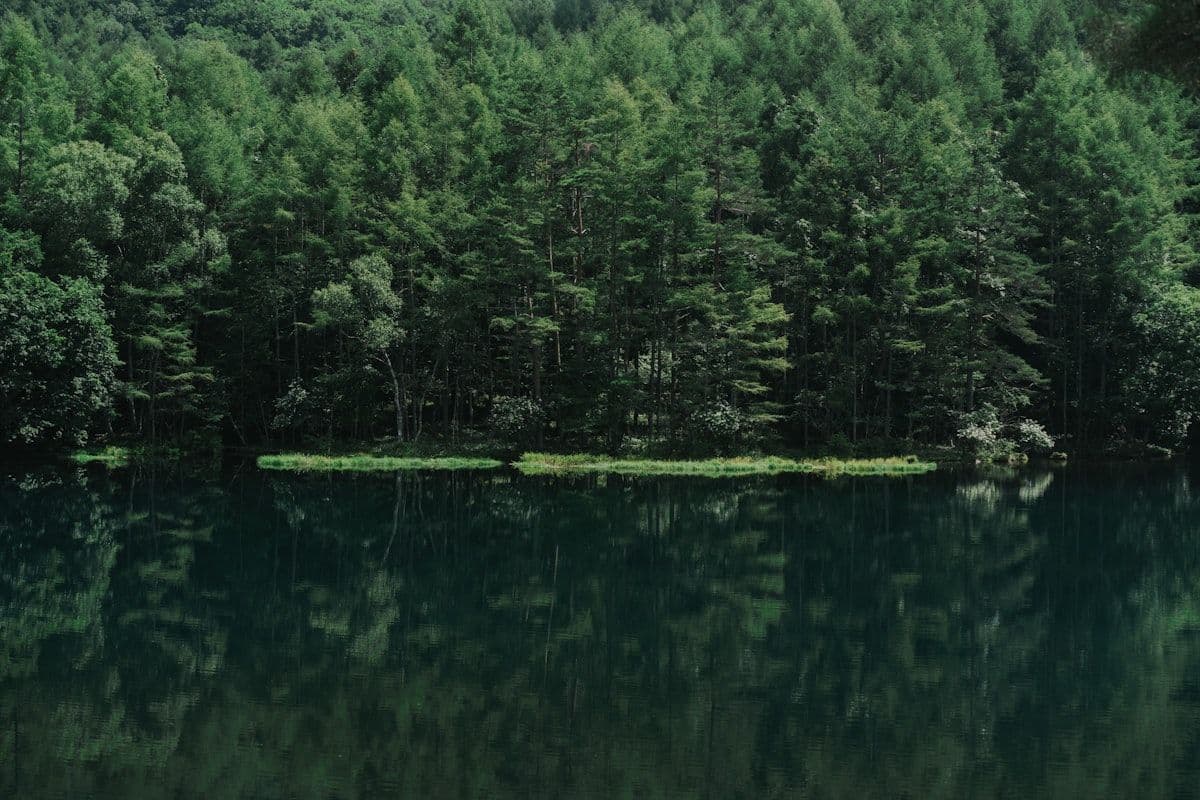
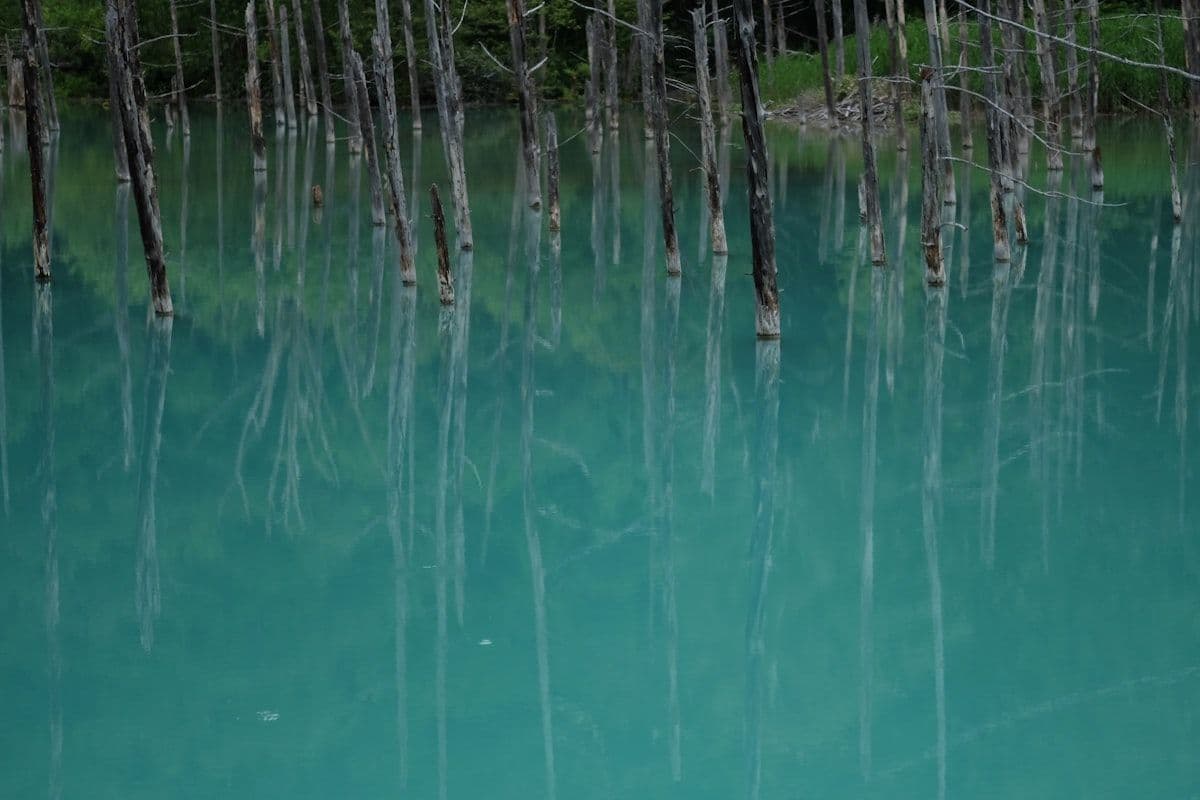
An hour's drive from Aomori city, the Oirase Gorge runs fourteen kilometres through old-growth forest along a fast mountain river. The trail beside the water is clear and level — a rare combination in Japanese mountain hiking. In August, the canopy is dense and the river is running high and cold. The gorge feeds into Lake Towada, a caldera lake of extraordinary clarity at 320 metres elevation. The lake has no inlet rivers — it exists on a closed hydrological system, which gives it a stillness and depth that is unusual even in Japan.
Hirosaki and the Apple Orchards
Hirosaki, an hour southwest of Aomori city, is known first for its castle and its cherry blossoms. In August, the city is quieter and the orchards are coming into their summer growth. Apple cultivation in the Tsugaru region produces fruit that is sold at prices that seem implausible to visitors from outside Japan — individual premium apples presented in gift boxes. The Hirosaki Apple Park allows visitors to harvest directly from the trees in season (August–October). The castle grounds, surrounded by a deep moat, are pleasant in summer heat and less crowded than in cherry blossom season.
Seafood
Aomori Prefecture is consistently ranked among Japan's top seafood producing regions. August is the season for tuna from Oma — large-bodied bluefin that comes from the Tsugaru Strait between Aomori and Hokkaido. The Tsugaru Strait's strong currents produce fish with high fat content. At Aomori's covered market (Furukawa Market, a short walk from the central station), tuna is available direct from fishermen at prices that are a fraction of Tokyo restaurant costs. Scallops, sea urchin, and squid are available year-round; August brings premium summer varieties of each.
Practical Planning for August
Accommodation during the Nebuta period (August 2–7) books out months in advance. If arriving for the festival, accommodation in central Aomori should be confirmed by April at the latest. If flexibility allows, basing yourself in Hirosaki (30 minutes by train from Aomori) or Towada city (near the gorge) during the festival period and commuting for the parade is a viable strategy that opens more accommodation options.
August temperatures in Aomori are moderate by Japanese summer standards — 25–28°C typical, with the coast and mountain areas remaining cooler. Humidity is lower than southern Japan. Rain occurs periodically but rarely disrupts the festival, which proceeds in most weather conditions.
Getting there: Shin-Aomori Station is on the Tohoku Shinkansen from Tokyo (approximately 3 hours). Aomori Airport receives flights from Tokyo Haneda (1 hour 20 minutes). The JR East Tohoku Pass covers shinkansen travel from Tokyo.