Itinerary— all
The Perfect 10-Night Tohoku Itinerary from Bangkok
July 6, 2026
A market-specific 10-night Tohoku itinerary from Bangkok, covering direct flights, the Tohoku Shinkansen, three accommodation tiers, and practical notes on climate, JR passes, and halal dining for Thai travelers.
Thailand has quietly become one of Japan's most important inbound markets. Year after year, Thai travelers arrive in record numbers, and the most experienced among them are no longer content with the well-trodden Golden Route between Tokyo, Kyoto, and Osaka. They have seen the cherry blossoms at Ueno Park and the deer at Nara. The question that increasingly surfaces in Bangkok travel circles is a simple one: what comes next?
The answer, for a growing number of repeat visitors, lies north. Tohoku, the six prefectures that occupy the northern third of Honshu, offers the depth that seasoned travelers crave: working onsen towns rather than resort facsimiles, festivals that predate the modern tourism economy, and landscapes that shift dramatically with the seasons. This Tohoku itinerary from Bangkok is built for travelers who want to go beyond the obvious without sacrificing comfort or logistical ease, and it follows the same proven ten-night structure that has guided readers from Singapore, Hong Kong, and Taipei.
The Bangkok to Tohoku Context: Why It's Worth the Detour
Thai passport holders enjoy one of the smoother entry experiences into Japan. Short-term tourist stays are visa-free for up to fifteen days, which comfortably accommodates a ten-night trip with arrival and departure days. There is no advance paperwork beyond the standard digital arrival registration, and the process at Narita or Haneda is straightforward for those who prepare their accommodation details in advance.
What makes Tohoku worth the additional travel from Tokyo is precisely what makes it unfamiliar. The region was, for centuries, the agricultural and spiritual hinterland of Japan, and it retains a slower texture. Thai travelers accustomed to the polish of central Tokyo often find the contrast restorative. The onsen are genuine, fed by volcanic geology rather than municipal plumbing. The food is regional and seasonal in a way that menus elsewhere only gesture toward. And because international visitor numbers remain modest compared to Kansai, the experience feels less mediated. For repeat visitors to Japan, this is the rare itinerary that still surprises.
There is also a practical argument. Tohoku rewards a multi-night commitment. The distances between its highlights are real, and the rhythm of onsen towns and mountain valleys does not suit a rushed day trip. Ten nights is enough to move through several prefectures without ever feeling hurried, and it allows for the unhurried evenings that are the entire point of a Japanese hot-spring town.
Getting There: Flights from Bangkok and the Tohoku Shinkansen
Bangkok is exceptionally well connected to Tokyo. Both Suvarnabhumi (BKK) and Don Mueang (DMK) serve the route, with direct flights to Narita and Haneda operated by Thai Airways, ANA, and Japan Airlines on the full-service side, and by ZIPAIR and Thai AirAsia X among the low-cost carriers. Flight time runs to roughly six hours, which makes an overnight or early-morning arrival entirely manageable. Fares vary widely by season, with the cherry blossom and autumn foliage windows commanding the highest prices.
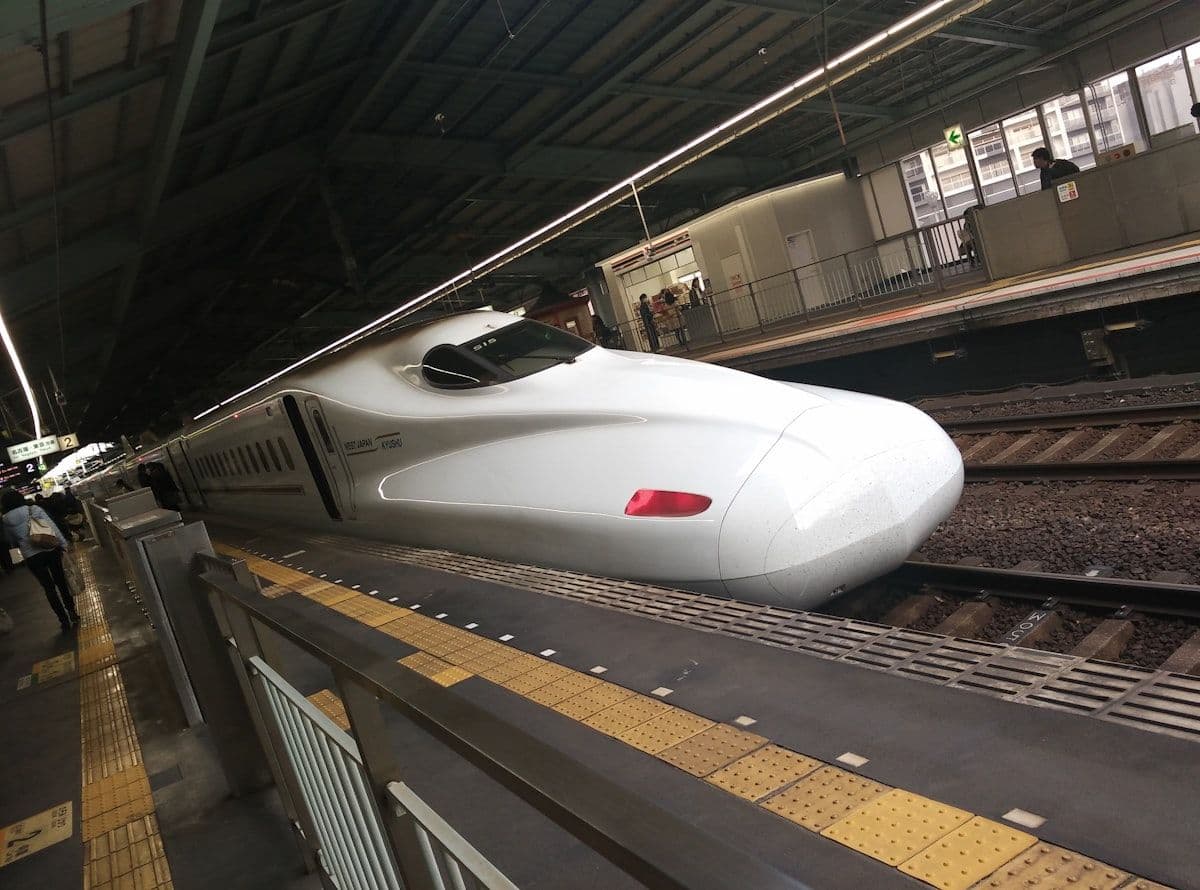
Direct access to Tohoku itself remains limited but is improving. Seasonal and charter flights between Bangkok and Sendai Airport have appeared in recent years, and travelers should check whether one aligns with their dates, as it removes the Tokyo transit entirely. For most, however, the route will be Bangkok to Tokyo by air, then north by rail. The Tohoku Shinkansen is the spine of this trip. From Tokyo Station, the Hayabusa and Komachi services reach Sendai in around ninety minutes and Morioka in roughly two and a quarter hours, gliding north at speed and in considerable comfort.
The single most useful planning decision is the rail pass. The JR East Tohoku Area Pass offers five days of unlimited travel within a fourteen-day window on the region's shinkansen and most local lines, and for an itinerary of this shape it pays for itself quickly. The flexibility of the fourteen-day window is the key advantage: it allows the pass to be activated on the day of the first major shinkansen leg and held in reserve during the onsen-town interludes, when little rail travel occurs. Reserved seats can be booked at no extra charge, which is worth doing for the popular Hayabusa services.
The 10-Night Tohoku Itinerary, Day by Day
This itinerary assumes an arrival into Tokyo and a steady northward progression, with a return south at the end. It can be run in any season, though the packing notes later in this article become essential in winter. The structure moves from the accessible coast around Sendai, up into the mountain onsen of Yamagata and Akita, through the cultural centers of Iwate and Aomori, and offers a southern Fukushima alternative for those who prefer a different return.
Night 1: Arrival in Tokyo or Onward to Sendai
Travelers arriving in the late afternoon are best served by spending the first night in Tokyo, near the station, to absorb the journey and shake off the flight. Those who land in the morning can collect their rail pass and ride straight to Sendai, gaining a full day in the north. Either choice works; the deciding factor is arrival time and appetite for movement on day one.
Nights 2 and 3: Sendai and Matsushima
Itinerary
The Perfect 10-Night Tohoku Itinerary from Hong Kong
Hong Kong to Tohoku: the route, the logistics, and ten nights that will reset your idea of what Japan can be.
Sendai, the largest city in Tohoku, is an unhurried and green capital that makes an ideal base for the first leg. Its signature dish is gyutan, charcoal-grilled beef tongue, served in specialist restaurants throughout the city and worth seeking out. A short train ride away lies Matsushima Bay, ranked among Japan's three most celebrated scenic views, where pine-clad islets scatter across calm water. A boat cruise among them, followed by a visit to the meditative Zuiganji temple, fills a morning beautifully. The contrast between the city's quiet modernity and the bay's classical scenery sets the tone for the trip.
Nights 4 and 5: Ginzan Onsen, Yamagata
From Sendai, the route turns inland to Yamagata and one of Japan's most photographed hot-spring towns. Ginzan Onsen is a single narrow street of wooden ryokan buildings lining a river, lit at dusk by gas-style lamps. In winter, with snow banked along the eaves, it is almost unbearably picturesque; in other seasons it is quieter and no less atmospheric. The town is small and best appreciated by staying overnight, when the day visitors have departed and the streets belong to ryokan guests in yukata. Two nights allow for a genuine slowing down, which is the entire purpose of the place.
Nights 6 and 7: Nyuto Onsen, Akita
Deeper into the mountains lies Nyuto Onsen, a cluster of remote hot-spring inns scattered through the forest near Lake Tazawa in Akita. This is onsen culture in its most elemental form: rustic wooden bathhouses, milky sulphurous waters, and a stillness broken only by wind in the beech trees. Tsurunoyu, the oldest of the inns, is the most famous, though every property here has its character. There is little to do but bathe, eat well, and rest, which after a week of travel is precisely the appeal. The remoteness is real, so plan transfers carefully and confirm them with your accommodation in advance.
Night 8: Morioka, Iwate
Descending from the mountains, the itinerary returns to the shinkansen line at Morioka, the capital of Iwate. It is an underrated city with a handsome historic core, a famous bridge over the Kitakami River, and a celebrated noodle culture. The local trio of wanko soba, reimen, and jajamen gives the city an outsized culinary reputation. A single night is enough to enjoy a good dinner and a wander before continuing north, though those who linger will find a relaxed and welcoming place.
Nights 9 and 10: Aomori and Hirosaki
The northern terminus of this Tohoku itinerary from Bangkok is Aomori, the prefecture at the top of Honshu. Aomori City is home to the spectacular Nebuta festival, held each August, when enormous illuminated paper floats are paraded through the streets; outside the festival season, the Nebuta Museum WA RASSE preserves the experience year-round and is genuinely worth a visit. Nearby Hirosaki offers a graceful castle town with one of Japan's finest cherry blossom parks in spring. For those drawn to landscape, the Oirase Gorge, a stream tumbling through mossy forest toward Lake Towada, is among the most beautiful walks in the region, luminous in autumn. Two nights here allow a balance of festival culture and natural scenery before the return journey.
The Southern Fukushima Alternative
Travelers who prefer to vary their return, rather than retracing the line to Tokyo, can break the southbound journey in Fukushima. The samurai town of Aizu-Wakamatsu, with its reconstructed castle and well-preserved streets, and the thatched-roof post village of Ouchijuku offer a southern counterpoint to the northern onsen towns. This extends the trip's geographic reach across all six Tohoku prefectures and provides a gentler reentry toward Tokyo and the flight home.
Where to Stay: Three Accommodation Tiers
Tohoku accommodation spans a wide range, and the right choice depends as much on travel style as on budget. The itinerary works at any of three tiers, and many travelers mix them, splurging on a ryokan in Nyuto while economizing in the cities.
At the comfort tier, expect business hotels in Sendai, Morioka, and Aomori, clean and efficient and typically priced for value, paired with standard rooms at the onsen towns. This tier keeps costs controlled while still placing travelers inside the hot-spring experience. It suits those who view accommodation primarily as a base.
The mid-range tier introduces the traditional ryokan as the centerpiece of the trip. A room with a private or semi-private bath in Ginzan Onsen, an authentic inn at Nyuto, and well-located city hotels elsewhere strike a balance most travelers find ideal. The kaiseki dinners served at these ryokan are often the culinary highlight of the entire journey, and the half-board arrangement removes the need to forage for dinner in small towns.
At the premium tier, the trip becomes a study in refined Japanese hospitality. The finest ryokan rooms with private open-air baths, the historic inns of Nyuto at their best, and design-led or luxury hotels in the cities transform the experience. This tier is for travelers for whom the accommodation is itself a destination, and Tohoku rewards the investment with a quality of service and setting that rivals anywhere in Japan.
Practical Notes for Thai Travelers
The most important preparation concerns climate. Tohoku is significantly colder than anything most Bangkok residents encounter at home, and the difference is not to be underestimated. Winter, from December through March, brings heavy snow across much of the region, with temperatures frequently below freezing. Thai travelers unaccustomed to the cold should treat winter packing seriously: a proper insulated coat, thermal base layers, gloves, a warm hat, and waterproof boots with good grip are not optional but essential. The snow that makes Ginzan Onsen so beautiful also makes pavements treacherous. Spring and autumn are mild but variable, requiring layers and a light jacket, while summer is warm and humid, comfortable in light clothing but with mountain evenings that can turn cool.
For rail, the JR East Tohoku Area Pass remains the central recommendation, and it should be reserved before departure where possible. Activate it on the first major shinkansen day and use its fourteen-day validity window to bracket the onsen interludes. A prepaid IC card, such as Suica, is invaluable for local transit, vending machines, and convenience stores, and can now be added to many smartphones. Cash remains more important in rural Tohoku than in Tokyo, so carry a reasonable reserve, particularly for the remote onsen.
Dining requires the most candid advice. Halal and vegetarian options in Tohoku are limited compared to Tokyo, though the situation is improving steadily. Sendai and the larger cities have a small but growing number of Muslim-friendly restaurants, and some ryokan can accommodate dietary requirements if notified well in advance, which is the single most useful step a traveler can take. Vegetarian travelers should be aware that dashi, the fish-based stock underpinning much of Japanese cuisine, is nearly ubiquitous, so clear communication is essential. Carrying a written explanation of dietary needs in Japanese, stocking up on verified snacks, and researching specific restaurants before arrival will all smooth the experience considerably. Fruit, fresh produce, and the region's famous rice and noodles offer reliable common ground.
Tips for a Smoother Journey
A few practices separate a good Tohoku trip from a frustrating one. Book ryokan and shinkansen seats well ahead, particularly during the cherry blossom, autumn foliage, and Nebuta festival peaks, when demand outstrips supply. Pack a small day bag, since onsen towns and gorge walks reward travelers who are not dragging full luggage; many hotels and stations offer same-day luggage forwarding between cities, a service worth using. Learn the basic etiquette of the onsen, where bathing is communal and done without swimwear after a thorough wash; ryokan staff are accustomed to first-time guests and will guide newcomers patiently. Finally, build in unstructured time. The pleasure of Tohoku is not in checking sites off a list but in the long evening in a quiet hot-spring town, which no itinerary can schedule but every good one should protect.
Frequently Asked Questions
Do Thai travelers need a visa to visit Tohoku, Japan?
No. Thai passport holders may enter Japan visa-free for short-term tourist stays of up to fifteen days, which fully covers a ten-night itinerary. Travelers should complete the standard digital arrival registration before landing and be prepared to show accommodation details and an onward or return ticket at immigration.
How do you get from Bangkok to Tohoku?
The most common route is a direct flight from Bangkok (BKK or DMK) to Tokyo (Narita or Haneda) of around six hours, followed by the Tohoku Shinkansen north from Tokyo Station. Sendai is reached in roughly ninety minutes by rail and Morioka in about two and a quarter hours. Seasonal or charter flights from Bangkok to Sendai Airport occasionally operate and are worth checking, as they remove the Tokyo transit altogether.
What is the best time of year for a Tohoku itinerary from Bangkok?
Each season offers something distinct. Late April brings cherry blossoms to Hirosaki and the north, October and November deliver spectacular autumn foliage in the Oirase Gorge, and winter transforms onsen towns like Ginzan into snow-covered scenes of rare beauty. Thai travelers seeking the novelty of snow should consider winter but must pack seriously for the cold, while those preferring milder weather will find spring and autumn most comfortable.
Is halal or vegetarian food available in Tohoku?
Options are limited compared to Tokyo but are improving. Sendai and the larger cities have a growing number of Muslim-friendly restaurants, and many ryokan can accommodate dietary requirements when notified well in advance. Because fish-based dashi appears in much of Japanese cooking, vegetarian travelers should communicate their needs clearly, ideally with a written note in Japanese, and supplement with verified snacks and fresh produce where convenient.