Itinerary— all
The Perfect Tohoku Itinerary from Taipei
June 16, 2026
A day-by-day Tohoku itinerary from Taipei, built for travelers who already know Tokyo and Kyoto and want the quieter north. This 7 to 8 night plan covers flights, rail, onsen, and seasonal timing for a Tohoku trip from Taipei.
Taiwan sends more travelers to Japan than almost anywhere else. Year after year it ranks among Japan's largest and most frequent inbound markets, and a large share of those visitors are repeaters who have already walked Tokyo's Shibuya crossing and lit incense at Kyoto's temples. For them, the next question is where to go that feels new. Tohoku, the six prefectures that occupy the northern third of Honshu, is the answer many are arriving at. It is close enough for a long weekend made longer, and far enough off the standard circuit to still feel like discovery.
A good Tohoku itinerary from Taipei rewards planning more than improvisation. Distances between highlights are real, train frequencies thin out north of Sendai, and the region's best experiences, deep mountain onsen, samurai streets, summer festivals, are spread across all six prefectures. The plan below covers a 7 to 8 night trip designed around a Taipei departure, with the routing options laid out honestly and seasonal variants for cherry blossom, autumn color, and deep winter.
Schedules and prices shift, so treat flight frequencies and rail-pass figures here as a starting point and confirm current details before booking. What does not change is the shape of the trip: arrive into the Sendai gateway, loop counterclockwise through Yamagata, Akita, and Iwate, and exit through Aomori or back the way you came.
Getting to Tohoku from Taiwan: the routing decision
There are three sensible ways to reach Tohoku from Taiwan, and the right one depends on how much rail time you are willing to trade for a shorter first day. The decision is worth making before anything else, because it sets where your itinerary begins and ends.
Direct to Sendai, the natural gateway
The cleanest option is a direct flight from Taipei Taoyuan to Sendai Airport, the air hub for the entire region. Several carriers have operated this route, including EVA Air, Starlux Airlines, and Tigerair Taiwan, with flying time of roughly three and a half hours. Frequencies are seasonal and have ranged from a handful of weekly departures to roughly daily service in peak periods, so verify the current timetable rather than assuming a flight on your preferred date. Sendai Airport connects to Sendai Station in about 25 minutes by the dedicated access line, which means a midday landing can still become a productive first evening in the city.
Via Tokyo and the Tohoku Shinkansen
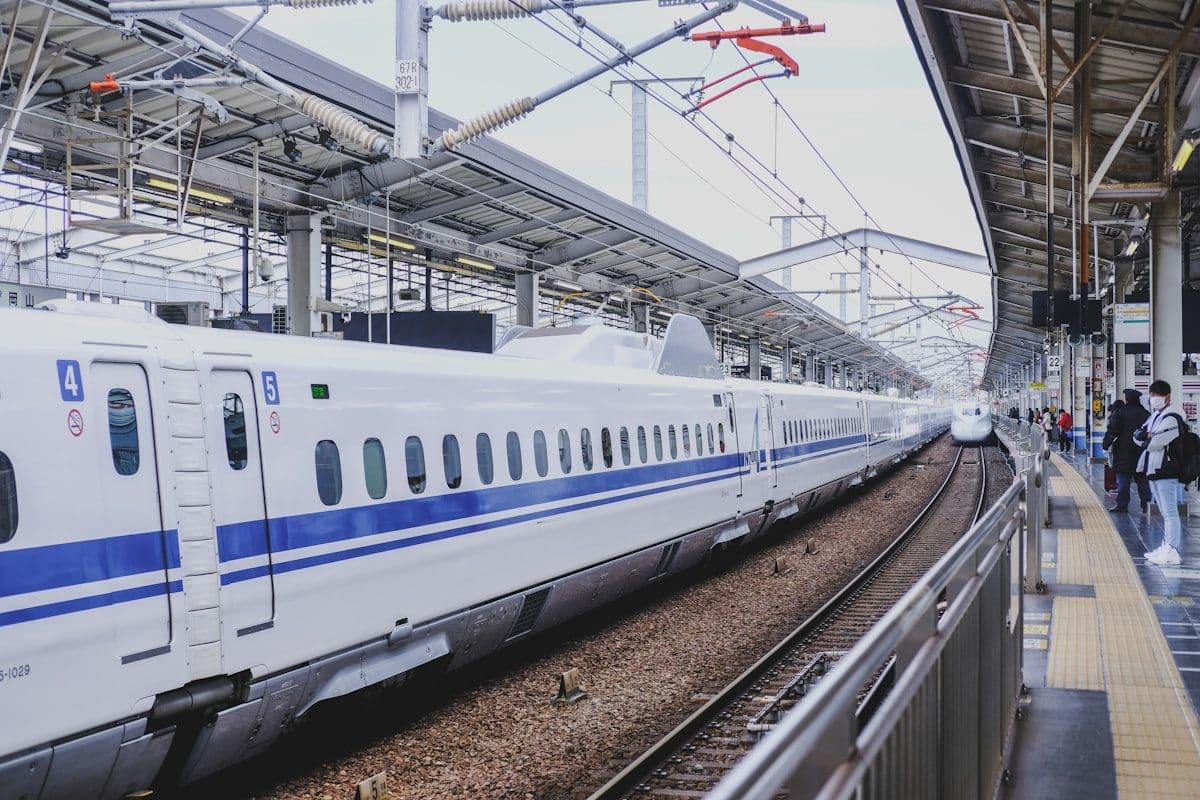
When direct Sendai flights do not line up with your dates, flying into Tokyo (Narita or Haneda) and riding the Tohoku Shinkansen north is the dependable fallback. Tokyo to Sendai takes about 90 minutes to a little over two hours on the Hayabusa and Yamabiko services, and trains run frequently throughout the day. This adds a transfer and a few hours, but it opens far more flight choices from Taipei and lets travelers tack on a Tokyo night at either end if they want one.
Flying into Aomori or another hub
Travelers who prefer to run the itinerary in reverse, north to south, can look at flights into Aomori, though service from Taiwan is limited and often seasonal or charter-based. The more reliable variation is an open-jaw booking: into Sendai, out of Tokyo Haneda after taking the Shinkansen back down from Aomori. This avoids backtracking entirely and is often the smartest structure for the eight-night version of the trip.
The day-by-day Tohoku itinerary from Taipei
This is the core route, written for arrival into Sendai and exit through the north. It runs counterclockwise so that each day's travel is short and the onsen nights fall where they should. Adjust the order freely, but keep the rhythm of one or two settled nights between longer moves.
Day 1: Arrive Sendai
Land at Sendai Airport, ride the access line into the city, and check into a business hotel near the station. The first evening asks little. Sendai is known for grilled beef tongue, gyutan, and the dish is best eaten the night you arrive, when you want something simple and good without a plan. Pick up your rail pass and a transit card before bed so the morning starts clean.
Day 2: Sendai and Matsushima Bay
Spend the morning on Sendai's wide tree-lined avenues and the hilltop site of Aoba Castle, then take the short local train to Matsushima. The bay is studded with pine-covered islets and counted among the classic scenic views of Japan. A sightseeing cruise, the red bridges to the small shrine islands, and grilled oysters in season make an easy afternoon. Return to Sendai for the night, or push on if you prefer fewer hotel changes.
Itinerary
Tohoku by Rail: The Ultimate JR Pass Guide for First-Timers
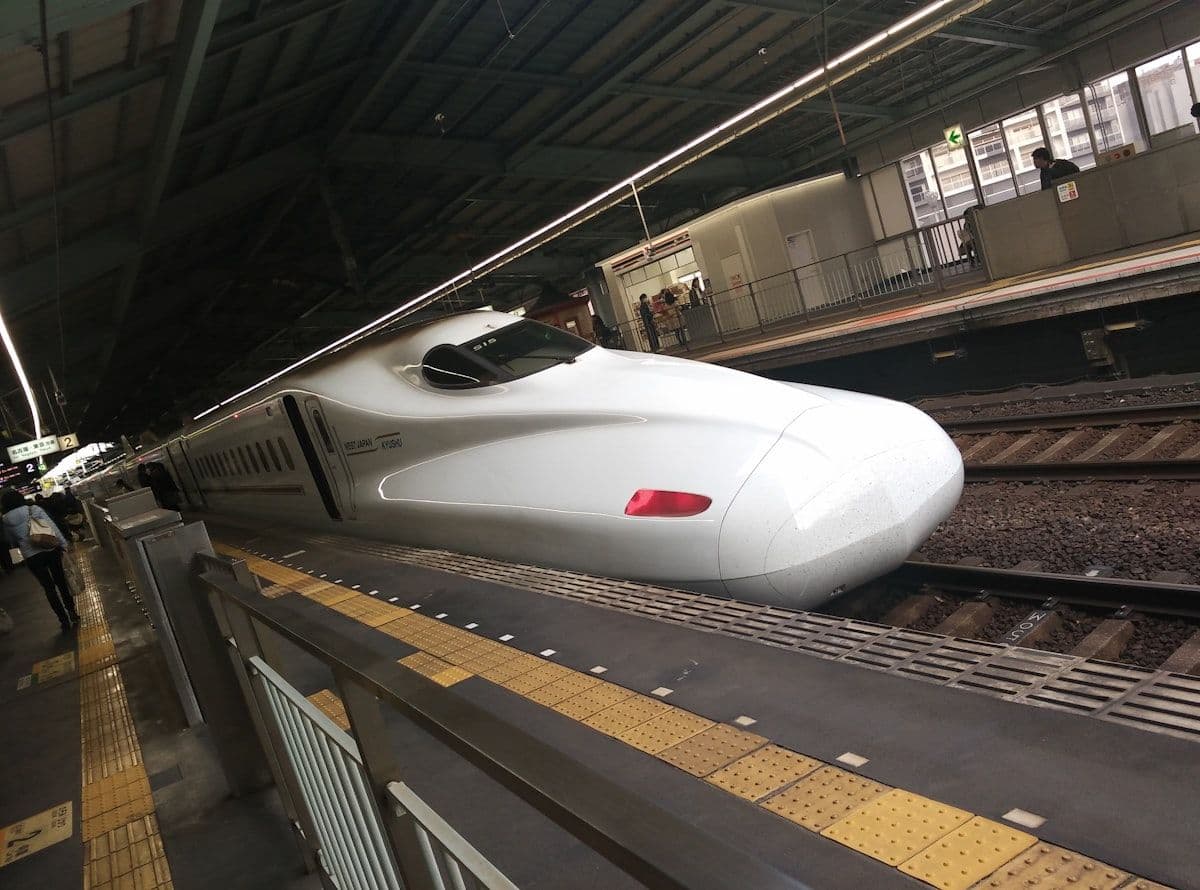
Tohoku is easier to navigate by train than most visitors expect. Here's the complete guide to passes, routes, and what the rail network can and cannot do.
Day 3: Into the mountains to Ginzan Onsen
Cross into Yamagata Prefecture toward Ginzan Onsen, a narrow valley of wooden ryokan lit by gas lamps along a small river. The journey involves a train to Oishida and a connecting bus, so build in time and check the last bus. This is a ryokan night by design: arrive in the afternoon, soak before dinner, and eat the multi-course kaiseki meal served in your room or a private hall. In winter the snow-banked street here is one of the most photographed scenes in Tohoku.
Day 4: Tazawako and Nyuto Onsen
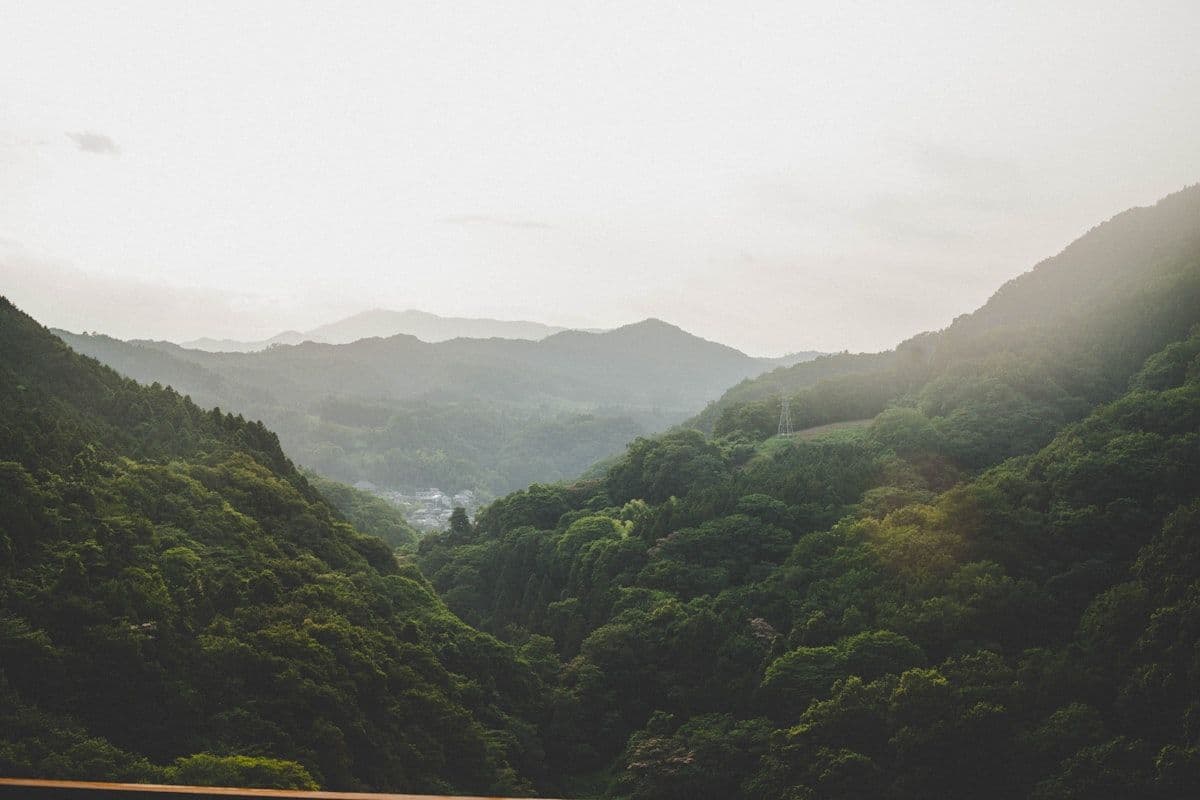
Continue north into Akita Prefecture toward Lake Tazawa, the deepest lake in Japan, and on to the Nyuto Onsen group in the hills above it. The hot-spring inns here are rustic and old, some with milky sulfur baths and thatched roofs, and a night at one is a different register of luxury from Ginzan: simpler, quieter, deeper in the woods. This is the second and final ryokan night in the standard plan, which keeps the budget sane.
Day 5: Kakunodate and Akita
Come down from the mountains to Kakunodate, a small town that preserves a street of samurai residences behind dark wooden walls and weeping cherry trees. Walk the bukeyashiki district in the morning, then take the Akita Shinkansen on to Akita city for the night, switching back to a business hotel. Akita is a working regional capital rather than a sight in itself, which makes it a comfortable, well-connected base.
Day 6: Morioka and the three noodles
Move east to Morioka in Iwate Prefecture, a city with an outsized food reputation. It is the home of three distinct noodle traditions: wanko soba served in endless small bowls, the chewy wheat noodles of jajamen, and Morioka reimen, a cold chewy noodle of Korean ancestry. Lunch is the event of the day. The old castle grounds and the riverside streets fill an unhurried afternoon.
Day 7: Hirosaki or Aomori
Take the Shinkansen north to Aomori Prefecture. Two endings compete here. Hirosaki offers a graceful castle and one of Japan's finest cherry-blossom parks, along with quiet streets of brick and timber. Aomori city offers the Nebuta Museum Wa Rasse, where the enormous illuminated floats of the summer festival are kept on display year-round, and a strong waterfront for seafood. Either makes a fitting last full day.
Day 8: Depart
On the eight-night plan, ride the Tohoku Shinkansen back down to Tokyo for an evening flight from Haneda, or close the loop to Sendai for a direct departure. Travelers on the shorter seven-night version simply compress Days 5 and 6 into one and exit a day earlier. Leave a generous buffer for the rail leg to the airport.
Seasonal variants worth planning around
Tohoku changes character completely across the year, and the same route delivers three different trips depending on when it is run. The fixed advice is to book ryokan and festival-period hotels far ahead, because supply is thin and the good rooms go first.
Cherry blossom, late April into May
Tohoku's bloom arrives weeks after Tokyo's, so late April and early May are the window when much of the country is already green. Hirosaki Park and the cherry tunnel at Kakunodate are the headline sights, and the timing makes this region a strategic choice for travelers who missed the southern bloom. Forecasts shift year to year; watch the predictions in late March.
Autumn foliage, October
October turns the mountain valleys and gorges across the region into deep reds and golds. The Naruko and Oirase gorges, the hills above Lake Tazawa, and the onsen valleys photograph beautifully, and the crisp air suits long soaks. Color moves from north to south and from high ground down, so a counterclockwise route can be timed to chase it.
Winter onsen and snow, December to February
Winter is when Ginzan Onsen and Nyuto Onsen reach full effect, snow piled against wooden inns and steam rising off outdoor baths. It is also festival-light and travel-heavy: check road and bus conditions in the mountains, and accept that some smaller services run reduced timetables. The reward is the version of Tohoku most travelers picture.
Practical planning for Taipei travelers
A few logistics decide how smoothly the trip runs. Most are easy to settle from Taiwan before departure.
Rail passes and budget tiers
Holders of non-Japanese passports can use JR East rail passes that cover the Shinkansen and most JR lines used in this itinerary. The product lineup was revised in early 2026, so confirm the current pass name, the number of valid days, and the price before buying, and weigh it against the individual fares for your exact route. On budget, the natural split is two ryokan nights for the onsen experience and business hotels elsewhere, which keeps costs predictable while preserving the highlights that justify the trip.
Connectivity, payment, and language
An eSIM activated before landing or a rented pocket wifi will keep maps and translation running where rural signage thins out. A rechargeable IC transit card handles local trains, buses, and many shops. Cash still matters in the mountains: small ryokan, rural buses, and family restaurants may not take cards, so carry yen for the onsen stretches. English signage is good at major stations and patchy beyond them, but a translation app and a written list of station names smooth over the gaps, and staff are used to helping.
Frequently Asked Questions
How many days do I need for a Tohoku trip from Taipei?
Seven to eight nights is the sweet spot for covering all six prefectures without rushing. It allows two onsen nights, the samurai town of Kakunodate, Morioka's noodles, and an Aomori or Hirosaki finish, while keeping each day's travel short. Shorter trips of four or five nights are workable if you focus on Sendai, Yamagata, and one northern highlight rather than the full loop.
Should I fly direct to Sendai or go via Tokyo?
Direct flights from Taipei Taoyuan to Sendai save the most time and put you in the heart of Tohoku within a few hours, but frequencies are seasonal, so they may not match every date. Flying into Tokyo and taking the Tohoku Shinkansen north adds a couple of hours but offers far more flight options and an easy Tokyo add-on. Compare current schedules and fares for your specific travel dates before deciding.
Is a JR rail pass worth it for this itinerary?
For a route this spread out, with several Shinkansen legs between Sendai, Akita, Morioka, and Aomori, a JR East pass usually pays for itself. The pass lineup was updated in early 2026, so check the current valid-day options and price, then add up the point-to-point fares for your exact plan to confirm. Only foreign-passport holders are eligible, which fits Taiwanese travelers.
When is the best time to visit Tohoku from Taiwan?
It depends on what you want. Late April into May brings cherry blossoms that have already faded farther south, making Tohoku a smart choice for late bloom. October delivers mountain foliage and comfortable hiking weather. December to February is peak onsen-in-the-snow season, atmospheric but colder and with reduced rural transport. Each season suits the same core route with minor adjustments.