Itinerary— all
Tohoku by Car: A Self-Drive Guide to Northern Japan
July 5, 2026
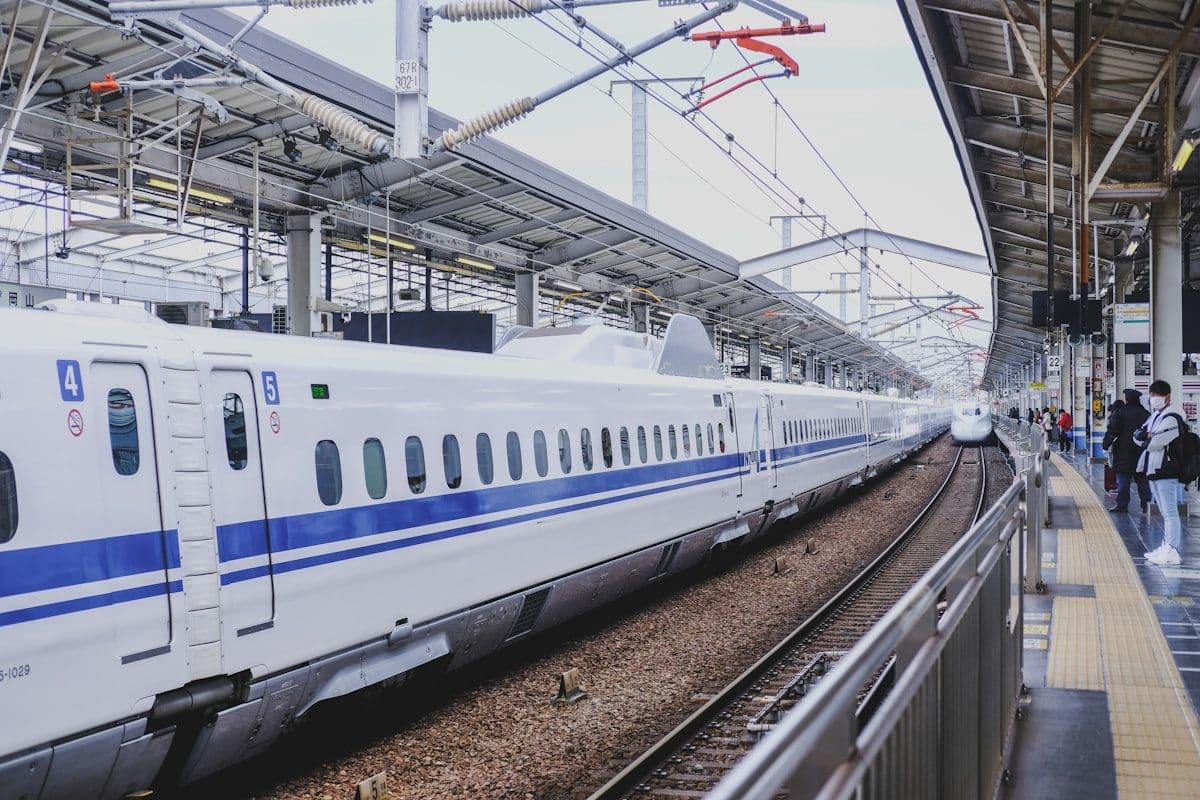
The shinkansen will carry you between Tohoku's cities at improbable speed. It will not, however, take you to the gorge, the crater lake, or the thatched hot-spring hamlet at the end of a forest road. For that, you need a car. A practical guide to renting and driving in northern Japan, where the best places are the hardest to reach.
The shinkansen will carry you between Tohoku's cities at improbable speed. It will not, however, take you to the gorge, the crater lake, or the thatched hot-spring hamlet at the end of a forest road.
This is the central tension of travel in northern Japan. The region's rail spine is excellent, but its finest places lie off it, scattered across mountains and coastline that public buses serve thinly and sometimes not at all. Exploring Tohoku by car is not a luxury for the rural traveler; it is frequently the only practical way to arrive. Understanding when to drive, when to leave the driving to the trains, and how to manage the particulars as a foreign visitor is what separates a smooth trip from a frustrating one.
Why Drive in Tohoku
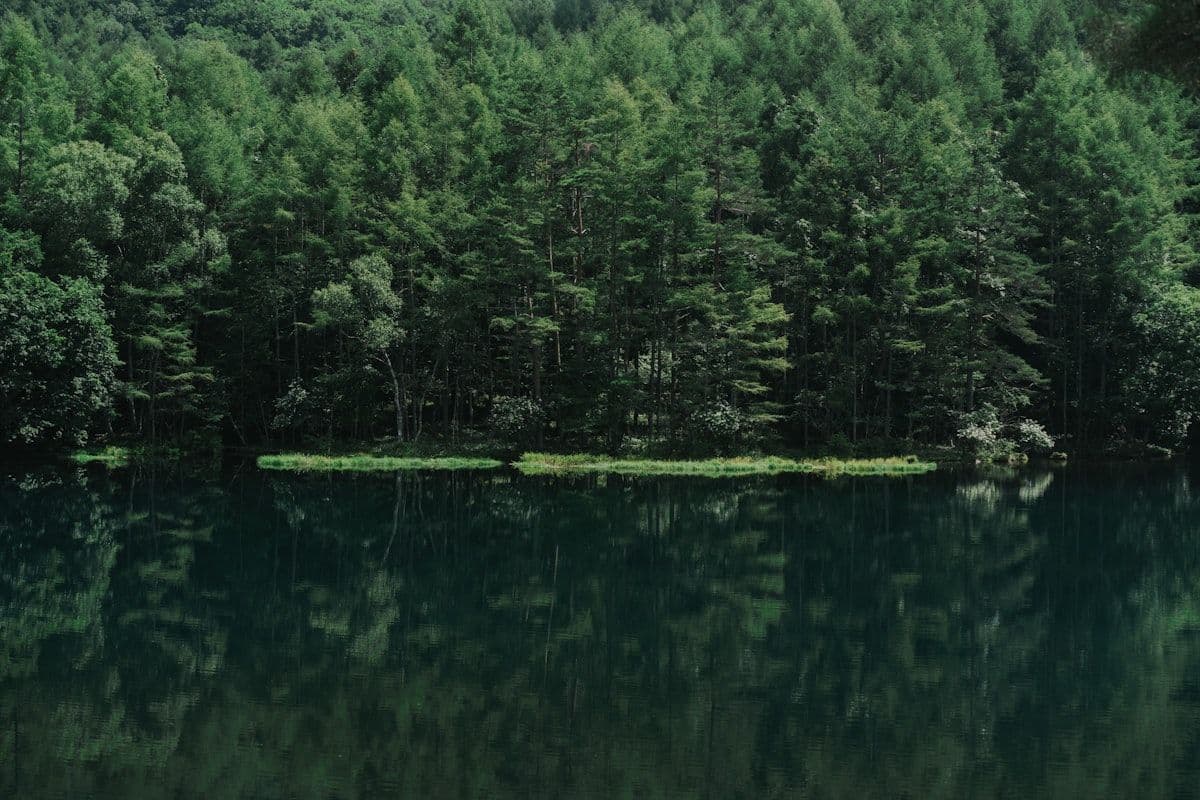
Tohoku rewards slowness, and a car is the instrument of slow travel. The places that define the region are precisely the ones a rigid timetable cannot reach. The Oirase Gorge unfolds along a stream that drains Lake Towada, its mossy boulders and small waterfalls best appreciated at a wandering pace; the buses that run the corridor are seasonal and infrequent. Above it rise the Hakkoda mountains, a landscape of alpine marsh and remote bathhouses. To the south, in Fukushima's Urabandai highlands, the Goshikinuma ponds shift through improbable blues and greens, each pond a short walk from a road that no train approaches.
The pattern repeats across the six prefectures. Nyuto Onsen, a cluster of weathered inns deep in the Akita mountains, sits at the end of a winding spur where a private vehicle dissolves the logistics that otherwise dominate a visit. The Sanriku coast in Iwate and Miyagi is a long ribbon of cliffs, fishing harbors, and tsunami-memory sites that a car threads together in a day, while the train and bus alternatives demand patience and frequent waiting. Ouchi-juku, the thatched-roof post town in southern Fukushima, and the craft towns scattered around Aizu and the Tsugaru plain are similarly stranded from convenient transit.
Driving also restores agency. A roadside field of soba flowers, an unmarked overlook, a michi-no-eki selling apples picked that morning — these are the texture of a region, and they are invisible from a train window. For travelers whose interest in Tohoku is its nature and its rural life rather than its cities, a car is less a convenience than a key.
Where the Car Wins and Where the Train Wins
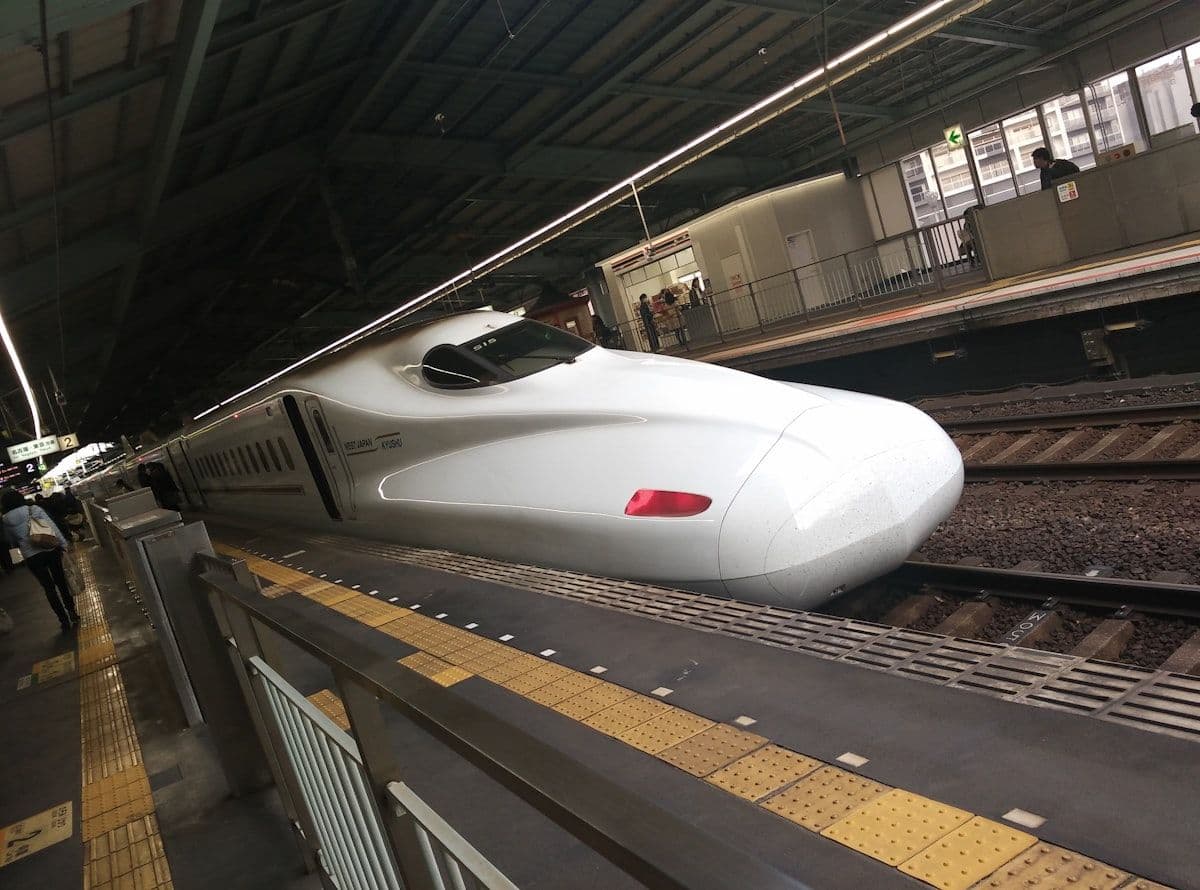
The honest case for driving in Tohoku comes with an equally honest set of limits. Between cities, the train is almost always the better choice. The Tohoku Shinkansen connects Tokyo, Sendai, Morioka, and Aomori at speeds and reliability that no car can match, and a long expressway haul up the spine of the region is slower, more tiring, and — once tolls and fuel are counted — often more expensive than a reserved seat. City driving compounds the disadvantage. Sendai's downtown is dense and one-way-laden, parking is metered and scarce, and a vehicle becomes a liability the moment you stop needing it to cover distance.
The car wins decisively in the spaces between and beyond the rail network: the national parks, the coastal routes, the onsen valleys, and the rural towns where bus departures can be counted on one hand each day. The most efficient trips treat these as different tools for different jobs rather than choosing one for the whole journey. A traveler who drives the rural legs and rides the rails between hubs gets the strengths of both and the weaknesses of neither — a strategy worth its own section below.
The Practicalities for Foreign Drivers
Driving legally in Japan as a visitor begins before you leave home. Japan recognizes the International Driving Permit issued under the 1949 Geneva Convention, and you must obtain this permit in your own country before arrival; it cannot be issued in Japan, and a foreign license alone is not sufficient for most nationalities. A handful of countries, including Switzerland, Germany, France, Belgium, Taiwan, and Monaco, fall outside the Geneva framework and require instead an official Japanese translation of the home license rather than an IDP. Carry the permit, your original license, and your passport whenever you drive.
Driving on the left
Japan drives on the left, with the steering wheel on the right. For visitors accustomed to right-hand traffic, the disorientation is sharpest at intersections, when turning, and when pulling out of a quiet road or a parking lot with no other traffic to imitate. Speeds are modest by international standards — expressways generally cap at 80 to 100 kilometers per hour, ordinary roads far lower — which leaves room to adjust. Most rental cars are automatics, removing the added complication of shifting with the left hand.
Tolls, ETC cards, and expressways
Itinerary
Tohoku by Rail: The Ultimate JR Pass Guide for First-Timers
Tohoku is easier to navigate by train than most visitors expect. Here's the complete guide to passes, routes, and what the rail network can and cannot do.
Tohoku's expressways are tolled and the charges add up over distance. Cars are fitted with an ETC reader that pairs with a contactless card to pay automatically at the gates; most rental agencies rent an ETC card for a small fee, and using one is far smoother than fumbling cash in a staffed lane. Ask for it at pickup. Some agencies also offer regional expressway passes aimed at tourists, which cap toll costs over a set number of days and can pay for themselves on a touring-heavy itinerary.
Navigation, car-navi, and mapcodes
Rental cars come with a Japanese satellite-navigation system, the car-navi, and the most reliable way to set a destination is not the address but the mapcode — a short numeric code that pins an exact location. Many Japanese attractions, hotels, and roadside stations publish their mapcodes precisely for this purpose; entering one avoids the ambiguity of Japan's address system. A phone running an international mapping app works as a capable backup, and most rental cars now offer English-language menus on the car-navi if you request the setting. Confirm the language and practice entering a mapcode before you leave the rental lot.
Gas stations and roadside stations
Fuel is sold at both full-service and self-service stands; at full-service stations an attendant will pump for you, and the words for regular gasoline, full tank, and cash or card are worth learning. Rural stations keep shorter hours and grow sparse in the mountains, so refuel before long empty stretches rather than after. The michi-no-eki, or roadside stations, are a particular pleasure of driving in Japan: government-designated rest stops that combine restrooms and parking with local-produce markets, regional food counters, and travel information. They make natural waypoints and are often the best place to eat and to discover what a district grows or makes.
A Serious Word About Winter
Tohoku gets real snow — among the heaviest in the inhabited world along the Sea of Japan side — and winter driving here is not a casual undertaking. From roughly December through March, mountain roads, onsen valleys, and rural routes can be packed with snow and ice, visibility falls in blizzards, and some passes close entirely. Winter tires are a legal and practical necessity in these conditions; a car on summer tires is genuinely dangerous, and reputable agencies fit winter tires as a matter of course in the cold months, sometimes with chains as well.
For a driver without substantial snow experience, the strong recommendation is simple: do not attempt a Tohoku self-drive in deep winter. The combination of unfamiliar left-side traffic, an unfamiliar car, narrow snow-walled roads, and conditions that humble even local drivers is a poor place to learn. Winter is the season when the hybrid approach truly comes into its own — ride the trains, which run reliably through snow, and let a local bus, a taxi, or an inn's shuttle handle the final icy stretch to the hot spring.
Suggested Loops and Routes
Touring Tohoku by car works best as a series of self-contained loops anchored to a hub you can reach by rail. Three stand out for first-time drivers, each rewarding across the green seasons from late spring through autumn.
The Aomori Towada–Hakkoda loop
From Aomori City or Hachinohe, a loop south takes in Lake Towada, a vast caldera lake, and the Oirase Gorge that drains it, then climbs into the Hakkoda mountains with their high marshes and remote bathhouses before returning to the coast. It is a compact circuit dense with scenery, and the gorge in particular asks for time on foot, so allow more than the map's driving figures suggest. Autumn brings some of the most celebrated foliage in the north.
The Fukushima Urabandai–Aizu loop
Centered on the Bandai highlands, this loop links the Goshikinuma ponds and the volcanic plateau of Urabandai with the castle town of Aizu-Wakamatsu and, further south, the thatched post town of Ouchi-juku. The scenic toll roads that climb Mount Bandai reward an unhurried pace, and the route weaves nature, samurai-era history, and craft towns into a satisfying few days. Koriyama or Aizu-Wakamatsu, both on the rail network, make convenient starting hubs.
The Sanriku coast drive
Along the Pacific edge of Iwate and Miyagi, a coastal drive strings together dramatic cliffs, fishing harbors, fresh seafood, and the sobering memorial sites of the 2011 tsunami. This is a linear route more than a loop, well suited to a one-way rental between coastal towns, and it pairs naturally with a shinkansen approach to Sendai, Ichinoseki, or Morioka and a transfer to the coast.
The Hybrid Train-and-Car Strategy
The most efficient way to see Tohoku is rarely all-train or all-car; it is both, in sequence. The hybrid approach uses the shinkansen for the long, fast trunk journeys between major hubs, then picks up a rental car locally for the rural leg where the train cannot follow. Ride to Aomori and rent a car there for the Towada–Hakkoda loop; ride to Akita or Tazawako and drive up to Nyuto Onsen; ride to Koriyama and tour the Bandai highlands by car before returning the vehicle and continuing by rail.
This pattern keeps a car out of the cities, where it is a burden, and puts it in the countryside, where it is indispensable. It also limits the most demanding driving to short, manageable stretches rather than marathon highway days, which matters all the more for a visitor adjusting to the left side of the road. Rental branches cluster at shinkansen stations and airports across the region, making the handoff between train and car straightforward to arrange.
Practical Tips
Reserve the car in advance, especially in autumn-foliage season and around national holidays, and request an ETC card and English car-navi at booking. Build in more time than route estimates imply: mountain roads are slow, and the whole point of driving is to stop. Carry some cash for the smaller parking lots, rural fuel stands, and michi-no-eki that may not take cards. Keep the fuel tank well above empty in the mountains, where stations thin out and close early. Park only in marked spaces — Japanese enforcement is consistent — and remember that at unmanned country intersections you may be the only car for miles, which is exactly when the habit of driving on the left needs the most deliberate attention.
Frequently Asked Questions
Do I need an International Driving Permit to drive in Tohoku?
For most nationalities, yes. Japan accepts the International Driving Permit issued under the 1949 Geneva Convention, and you must obtain it in your home country before you arrive, as it cannot be issued in Japan. A few countries outside that convention — among them Switzerland, Germany, France, Belgium, Taiwan, and Monaco — instead need an official Japanese translation of the home license. Always carry the permit or translation together with your original license and passport.
Is it safe to drive in Tohoku in winter?
Only with real snow-driving experience and a properly equipped car. Tohoku receives some of the heaviest snowfall in Japan, and from December through March many roads are icy or snow-packed, with reduced visibility and occasional closures. Winter tires are essential and reputable rental agencies fit them in season. For drivers unaccustomed to snow, the safer choice is to rely on the trains, which run dependably through winter, and reach onsen or rural sites by local bus, taxi, or inn shuttle.
When should I take the train instead of driving in Tohoku?
Take the train for city-to-city travel along the rail spine. The Tohoku Shinkansen links Tokyo, Sendai, Morioka, and Aomori faster, more cheaply, and more comfortably than any car, and driving into city centers means dense traffic and costly, scarce parking. A car earns its keep only beyond the rails — in the national parks, along the coast, and in the rural towns and onsen valleys that buses serve poorly.
What is a mapcode and why does it matter for navigation?
A mapcode is a short numeric code that identifies a precise location for the in-car navigation system, the car-navi. Because Japanese addresses can be ambiguous to enter, many attractions, inns, and roadside stations publish their mapcode so drivers can set an exact destination without confusion. Look up the mapcodes for your planned stops before setting out, and confirm at the rental lot how to enter them and how to switch the car-navi to English.