Itinerary— all
Tohoku on a Budget: How to See Northern Japan for Less
July 7, 2026
Tohoku is quietly one of the best-value regions in Japan. This guide to Tohoku budget travel covers passes, lodging, food, and the free experiences that make the north so affordable.
Northern Japan is cheaper than the rest of the country, and almost no one talks about it.
The conversation about budget travel in Japan tends to orbit the same overcrowded centers: how to survive Tokyo on a shoestring, how to find a cheap bed in Kyoto, how to eat in Osaka without going broke. Tohoku rarely enters the frame. That omission is precisely why it deserves attention. The six prefectures north of the capital see a fraction of the foreign visitors that the Golden Route absorbs, and the math of supply and demand follows accordingly. Lodging costs less. Restaurant meals cost less. The crowds that inflate prices around the famous temples and stations simply are not here. For the traveler willing to look past the obvious, Tohoku budget travel is not an exercise in deprivation but a region that happens to be inexpensive while remaining genuinely worth seeing.
None of this requires hardship. A careful traveler can move through all six prefectures, sleep in hot-spring inns, eat regional specialties, and still spend less per day than a comfortable trip to Kyoto would demand. What follows is where the savings actually live.
Why Tohoku Is Such Good Value
Value, in travel terms, is the gap between what a place costs and what it delivers. Tohoku widens that gap in the visitor's favor for a simple structural reason: tourism here is thinner and more domestic. International arrivals concentrate overwhelmingly on Tokyo, Kyoto, Osaka, and increasingly Hokkaido. The Tohoku region absorbs comparatively few, which means hotels do not price for scarcity, restaurants do not price for a captive tourist audience, and the seasonal surges that distort costs elsewhere are gentler and more predictable.
The practical consequences are easy to feel. A business hotel room that would command a premium near a major Tokyo station can be had in Morioka or Akita for noticeably less. A bowl of regional noodles costs what a local would expect to pay, not what a souvenir district imagines a tourist will tolerate. Even the region's hot-spring inns, often assumed to be a luxury, frequently undercut the combined cost of a city hotel and two restaurant meals. The savings are not the product of cutting corners. They are the baseline.
There is a second, quieter dividend. The things that cost the most in tourist economies, namely access and exclusivity, are abundant and free here. Empty trails, uncrowded onsen towns, and festival streets you can stand on without a reservation are the rule rather than the exception.
Saving on Transport: Passes, Buses, and the Rental Car Question
Transport is where a Tohoku itinerary is won or lost financially, and the right choice depends entirely on how much ground a traveler intends to cover and how fast.
When a rail pass earns its keep
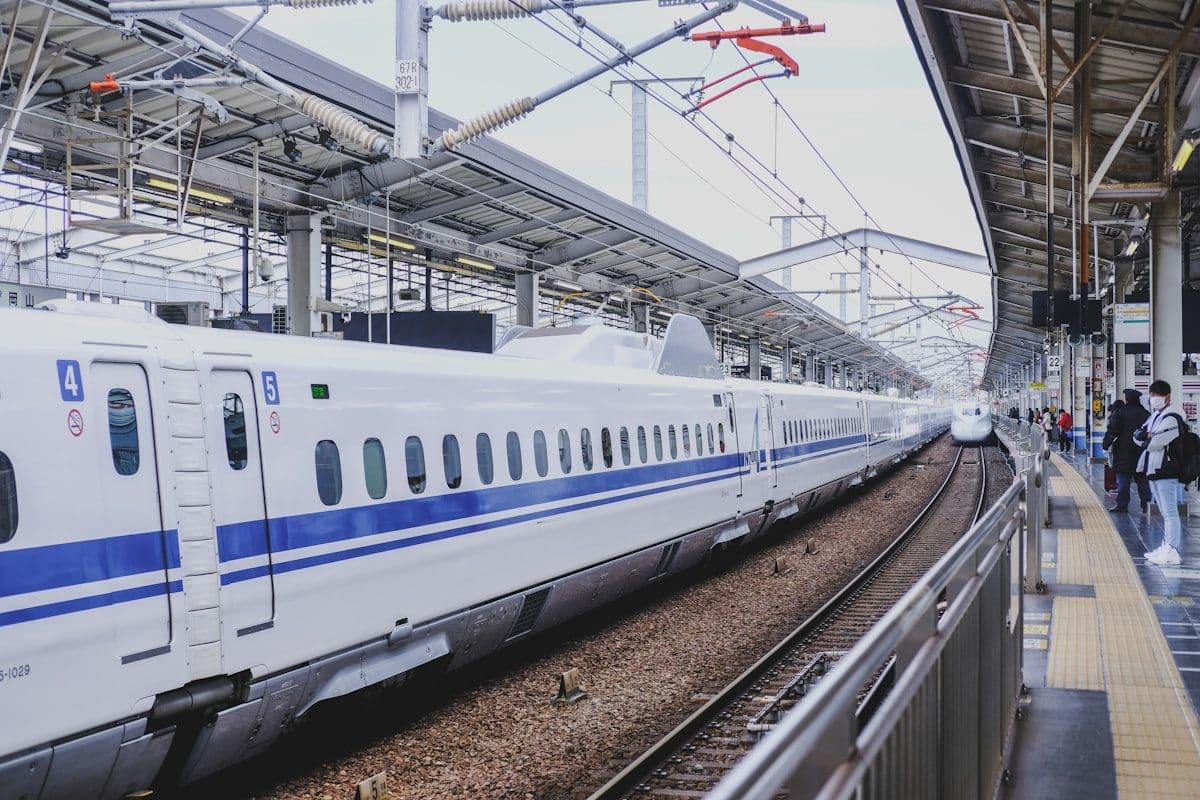
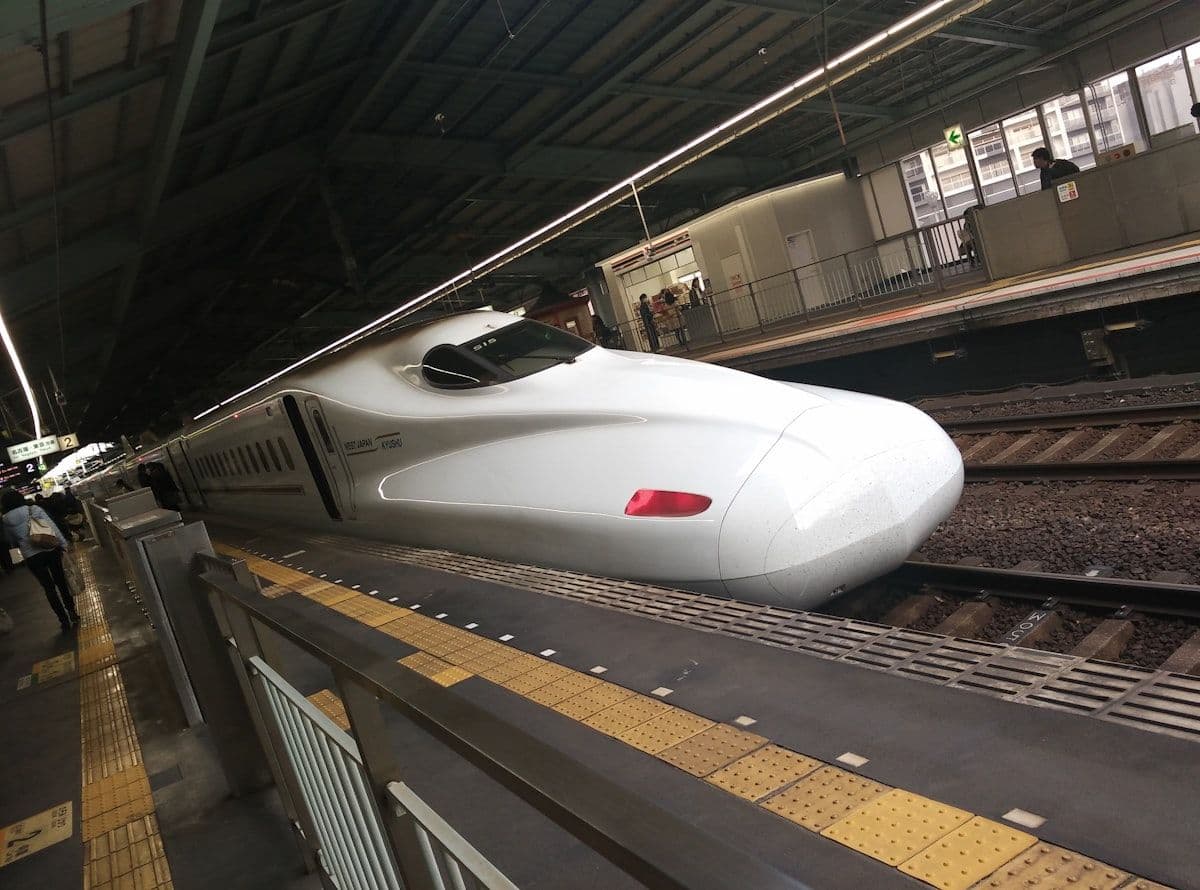
The JR East Tohoku Area Pass offers several consecutive days of unlimited travel on the region's shinkansen and most local lines for a fixed price, typically in the region of 30,000 yen. The arithmetic is straightforward. A single round trip on the Tohoku Shinkansen between Tokyo and somewhere far north already approaches that figure, so a traveler planning to bounce between, say, Sendai, Morioka, Aomori, and Akita within the validity window will clear the break-even point easily. Those continuing across the strait should weigh the JR East South Hokkaido Pass, which extends the same logic to the Hokkaido Shinkansen and the run up toward Hakodate; it pays for itself only if Hokkaido is genuinely part of the plan and the shinkansen leg is used.
The discipline a pass requires is honesty about the itinerary. A traveler who intends to settle in one or two places, taking a single long ride in and out, will almost always do better with point-to-point tickets than with unlimited travel that goes unused. The pass rewards motion; a slow trip does not need it.
The overnight bus and the local train
Highway buses are the region's great underpriced secret. An overnight coach from Tokyo to Sendai costs a fraction of the equivalent shinkansen fare, often in the rough range of 3,000 to 6,000 yen depending on the operator and how far ahead the seat is booked. The journey doubles as a night's lodging, which compounds the saving. The trade is comfort and time, but for a flexible traveler the overnight bus quietly removes one of the trip's largest line items. Within the region, ordinary local trains, slower and unreserved, cost far less than the shinkansen and pass through landscapes the express services blur past.
Where a rental car changes the calculation
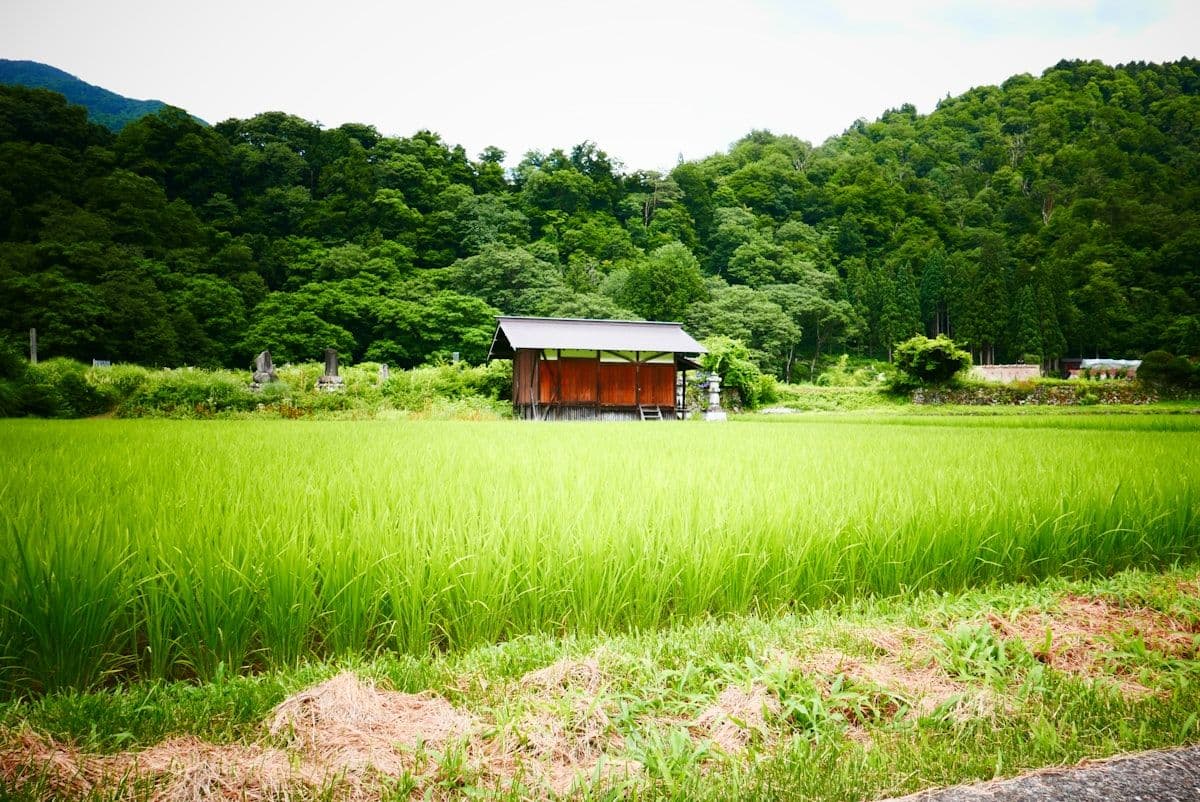
Much of Tohoku's best scenery, the marshlands, the lakes, the smaller onsen villages, sits away from the rail network, served by infrequent buses if at all. For a group of three or four, splitting a rental car often costs less per person than piecing together trains and taxis, and it unlocks places public transport reaches awkwardly or not at all. For a solo traveler the car rarely pencils out; for a group it frequently does, converting the region's inconvenient interior into the cheapest scenery of the trip.
Itinerary
Tohoku by Rail: The Ultimate JR Pass Guide for First-Timers
Tohoku is easier to navigate by train than most visitors expect. Here's the complete guide to passes, routes, and what the rail network can and cannot do.
Affordable Lodging, Including the Ryokan Surprise
Sleeping cheaply in Tohoku is easy. Sleeping well and cheaply is the more interesting trick, and it leads to a counterintuitive conclusion about hot-spring inns.
Business hotels, hostels, and capsules
The business hotel is the backbone of budget travel across Japan, and in Tohoku it is both plentiful and inexpensive. Clean single rooms cluster around the main stations in Sendai, Morioka, Akita, Aomori, Yamagata, and Fukushima, frequently with a simple breakfast included. Sendai, the region's largest city, also offers capsule hotels and no-frills business chains for travelers who want a bed and nothing more. Guesthouses and hostels have multiplied in the onsen and castle towns, offering dormitory beds for a modest sum and, often more valuably, hosts who know which local bus actually runs.
Why a ryokan can beat a hotel
The assumption that a hot-spring ryokan is a splurge collapses under inspection. A mid-range onsen ryokan that includes dinner and breakfast in its rate is frequently better value than a hotel room paired with two restaurant meals. The dinner is typically an extended multi-dish spread of local ingredients, the breakfast is generous, and the bath is included rather than billed. Reckon the cost of a comparable dinner and breakfast eaten out, add the hotel room, and the ryokan often wins outright while delivering an evening that is itself the destination. The key qualifier is mid-range: the famous luxury inns price for their reputation, but the ordinary town ryokan does not.
Toji and the long-stay tradition
For the truly economical, Tohoku preserves the old custom of toji, the long therapeutic hot-spring stay. Certain onsen offer simple, self-catering rooms at low nightly rates designed for guests settling in for many days, a model that rewards slow travel with very low daily costs. At the opposite end of the spectrum, large family resorts of the Spa Resort Hawaiians type bundle accommodation, baths, and entertainment into package rates that can be efficient for families who want everything in one place.
Eating Well for Less
Tohoku eats cheaply by nature, partly because so much of its celebrated food is humble by design. The region is a heartland of what Japan calls B-grade gourmet: regional specialties that are beloved precisely because they are unpretentious and inexpensive.
The noodle traditions alone could anchor a budget itinerary. Morioka claims three distinct noodle styles, all modestly priced. Kitakata in Fukushima is a ramen town of national reputation, where a famous bowl costs no more than an ordinary one elsewhere. Yokote in Akita built its name on yakisoba, fried noodles topped with a fried egg, sold for pocket change. These are not tourist set pieces; they are everyday food that happens to be excellent.
The structure of Japanese dining favors the frugal traveler who eats at the right hour. The teishoku, or set lunch, delivers a complete meal, often the same kitchen's dinner fare, at a sharply lower midday price. Eating the main meal at lunch and something lighter in the evening is one of the simplest savings available. Roadside michi-no-eki stations sell local produce and cooked regional dishes at prices set for residents, and they double as rest stops for anyone with a rental car. Supermarkets and convenience stores round out the picture, with hot meals and discounted prepared food late in the day. Markets and the region's many sake breweries frequently offer free tastings and samples, and during festival season the streets fill with inexpensive stall food.
Free and Cheap Experiences
The most persuasive argument for Tohoku as a value destination is how much of its best material costs nothing at all.
The great summer festivals, among the most spectacular events in the Japanese calendar, are free to watch. Paid grandstand seats exist, but the parades themselves pass through public streets, and standing among the crowd costs only the effort of arriving early. Onsen towns scattered across the region maintain public footbaths, free to use, where travelers soak tired feet without paying for a room. The natural landscape, the most expensive thing to access in many countries, is simply open here. The Oirase Gorge stream walk in Aomori, the colored ponds of Goshikinuma in Fukushima, and the high marshes of the Hakkoda mountains ask nothing more than the cost of getting there.
Beyond the headline sights, the everyday infrastructure of Japanese public life rewards the careful traveler. Castle grounds and parks are typically free even where the reconstructed keep charges admission. Temples and shrines welcome visitors at no cost or for a small donation. The pattern is consistent: in Tohoku, the entrance fee is the exception, not the rule.
Timing Your Trip for Savings
When a traveler goes matters nearly as much as how. Tohoku's lodging prices are not flat across the year, and the spikes are predictable enough to plan around.
The two reliable surges are festival weeks in early August and the cherry-blossom peak in spring. During the major summer festivals, rooms in the host cities sell out months ahead and command premiums; a traveler can still attend by sleeping a train ride away in a quieter town and commuting in for the evening. The blossom peak, which in much of Tohoku falls later than in central Japan, similarly inflates prices in the famous viewing spots. Arriving a week to either side of the absolute peak preserves most of the spectacle at a fraction of the cost.
The shoulder seasons, late spring after the blossoms, early summer before the festivals, and the quieter stretches of autumn, offer the region's best combination of pleasant conditions and soft prices. Winter is its own proposition: deep snow raises the appeal of the onsen and lowers the appeal of the trails, and lodging outside the ski areas is often at its cheapest.
A Rough Daily Budget
Concrete numbers help, with the caveat that they are typical ranges rather than promises. A shoestring traveler, sleeping in hostel dormitories or capsules, eating teishoku lunches and convenience-store dinners, and moving on local trains and buses, can plausibly keep daily spending in the rough range of 5,000 to 8,000 yen excluding long-distance transport. A comfortable-budget traveler, alternating business hotels with the occasional mid-range ryokan, eating regional specialties at sit-down restaurants, and using a mix of shinkansen and local services, might reckon on something in the range of 12,000 to 20,000 yen per day. Both tiers buy a fuller experience than the same money would purchase along the crowded Golden Route, which is the entire point.
A few habits stretch either budget further. Book overnight buses and rental cars early, when the cheapest fares are still available. Travel in a small group where a car is involved, since the per-person cost falls fast. Eat the main meal at midday. Choose ryokan that bundle two meals rather than paying separately for room and restaurant. And resist the instinct to overbuy a rail pass: match the pass to the itinerary, not the itinerary to the pass.
Frequently Asked Questions
Is Tohoku really cheaper than Kyoto or Tokyo?
Generally, yes, particularly for lodging and food. Because Tohoku receives far fewer international visitors, hotels and restaurants price for a largely domestic market rather than for tourist demand. Comparable business hotel rooms and restaurant meals tend to cost noticeably less than their equivalents in the most heavily visited cities, and the seasonal price spikes are smaller and more predictable.
Is the JR East Tohoku Area Pass worth buying?
It depends on how much you move. The pass pays for itself for travelers covering long distances on the shinkansen across several cities within its validity window, since a single long round trip already approaches its price. For a slower trip centered on one or two places, point-to-point tickets usually cost less. Decide your route first, then check whether the pass beats buying tickets individually.
How can a hot-spring ryokan be a budget option?
A mid-range onsen ryokan typically includes both dinner and breakfast in its nightly rate, and the dinner alone is a substantial multi-dish meal of local ingredients. When you total the cost of a hotel room plus two comparable meals eaten out, the all-inclusive ryokan often comes out cheaper while also providing the bath and the evening's main experience. The savings apply to ordinary town ryokan rather than the famous luxury inns.
When is the cheapest time to visit Tohoku?
The shoulder seasons offer the best balance of price and conditions: late spring after the cherry blossoms, early summer before the August festivals, and quieter stretches of autumn. Avoid the major festival weeks in early August and the cherry-blossom peak, when lodging in the popular spots sells out and prices climb. Staying one town away from a festival city and commuting in keeps costs down without missing the event.