Itinerary— all
Authentic Japan Travel: Where to Find It (and Why It's in Tohoku)
June 2, 2026
Authentic Japan travel has become a marketing phrase. This is an honest look at what authenticity means now, why the famous routes have lost it, and where in Tohoku it survives.
"Authentic" is the most overused word in Japan travel. It is applied to gift shops, to set-menu restaurants, to experiences designed and priced for the people seeking authenticity. The word has been worn smooth. But the thing it points at is real, and it is becoming harder to find.
Authentic Japan travel, stripped of marketing, means encountering a place that has not been reorganised around your presence. By that definition, much of Japan's famous itinerary no longer qualifies — and much of Tohoku still does.
What "Authentic" Should Mean
Authenticity in travel is not about age, or tradition, or the absence of modern life. A vending machine on a rural station platform is authentic. A thatched farmhouse rebuilt as a museum café is not, however old its timbers. The distinction is whether a place is still doing the thing it was made to do, for the people it was made to serve, or whether it has been converted into a performance of itself for visitors.
By this measure, a hot spring that locals still soak in after work is authentic; one that has installed a ticket gate and a photo spot is on its way to being something else. A festival that a town holds for itself is authentic; one staged on a schedule convenient for tour buses is a show. The difference is felt immediately, even when it is hard to name.
Why the Famous Routes Lost It
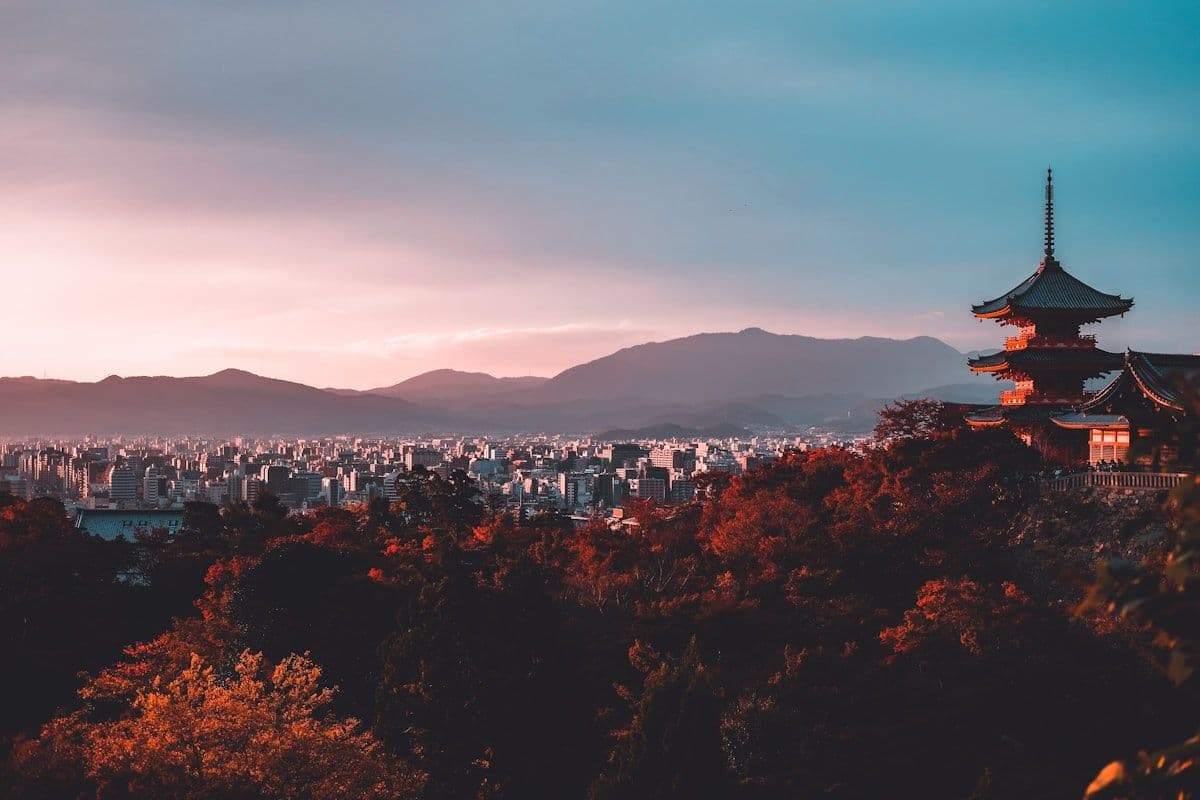
The Golden Route — Tokyo, Kyoto, Osaka — did not lose its authenticity through any failing of its own. It lost it through success. When tens of millions of visitors a year move through the same few districts, those districts adapt. Restaurants print picture menus and add service charges for the counter. Temples install crowd control. Geisha districts post signs asking tourists not to chase the residents. None of this is fake, exactly; it is the rational response of a place to overwhelming demand. But it changes the texture of the encounter.
Kyoto in particular has become a case study in what happens when a city's authenticity becomes its product. The very travellers seeking the real Kyoto are the force that crowds it out. There is no solution to this within Kyoto. The only solution is to go somewhere that has not yet reached that point.
Itinerary
The Case for Visiting Tohoku Before Everyone Else Does
Everyone who has been to Tohoku says the same thing: I had no idea. Here is the argument for going before that changes.
Why Tohoku Still Has It
Tohoku has retained its authenticity for an unromantic reason: it was never discovered in the first place. The region receives a small fraction of Japan's foreign visitors. Its hot springs, festivals, and craft towns were built for and are still used by domestic travellers and locals. Nothing has been reorganised around an international audience, because the international audience has not arrived.
This produces specific, repeatable experiences. At Nyuto Onsen, the outdoor baths are full of Japanese guests who came for the water, not the photograph. At the Kanto Festival in Akita, the lantern-balancers are performing a skill their fathers taught them, not a routine designed for visitors. In Kakunodate, descendants of samurai families still live in the houses tourists walk past. The region is not preserving these things for you. It is simply still living them.
How to Travel Authentically in Tohoku
The way to find the real thing is partly a matter of where and partly a matter of how. Stay in family-run ryokan rather than international hotels. Eat where the menu is only in Japanese, using a translation app without embarrassment. Take the local train one stop past the famous station. Visit festivals and onsen on weekdays, in shoulder seasons, away from the few dates everyone knows.
It also requires a change of posture. Authentic travel asks the visitor to adapt to the place rather than expecting the place to adapt to the visitor — to accept that explanations may be limited, that things may not be optimised for convenience, that some friction is the price of the real. In Tohoku that friction is mild and the reward is large.
The Window Is Open Now
Authenticity is fragile, and Tohoku's is not guaranteed to last. Japan's tourism agencies are actively promoting regional dispersal, and the same dynamics that changed Kyoto could, in time, change the north. Ginzan Onsen has already had a taste of viral attention. The window in which Tohoku can be experienced before it is rearranged for visitors is open now, and it will not stay open indefinitely.
That is the real argument for authentic Japan travel: not that the north is more genuine in some timeless way, but that it is genuine right now, and that "right now" is the only time anyone ever gets to travel.
Questions Travelers Ask About Authentic Japan Travel
Where can you find authentic Japan away from the crowds?
Tohoku, the northern region of Honshu, is the clearest answer. Its hot springs, festivals, and craft towns are still used by locals and domestic travellers rather than reorganised for international tourism, because foreign visitors remain rare.
Is Kyoto no longer authentic?
Kyoto remains deeply historic, but overwhelming visitor numbers have changed the texture of its most famous districts. Authentic encounters are still possible there, but they require effort and timing that less-visited regions like Tohoku do not.
How do you travel authentically in Japan?
Stay in family-run ryokan, eat where menus are only in Japanese, take local trains beyond the famous stops, and visit on weekdays and in shoulder seasons. Above all, adapt to the place rather than expecting it to adapt to you.