Itinerary— all
Aomori Travel Guide: Japan's Northernmost Honshu Frontier
June 3, 2026
An Aomori travel guide to the top of Honshu: the Oirase Gorge and Lake Towada, Hirosaki's castle and apples, the Hakkoda mountains, the haunting Osorezan, and the best tuna in Japan.
Aomori is where Honshu ends. The prefecture occupies the northern tip of Japan's main island, splitting into two peninsulas that reach toward Hokkaido like a pair of pincers around Mutsu Bay. It is the snowiest prefecture in a snowy region, the apple capital of Japan, and the source of the country's most prized bluefin tuna. It is also, for most of the year, almost empty of foreign visitors.
This Aomori travel guide covers the prefecture beyond its famous August festival — the gorges, mountains, peninsulas, and coastal towns that reward travellers in every season.
Oirase Gorge and Lake Towada
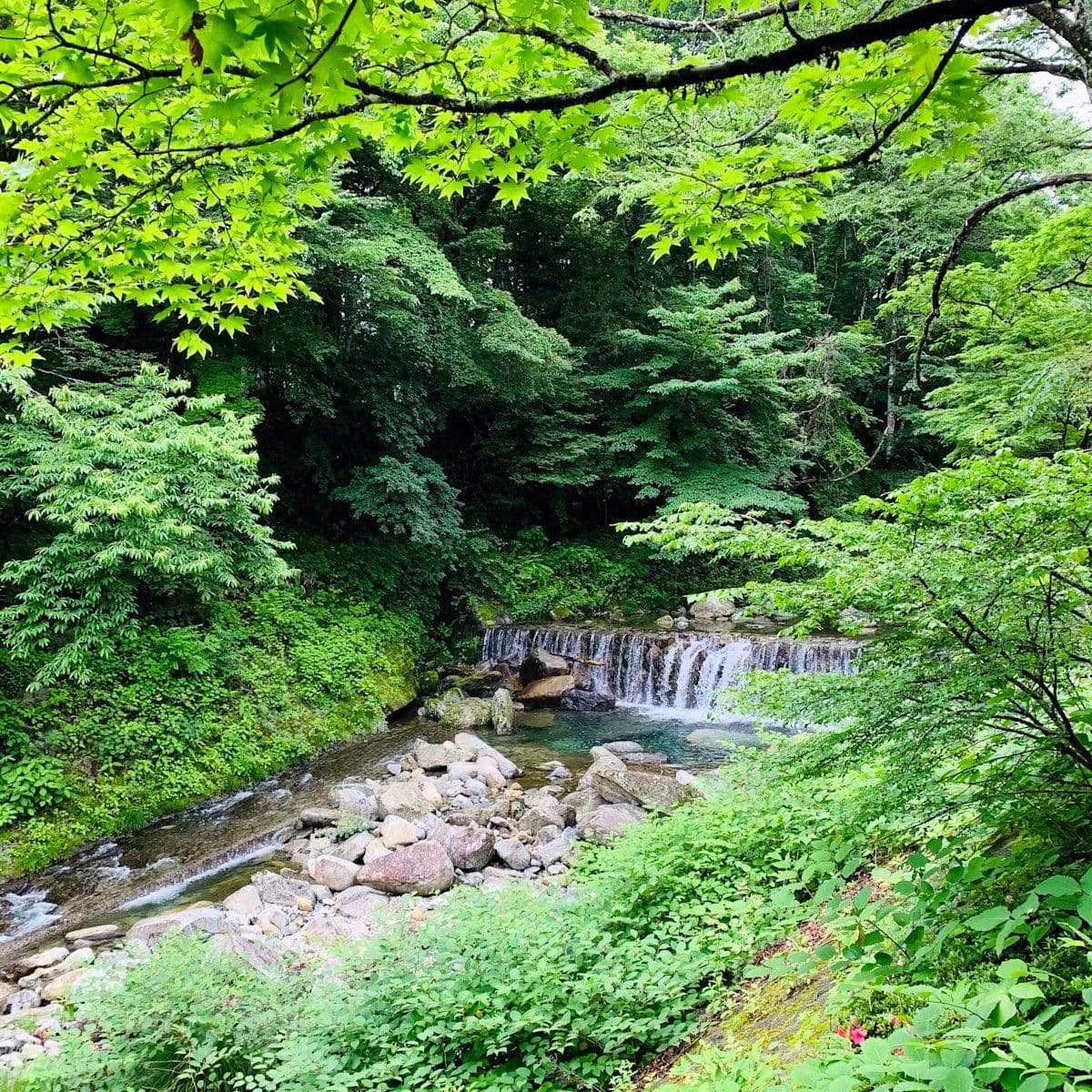
The Oirase Gorge is Aomori's signature landscape: a fourteen-kilometre stream running through old-growth forest, with a level walking path beside the water for much of its length. The combination of an easy trail and dramatic scenery — moss-covered rocks, waterfalls, a fast clear river — is rare in Japanese mountain country. The gorge is at its most famous in autumn, when the canopy turns, but it is beautiful from late spring through the green of summer.
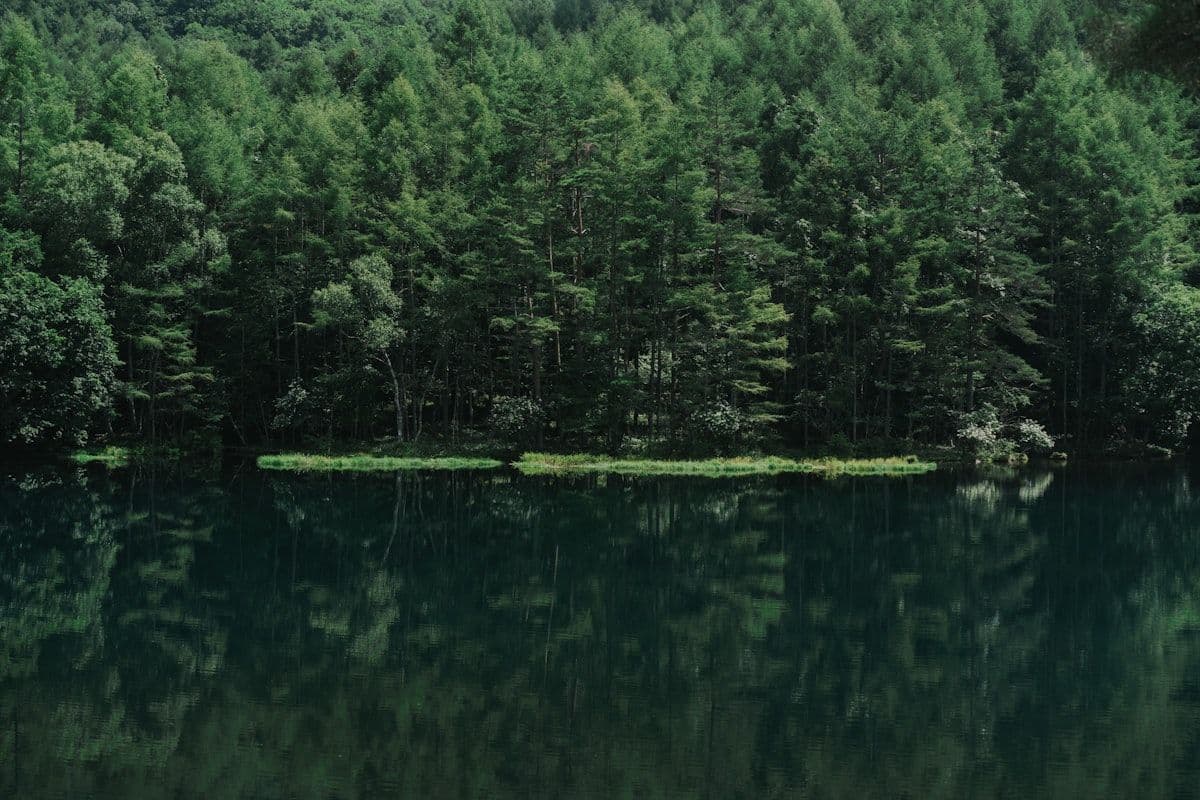
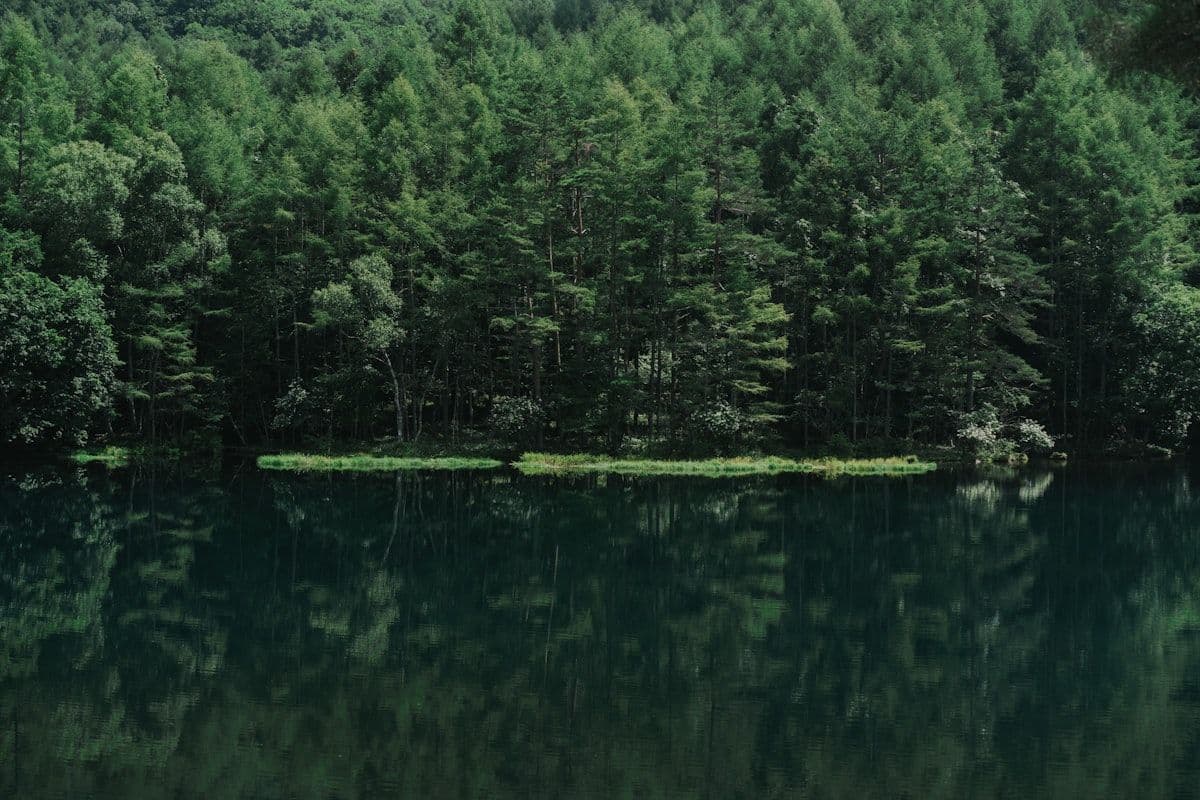
The stream flows from Lake Towada, a caldera lake of extraordinary depth and clarity at 400 metres elevation. The lake fills an old volcanic crater and has a stillness that comes from its enclosed geology. Boat cruises run across it in the warmer months, and the shoreline road offers viewpoints over water that shifts from deep blue to near-black as the light changes.
Hirosaki: Castle, Cherries, and Apples
Hirosaki, in the western Tsugaru region, was the castle town of the Tsugaru clan and retains a small original castle keep within a large park. In late April and early May the park's 2,600 cherry trees produce one of Japan's most celebrated blossom displays, with petals carpeting the moat in a way that draws photographers from across the country. Outside blossom season the park is quiet and the castle town's western-influenced Meiji-era architecture rewards a walk.
Hirosaki is also the heart of Japanese apple country. Aomori grows the majority of the nation's apples, and the orchards around the city produce fruit sold at prices that astonish first-time visitors — single premium apples presented in gift boxes. The Hirosaki Apple Park allows visitors to pick directly from the trees from August into autumn.
Nature
Lake Towada and the Oirase Valley: A Two-Day Nature Itinerary for Aomori
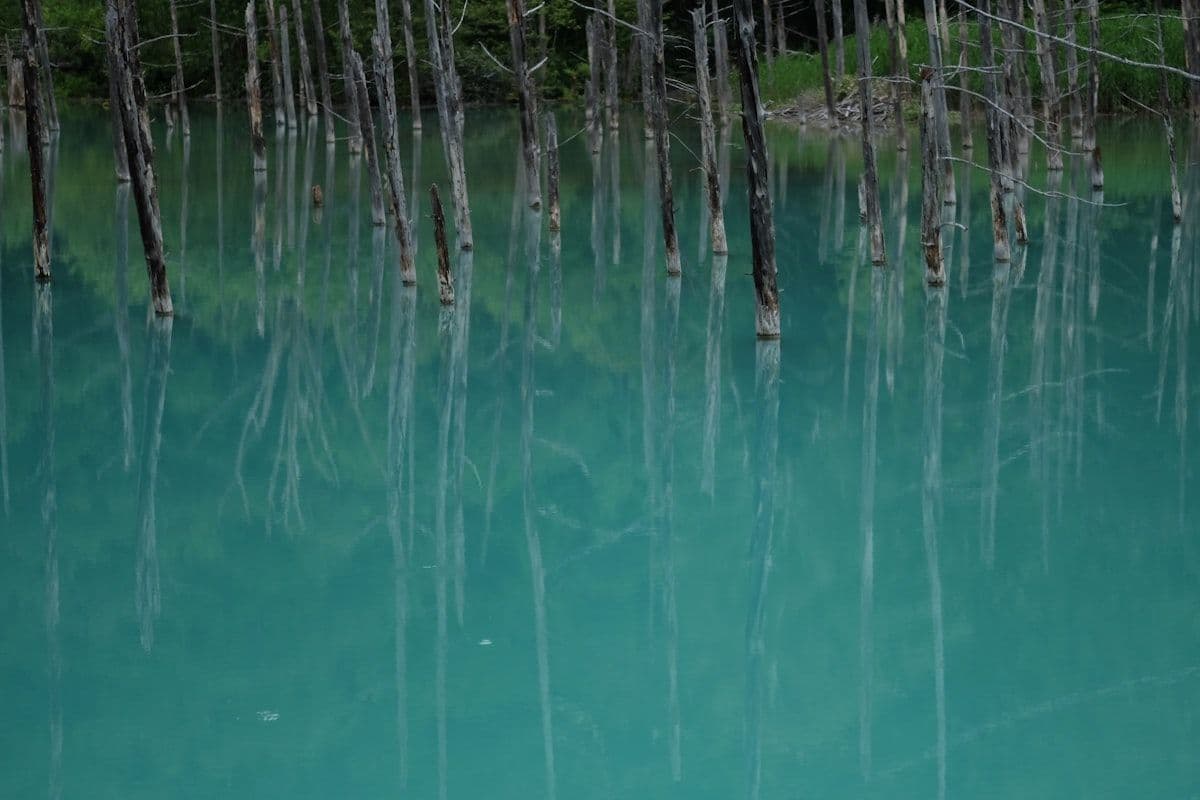
Lake Towada and the Oirase Gorge are Aomori's finest natural sites. Here's how to see both properly in two days.
The Hakkoda Mountains and Sukayu Onsen
South of Aomori city, the Hakkoda mountains rise to volcanic peaks laced with hiking trails in summer and buried under some of Japan's deepest snow in winter, when they grow their own frost-covered trees to rival those of Zao. A ropeway carries visitors up year-round. At the foot of the range sits Sukayu Onsen, famous for its vast cypress-walled mixed bath — the "thousand-person bath" — fed by an acidic spring that has drawn bathers for over three centuries.
The Hakkoda area carries a sombre history as the site of a 1902 army expedition that ended in mass death in a blizzard, a story every Japanese visitor knows. It lends the snowfields a gravity that the scenery alone would not.
The Shimokita Peninsula and Osorezan
The axe-shaped Shimokita Peninsula, reaching toward Hokkaido in the northeast, is one of the remotest corners of Honshu. At its centre lies Osorezan — "Mount Fear" — a volcanic caldera long regarded in Japanese folk belief as an entrance to the underworld. The landscape is genuinely otherworldly: bare sulphurous ground, steaming vents, a still crater lake whose pale shore is called the beach of paradise. A temple occupies the site, and mediums are said to gather there to relay messages from the dead during its summer festival.
Shimokita is hard to reach and rewards the effort with a sense of arrival at the edge of things. It is for the traveller with time and curiosity rather than the first-timer on a tight schedule.
Seafood, and Getting to Aomori
Aomori is one of Japan's great seafood prefectures. The bluefin tuna of Oma, caught in the fierce currents of the Tsugaru Strait, is the most prized in the country and commands record prices at Tokyo auctions. At Aomori city's covered markets, visitors can assemble their own seafood rice bowls from stalls selling tuna, scallops, sea urchin, and squid at a fraction of city-restaurant prices.
Shin-Aomori Station is the northern terminus of the Tohoku Shinkansen, about three hours from Tokyo. Aomori Airport connects to Tokyo and other cities in around 80 minutes. Within the prefecture, a rental car is the most efficient way to reach the gorge, the mountains, and the peninsulas, though buses serve the main routes seasonally.
Questions Travelers Ask About Aomori
What is Aomori best known for?
Aomori is known for the Nebuta Festival in August, the Oirase Gorge and Lake Towada, Hirosaki's cherry blossoms and apples, the Hakkoda mountains, and the bluefin tuna of Oma. It sits at the northern tip of Honshu, across the strait from Hokkaido.
How do you get to Aomori from Tokyo?
Take the Tohoku Shinkansen to Shin-Aomori, about three hours from Tokyo, or fly to Aomori Airport in roughly 80 minutes. A rental car is the most efficient way to explore the gorge, mountains, and peninsulas once there.
When is the best time to visit Aomori?
August for the Nebuta Festival and summer hiking, autumn for the Oirase Gorge's colour, late April to early May for Hirosaki's cherry blossoms, and winter for deep snow and hot springs. Each season offers a distinct experience.