Nature— autumn
Oirase Gorge in Autumn: How to Walk Japan's Most Spectacular Leaf-Viewing Trail
May 16, 2026
In October, Oirase Gorge becomes something else entirely. Here is how to walk Japan's finest autumn forest trail.
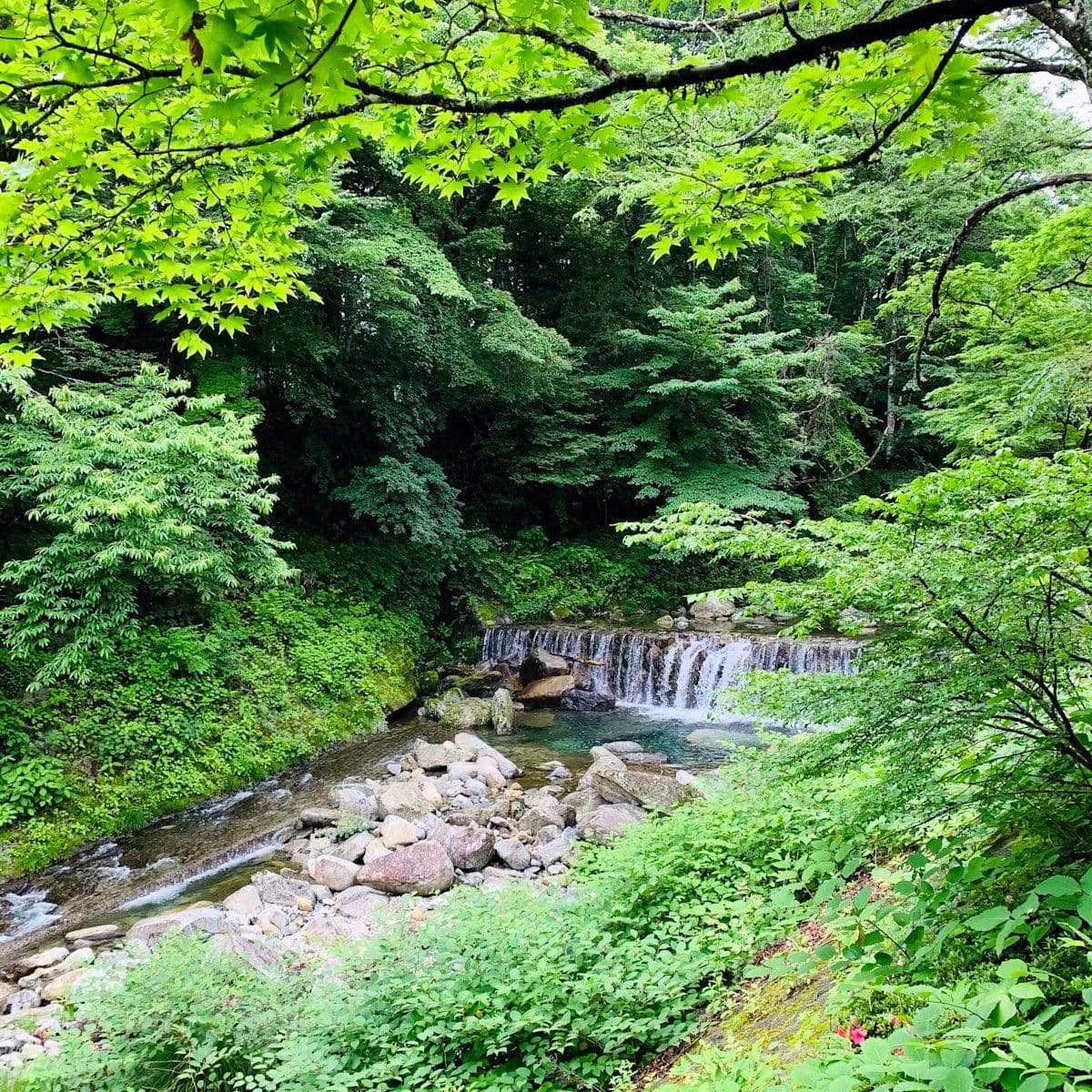
Oirase Gorge is worth visiting in every season. In summer, the river is full and the old-growth forest is dense and cool. In winter, ice formations build along the riverbanks and the waterfalls partially freeze. In spring, the first green appears against the grey rock.
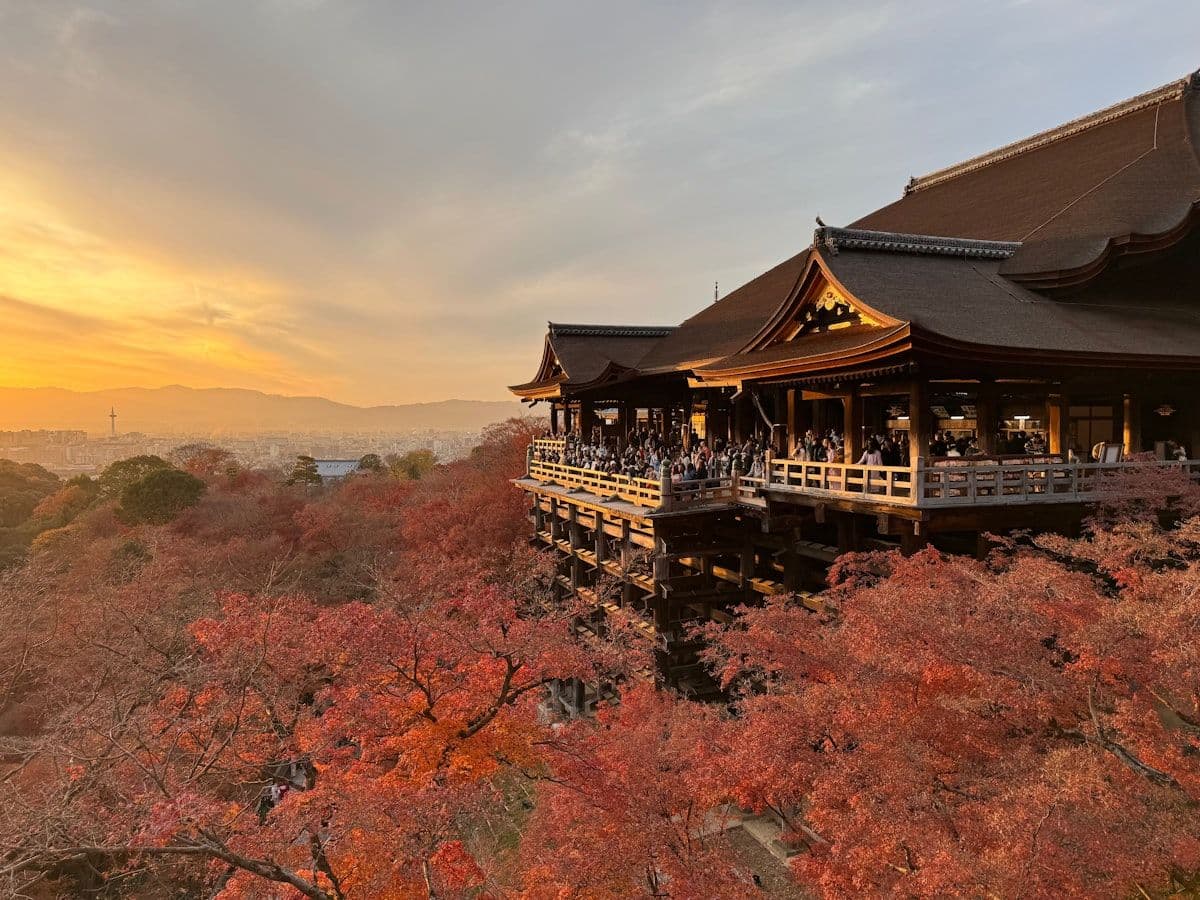
But October is when Oirase becomes something else. The maples along the 14-kilometre trail turn amber, red, and gold simultaneously. The fallen leaves carpet the path. The Oirase River, running between moss-covered boulders, reflects the colour overhead. This is Japan's finest autumn forest walk, and it is almost entirely unknown internationally.
The Autumn Timeline
Colour change at Oirase begins at the upper end of the gorge (near Lake Towada) in early to mid-October. It moves progressively downstream. Peak colour in the upper gorge: typically October 15–25. Peak colour in the lower gorge: October 20–30. Weather and temperature vary year to year; the Aomori Prefecture Tourism Association posts daily updates in season.
The best weeks: the third and fourth weeks of October for most years. The gorge remains beautiful through early November.
Nature
Tohoku Autumn Leaves: The Complete Koyo Guide
Japan's finest autumn foliage is not in Kyoto. It's in Tohoku. Here's where to go and when.
The Walk
The full gorge trail runs 14 kilometres from Yakeyama (the lower trailhead, near Oirase Keiryu Onsen) to Nenokuchi (the upper trailhead, at the edge of Lake Towada). The trail is flat — the gorge follows the river downstream, and the grade is minimal. Most walkers complete the full trail in three to five hours at a viewing pace.
Direction matters in autumn. Walking upstream (Yakeyama to Nenokuchi) means you are walking toward the most intense colour, which peaks in the upper section. Walking downstream is easier logistically if you start at Lake Towada and work toward the bus connections at the lower end.
Waterfalls: fourteen named waterfalls line the trail. Choshi Otaki (the largest, 7 metres wide and 3 metres tall) is at the upper section. Kumoi Otaki, with a distinctive S-curve, is near the midpoint. Sanjo Falls at the lower section is the most easily reached from the road. In October, all fourteen are framed in colour.
Getting There
By bus from Aomori: the JR Bus Tohoku service runs from Aomori Station to Nenokuchi (Lake Towada) via the full gorge, stopping at Oirase Keiryu Onsen and multiple gorge points. Journey time to the upper gorge: approximately 2 hours. In October, additional buses run on weekends.
By bus from Hachinohe: connections via Towadako service. By car: the scenic route along the Oirase River (National Route 102) is one of Japan's most beautiful drives in October. Park at designated lots at Yakeyama or Nenokuchi and walk the full trail, or park at points along the gorge for shorter sections.
Where to Stay
Oirase Keiryu Hotel (stream hotel) is built directly beside the gorge — some rooms overlook the river and the autumn forest simultaneously. Book three to six months ahead for October weekends. Hoshino Resorts operates the property and maintains high service standards.
Towadako Lakeside accommodation clusters around Nenokuchi and the Lake Towada visitor area. Staying at the lake allows early-morning gorge access before the buses arrive, which is the best time to photograph.
Combining with Lake Towada
Lake Towada sits at the top of the Oirase Gorge — the river flows from it. The lake in October has its own colour: deep cobalt blue, ringed by hills in autumn colour. The Towada Art Center (Towada City, 30 minutes by bus from the lake) is one of Japan's finest outdoor art installations, with large-scale sculptures integrated into the streetscape of a small city.