Itinerary— all
Tsuruoka and the Shonai Plain: Yamagata's Gastronomy Coast
June 18, 2026
Tsuruoka, on Yamagata's Sea of Japan coast, became Japan's first UNESCO Creative City of Gastronomy in 2014. Its kitchens, temples, and farm fields make the Shonai plain one of the country's most quietly serious food destinations.
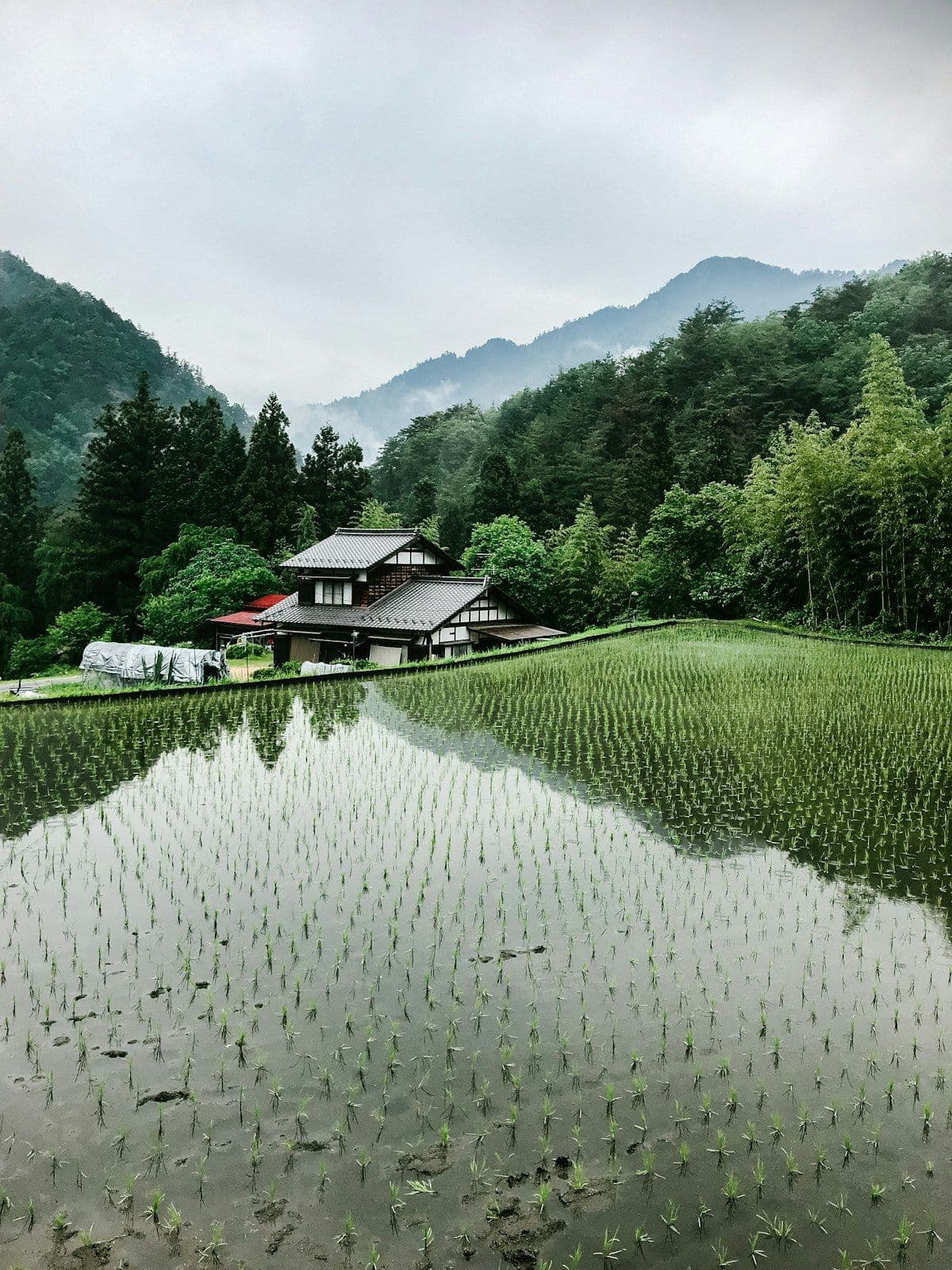
Tsuruoka does not announce itself. The city sits on the Shonai plain, a wide sweep of rice paddies between the Dewa Sanzan mountains and the Sea of Japan, and most travelers pass it on the way to somewhere louder. That is part of its character. In December 2014, UNESCO named Tsuruoka a Creative City of Gastronomy, the first and still the only Japanese city to hold the designation, and the recognition simply confirmed what the region had practiced for centuries.
What sets Tsuruoka apart is not a single dish or a celebrated restaurant. It is the breadth of the food culture: heirloom vegetables grown from seed saved over generations, the austere temple cuisine of the mountain pilgrimage, an edamame so prized it has its own season, and rice and sake drawn from some of the most fertile land in northern Japan. The coast around Tsuruoka and the nearby port of Sakata adds seafood, merchant history, and one of the strangest aquariums in the world.
Together these make a compact itinerary, reachable by a short flight or a coastal train, that rewards travelers who care less about checklists than about how a place eats and why.
Why Tsuruoka Became Japan's First City of Gastronomy
The UNESCO Creative Cities Network recognizes places where a cultural field is woven into civic life rather than staged for visitors. Tsuruoka qualified on the strength of an agricultural and culinary tradition that survived precisely because it was never industrialized. The Shonai plain has long been one of Japan's great rice baskets, and the surrounding mountains, rivers, and coastline supply a range of ingredients unusual for a single region. The designation rests on continuity: knowledge passed from farmers, cooks, and temple kitchens, kept in use rather than archived.
A working food culture, not a showcase
The distinction matters when planning a visit. Much of what makes Tsuruoka remarkable happens in fields, farmhouses, and temple lodgings rather than in dining rooms designed for tourists. A meal here often comes with an explanation of where a vegetable was grown and how its seed was saved, because that lineage is the point. The city has built programs around this, connecting growers, chefs, and researchers, but the underlying culture predates the recognition by generations.
The In-the-Field Vegetables of the Shonai Plain
Tsuruoka has registered roughly sixty traditional local crops, often described in English as in-the-field or heirloom vegetables, from the Japanese zaisei, meaning grown in place. These are landraces: varieties adapted over decades to a specific soil, slope, or microclimate, propagated by farmers who save seed rather than buy it. Many would have vanished under the pressure of standardized commercial agriculture had families and small communities not kept them alive.
Turnips from the burned slopes
Among the best known are the atsumi kabu, deep-red turnips cultivated for centuries on mountain slopes using a form of slash-and-burn agriculture. The hillsides are too steep and the soil too thin for conventional fields, so the old method persists out of necessity as much as tradition. Pickled, the turnips turn a bright magenta and carry a sharp, clean bite. Other registered crops include distinctive greens, beans, and roots, each tied to a particular village or valley, and many appear only briefly each year.
Dadachamame, the edamame with a season
Nature
Dewa Sanzan: How to Walk Japan's Most Sacred Pilgrimage Route
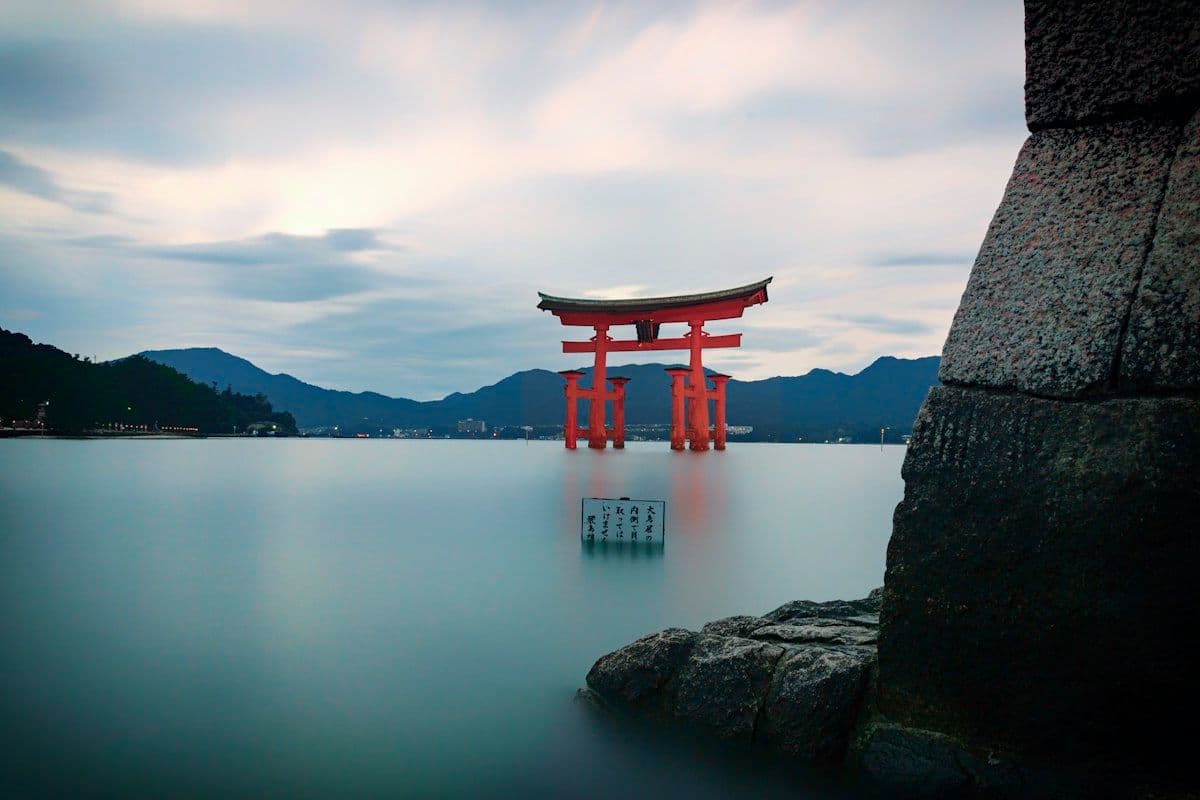
Three sacred mountains. 1,400 years of pilgrimage. The Dewa Sanzan circuit in Yamagata is Japan's most spiritually charged walking route — and one of its least internationally known.
The most famous of Tsuruoka's crops is dadachamame, an edamame first grown in the area in the late nineteenth century. The name comes from the local dialect, where dadacha means father; the beans are recognizable by faint brown bristles on the pods rather than the usual white. Their high sugar content and concentrated savory flavor made them locally legendary and eventually sought after across Japan. The harvest window is short, typically late summer, and the beans are best eaten within hours of picking, which is why the genuine article rarely travels far from the Shonai plain.
Shojin Ryori and the Dewa Sanzan Pilgrimage
Tsuruoka is the western gateway to the Dewa Sanzan, the three sacred mountains of Haguro, Gassan, and Yudono that have drawn pilgrims for well over a thousand years. The mountains form one of Japan's oldest centers of Shugendo, the ascetic mountain faith whose practitioners, the yamabushi, train through fasting, cold water, and long treks across the peaks. The pilgrimage and the region's food culture are inseparable.
Cuisine shaped by the mountains
At the pilgrim lodgings, or shukubo, around the base of Mount Haguro, visitors can eat shojin ryori, the Buddhist vegetarian cuisine developed to sustain ascetics without meat, fish, or strong aromatics. Far from spare, it draws on the mountains themselves: wild vegetables and mountain herbs known as sansai, foraged mushrooms, tofu, and the local heirloom crops, arranged in small dishes that change with the season. The cooking treats restraint as a discipline rather than a limitation, and a meal in a temple lodging is one of the clearest ways to understand why Tsuruoka eats the way it does.
Rice, sake, and the fertile plain
The same land that feeds the pilgrimage feeds the table. Shonai rice is among the most respected in Japan, and the abundant clean water and cold winters make the plain strong sake country as well. Local breweries work with regionally bred rice varieties, and a flight of Shonai sake alongside dadachamame or pickled turnip is an unhurried way to taste the place. The pairing is everyday rather than ceremonial, which is the point.
The Coast: Sakata, Sankyo Soko, and the Kamo Aquarium
North of Tsuruoka, the merchant port city of Sakata tells the commercial half of the Shonai story. During the Edo period, Sakata grew wealthy as a hub on the Kitamaebune shipping route, sending the plain's rice south by sea. The Homma family, its most powerful merchants, became so rich that a saying held one could not hope to be a Homma but might settle for being a feudal lord. Their residence and gardens still stand, and the views of Mount Chokai that frame the city carry the same quiet grandeur that made it a film setting.
The Sankyo Soko warehouses
Sakata's most photographed site is the Sankyo Soko, a row of rice warehouses built in 1893 and several still in use for their original purpose. A line of zelkova trees, now around a century and a half old, was planted along the western side to shade the stored rice and block the harsh winds off the Sea of Japan. The result is a corridor of dark timber and tall trees that turns gold in late autumn, a working monument to the grain economy that built the coast.
Jellyfish at the Kamo Aquarium
On the coast between Tsuruoka and the sea sits the Kamo Aquarium, internationally known for the largest jellyfish display in the world. Dozens of species drift through backlit tanks, and the centerpiece is an enormous circular pool of moon jellyfish that has earned a Guinness World Record. The aquarium leaned into a near-closure decades ago by specializing in jellyfish, and the gamble made it famous; it remains an unexpected counterpoint to the region's farms and temples and a favorite with travelers of every age.
How to Combine Tsuruoka, Sakata, and Dewa Sanzan
The Shonai region is easier to reach than its low profile suggests. Shonai Airport receives several daily flights from Tokyo Haneda, putting the coast within about an hour of the capital. By rail, the Inaho limited express runs along the Sea of Japan coast from Niigata, a slower but scenic approach with the water on one side and the plain on the other. A rental car is the most flexible way to link the mountains, the farms, and the coast, though buses serve the main sights.
A few unhurried days
Three or four days suit the area well. One day can center on Tsuruoka itself and its food culture, with a meal built around heirloom vegetables and Shonai sake. A second can climb toward the Dewa Sanzan, beginning with the cedar-lined approach and pagoda at Mount Haguro and an overnight or a midday meal of shojin ryori at a pilgrim lodging. A third can follow the coast to Sakata for the Sankyo Soko warehouses and Homma history, with the Kamo Aquarium slotted in along the way. Late summer brings dadachamame; autumn brings the zelkova color and the mountain harvest, making either season a rewarding time to come.
Frequently Asked Questions
Why is Tsuruoka called a city of gastronomy?
Tsuruoka was designated a UNESCO Creative City of Gastronomy in 2014, the first and only Japanese city to hold the title. The recognition reflects a living food culture rather than a single attraction: roughly sixty registered heirloom vegetables kept alive by farmers, the Buddhist temple cuisine of the Dewa Sanzan pilgrimage, prized Shonai rice and sake, and the dadachamame edamame, all rooted in the fertile Shonai plain and the surrounding mountains and coast.
How do you get to Tsuruoka and the Shonai region?
The fastest route is to fly from Tokyo Haneda to Shonai Airport, roughly an hour, then continue a short distance by car or bus to Tsuruoka or Sakata. Travelers preferring rail can take the Inaho limited express along the Sea of Japan coast from Niigata. A rental car makes it easiest to combine Tsuruoka, the Dewa Sanzan mountains, and Sakata, since the sights are spread across plain, mountain, and shore.
What is shojin ryori and where can you try it?
Shojin ryori is Buddhist vegetarian cuisine developed to sustain ascetic practitioners without meat, fish, or pungent ingredients. Around Mount Haguro, one of the three sacred Dewa Sanzan peaks, pilgrim lodgings known as shukubo serve seasonal shojin ryori built from mountain vegetables, foraged mushrooms, tofu, and local heirloom crops. Eating it is one of the clearest windows into the spiritual and culinary traditions that shaped Tsuruoka's food culture.
When is the best time to visit for food?
Late summer is the season for dadachamame, the region's celebrated edamame, eaten as fresh as possible near where it is grown. Autumn brings the mountain vegetable harvest, the new rice, and the golden zelkova trees at Sakata's Sankyo Soko warehouses. Both seasons showcase the Shonai plain at its best, though the heirloom vegetables and shojin ryori reward a visit at any time of year.