Itinerary— all
Tohoku with Kids: A Family Travel Guide to Northern Japan
July 4, 2026
Northern Japan rewards families with space, nature, and short lines. This guide to Tohoku with kids covers region-by-region highlights, onsen with children, and the practical logistics of trains, food, and seasons.
Children do well in Tohoku. The region is large, unhurried, and quietly accommodating in ways that matter to a family on the move: room on the trains, room at the table, and far shorter lines than the famous corridors to the south.
Parents who have shepherded a stroller through Kyoto in October, or queued an hour for a Tokyo aquarium, tend to feel the difference within a day. Tohoku trades the marquee attractions for breathing space. A castle hill becomes a picnic. A festival hall becomes an afternoon of drumming and dressing up. The pace suits short legs and shorter attention spans, and the rewards are real rather than manufactured.
Why Tohoku Works for Families
The case for traveling Tohoku with kids rests on a few unglamorous virtues. The first is space. Cities here are mid-sized and walkable, parks are generous, and the countryside opens up minutes beyond the station. Children who tire of being managed in tight urban crowds relax noticeably when there is somewhere to run.
The second is the absence of pressure. Outside the cherry-blossom and autumn-foliage peaks, attractions rarely overflow. Families can arrive at an aquarium or a farm without timed tickets or a scrum at the entrance, and a toddler's meltdown does not become a public event. The third is safety and ease. Japan's low crime, clean public toilets, and reliable trains remove much of the background anxiety of travel, and the food is forgiving: rice, noodles, grilled fish, and fruit are everywhere, and few children go hungry for long.
None of this requires a punishing schedule. A workable family trip might pair one base city with day trips, rather than hopping a new hotel every night. The region's geography encourages it, and the trains make it painless.
Region-by-Region Highlights for Children
Tohoku's six prefectures each offer something a child will remember. The following is not a checklist to complete but a menu to choose from, organized roughly from the Pacific coast inland and north.
Miyagi: Sendai and Matsushima
Sendai is the region's natural gateway and an easy first base. Sendai Umino-Mori Aquarium is modern and well-paced, with a large tank, a sardine display that draws gasps, and seal and dolphin shows that hold young attention. Yagiyama Zoological Park sits on a hillside above the city and is comfortably sized for a half-day. History-minded children take to Aoba Castle, the hilltop seat of the warlord Date Masamune; little survives of the structure itself, but the equestrian statue and the city view make the climb worthwhile, and the story of the one-eyed lord is the kind that sticks.
Half an hour up the coast, Matsushima Bay is dotted with pine-clad islets best seen from the water. The sightseeing cruises are short, gentle, and stroller-friendly, and gulls trailing the boat keep small passengers occupied. The bay is also oyster country; grilled seafood and fish set meals give the whole table something to enjoy.
Aomori: Festivals You Can Touch
Aomori's great summer festivals are loud, bright, and irresistible to children, and two museums let families experience them year-round. In Aomori City, Nebuta Museum WA RASSE houses several of the enormous illuminated floats up close, with hands-on areas where kids can try the drums and the call-and-response chant of the festival. In nearby Goshogawara, the Tachineputa hall displays towering floats that rise several stories through the building; the scale alone is worth the trip, and the craft of the paper and paint fascinates older children.
Akita: Namahage and a Lake
Akita pairs folklore with the outdoors. On the Oga Peninsula, the Namahage tradition — ogre-like visitors who quiz children on their behavior — is preserved in a museum where families can meet the costumed figures in a controlled, more amusing than terrifying, setting. Inland, Lake Tazawa is Japan's deepest, ringed by a road and dotted with pedal boats that make for an easy hour on the water. The samurai district of Kakunodate, with its dark wooden houses and weeping cherries, is pleasant for a stroll and especially photogenic in spring.
Itinerary
How Many Days Do You Need in Tohoku? (An Honest Answer by Trip Type)
The honest answer depends on what you want from Tohoku. Here's a guide by trip type: 3 nights, 5 nights, 7 nights, and 10+ nights.
Iwate: Noodles, Caves, and a Farm
Morioka offers one of Tohoku's best participatory meals for kids: the wanko soba challenge, in which a server drops one small portion of noodles after another into the bowl, the count climbing as fast as the diner can keep up. It is competitive, slightly chaotic, and reliably delightful for children, who often outlast the adults in spirit if not in volume. To the northeast, Ryusendo is a vast limestone cave with floodlit underground pools of startling clarity, cool on a hot day and adventurous without being strenuous. Near Mount Iwate, Koiwai Farm is a working dairy turned family destination, with animals, wide lawns, and famously good soft-serve ice cream.
Yamagata: Fruit, Festivals, and Comfort Food
Yamagata is fruit country, and picking is a low-effort, high-reward activity for families: cherries in June, then peaches, grapes, and apples through autumn. The town of Tendo is known for shogi pieces and, in spring, for a spectacle in which costumed players act as living chess pieces on a giant board — pageantry children enjoy even without knowing the rules. The local comfort dish, imoni, a hearty taro and meat stew cooked outdoors in autumn, is the kind of warm, simple food that suits every age.
Fukushima: Samurai Crafts and a Waterpark
Aizu-Wakamatsu trades on its samurai past, and the hands-on side of that history appeals to children: painting an akabeko, the bobbing red papier-mache cow that is the region's lucky charm, is a popular workshop that doubles as a souvenir. For sheer fun, Spa Resort Hawaiians is an enormous indoor waterpark and hot-spring complex where the weather never matters — a useful card to have in reserve on a rainy or off-season day. Fukushima's orchards add more fruit picking to the itinerary in season.
Onsen and Ryokan with Children
A hot-spring soak is one of the lasting pleasures of a Tohoku trip, and it is more child-friendly than first-timers expect. The chief obstacle for families is the communal nature of most baths, where bathing is done nude and, in larger public areas, by gender. The simple solution is a kashikiri, or private bath, that can be reserved for a set period; many ryokan and onsen hotels offer one, and some rooms include a private open-air tub. Booking this in advance removes nearly all the awkwardness of bathing with young children.
The etiquette is straightforward and worth teaching kids before arrival: wash and rinse thoroughly at the seated showers before entering the water, keep towels and long hair out of the bath, and no swimming, splashing, or running. Babies in diapers are generally not permitted in shared baths, another argument for a private one. Hot-spring water is genuinely hot, so keep soaks short for small children and have water on hand.
Ryokan themselves suit families well. Tatami rooms mean futons laid directly on the floor, with no risk of a toddler rolling off a bed, and the multi-course kaiseki dinners can usually be adjusted for children with notice. A note when reserving — about ages, dietary limits, and the wish for a private bath — almost always brings a helpful response.
Practical Logistics: Trains, Food, and Seasons
The practical side of family travel in Tohoku is reassuringly manageable, but a little planning pays off.
Getting Around by Train
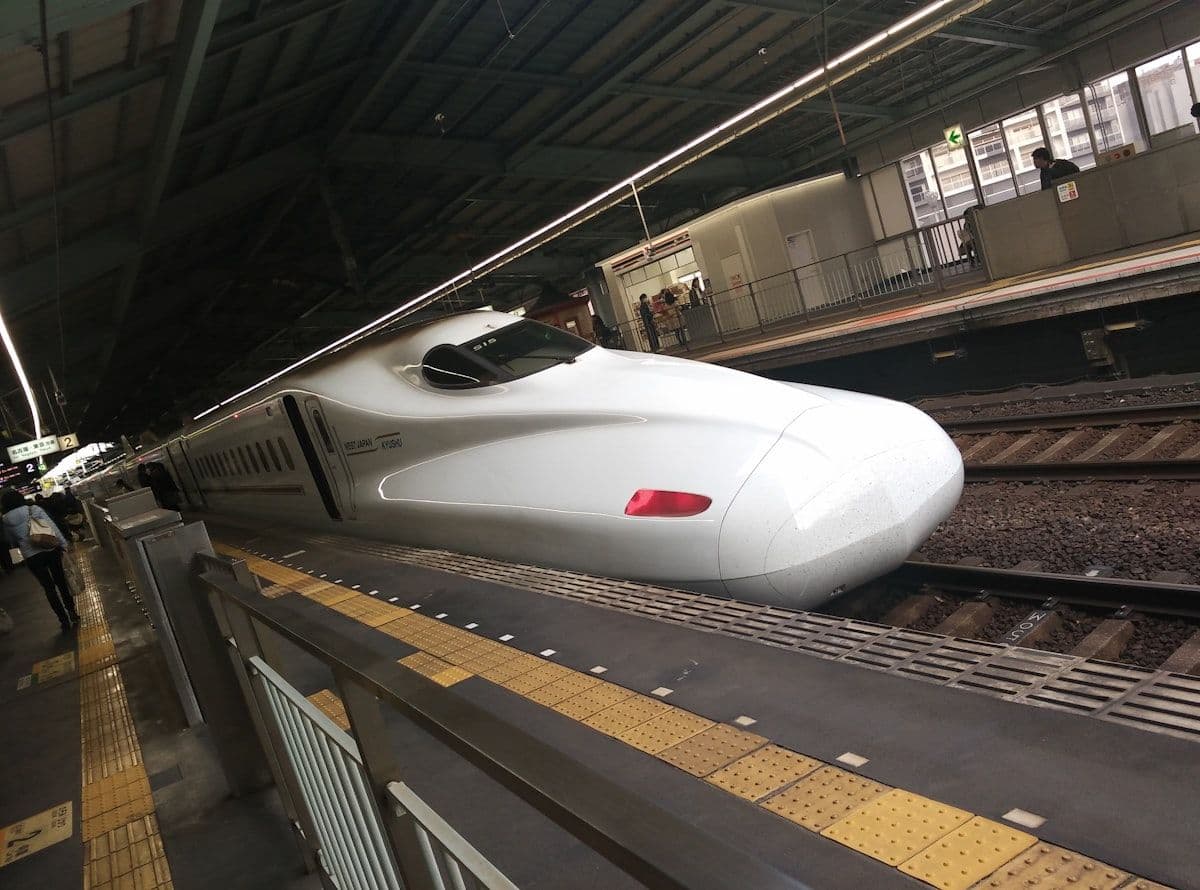
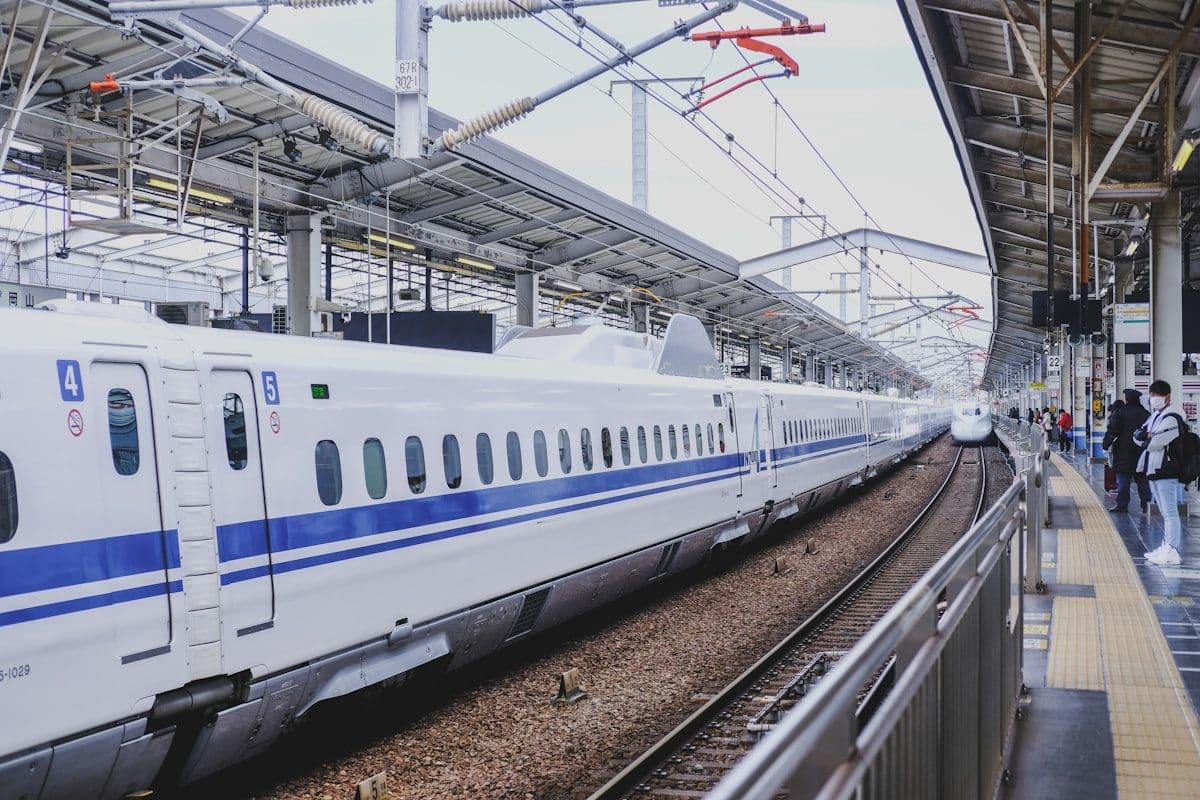
The Tohoku Shinkansen runs the spine of the region from Tokyo through Sendai, Morioka, and on to Aomori, and reaching a base city is quick and comfortable. The JR East Tohoku Area Pass is the usual choice for families covering ground, offering several days of unlimited travel on the relevant lines at a fixed price; children's passes are sold at a reduced rate, and young children travel free when not occupying a reserved seat. Reserving seats in advance lets a family sit together, and the spacious cars handle luggage and strollers without trouble.
Local lines and buses fill in the gaps to caves, farms, and lakes, and run on time. Stations are increasingly equipped with elevators, but some smaller ones still rely on stairs; a compact, foldable stroller travels far more easily than a bulky one, and many families find a baby carrier the more flexible tool for caves, festival halls, and crowded platforms.
Food for Picky Eaters
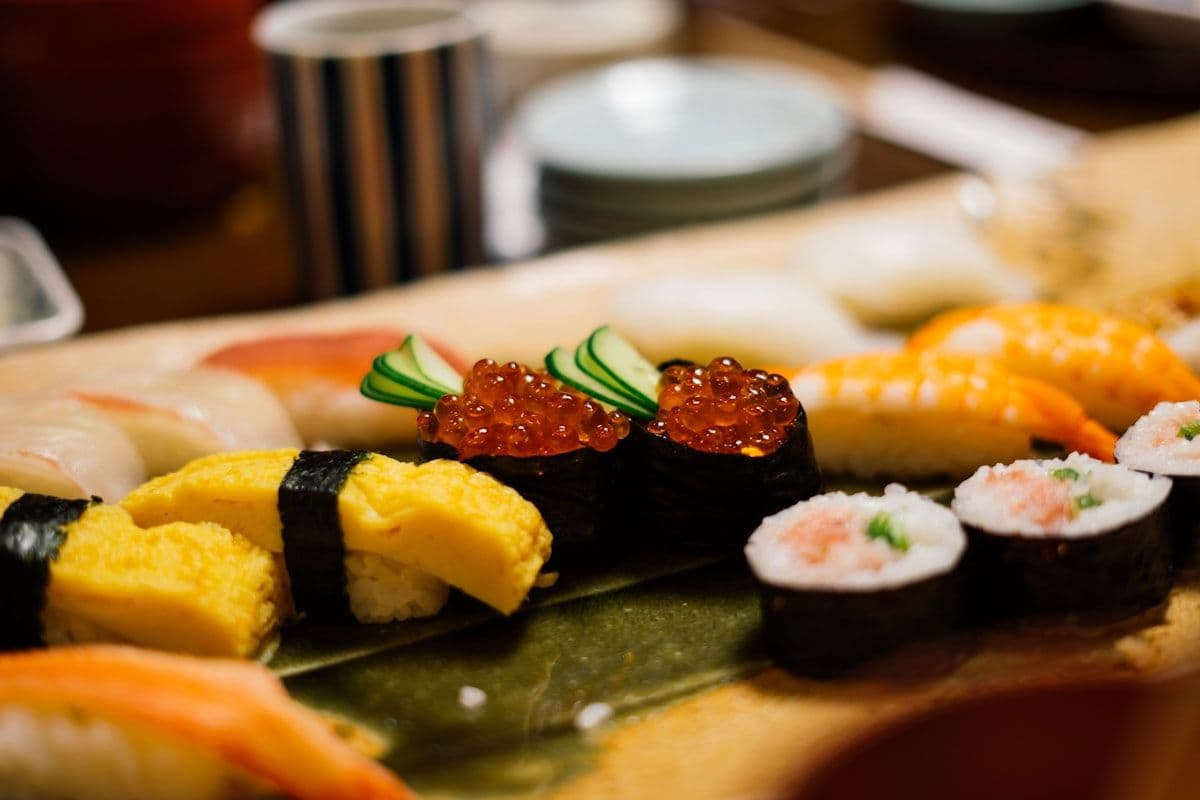
Few destinations are kinder to cautious palates. Plain rice, udon, soba, grilled chicken skewers, fried items, and fresh fruit are widely available, and convenience stores stock onigiri, sandwiches, and milk for emergencies. Conveyor-belt sushi restaurants are a family favorite — children choose by sight, prices are clear, and there is no pressure to finish. Allergies require more care, as labeling and English explanation vary; carrying a written note of any allergy in Japanese is sensible.
Best Seasons for Families
Tohoku's seasons each have a family argument. Late spring brings cherry blossoms and mild weather without the worst summer heat. June opens cherry picking. Summer delivers the great festivals but also humidity, so plan for indoor breaks. Autumn is arguably the sweet spot — comfortable temperatures, fruit-picking at its peak, and brilliant foliage. Winter is cold and snowy, which is either the draw, for snow play and steaming open-air baths, or the reason to bring serious clothing; deep snow can complicate travel with very young children, so build in slack.
Tips for a Smoother Trip
A few habits make the difference between a trip endured and one enjoyed. Choose one or two base cities and travel out from them rather than changing hotels nightly; the saved packing time is time spent with the family rather than the luggage. Build in downtime — a park, a pool, an aimless afternoon — between headline attractions, and treat the itinerary as optional rather than a contract.
Carry a small kit of the unglamorous essentials: wet wipes, a spare set of clothes, snacks, and any specific medicines, which can be harder to find than at home. Coin lockers at stations free a family from dragging bags between morning and afternoon stops. And lean on the strengths of the place: the quiet, the space, and the slower clock are not obstacles to work around but the very reasons Tohoku rewards families who come.
Frequently Asked Questions
Is Tohoku a good destination for traveling with kids?
Yes. Tohoku suits families well thanks to its space, abundant nature, mid-sized walkable cities, and far smaller crowds than Tokyo or Kyoto. The trains are punctual and comfortable, the region is very safe, and the food — rice, noodles, grilled fish, and fruit — is easy for most children. Attractions like aquariums, festival museums, farms, and caves rarely overflow outside peak seasons, which makes days with young children far less stressful.
Can children use hot springs in Tohoku?
They can, with a few caveats. Most onsen baths are communal and nude, and babies in diapers are usually not allowed in shared water. The easiest solution for families is to book a private bath, or kashikiri, available at many ryokan and onsen hotels, with some rooms offering a private open-air tub. Teach children the basic etiquette in advance — wash before entering, no towels in the water, no swimming or running — and keep soaks short because the water is genuinely hot.
What is the best way to get around Tohoku with children?
The Tohoku Shinkansen connects the main base cities quickly and comfortably, and the JR East Tohoku Area Pass is the usual value choice for families covering distance, with reduced fares for children and free travel for young children not using a reserved seat. Reserve seats so the family sits together, and favor a compact foldable stroller or a baby carrier, since some smaller stations and attractions still involve stairs. Local trains and buses reach the caves, lakes, and farms reliably.
When is the best time to visit Tohoku with kids?
Late spring and autumn are the most comfortable seasons for families. Spring offers mild weather and cherry blossoms, with cherry picking beginning in June. Autumn is a particular sweet spot, combining pleasant temperatures, peak fruit picking, and vivid foliage. Summer brings the famous festivals but also humidity, so plan indoor breaks, while winter offers snow play and steaming baths at the cost of cold weather and occasionally complicated travel with very young children.