Itinerary— all
Tohoku Travel Guide: The Complete Introduction to Northern Japan
June 1, 2026
A complete Tohoku travel guide to northern Japan's six prefectures: what each region offers, when to go, how to get around, and how to build a route that is worth the trip north.
Tohoku is the part of Japan that the famous itineraries skip. It occupies the entire northern third of the main island of Honshu — six prefectures, an area larger than Ireland — and receives a small fraction of the foreign visitors who fill Kyoto and Tokyo. This is not because there is less to see. It is because the region has never been packaged.
This Tohoku travel guide is the orientation: what the six prefectures are, what each is for, and how to assemble them into a trip. The detail lives in the individual guides linked throughout; this is the map that makes sense of them.
What and Where Is Tohoku?
Tohoku — the name means "northeast" — is the northern region of Honshu, beginning roughly two hours north of Tokyo by shinkansen and ending at the Tsugaru Strait, across which lies Hokkaido. Its spine is the Ou Mountain range, which divides the wetter, snowier Sea of Japan side from the Pacific side. The six prefectures are Aomori, Iwate, and Miyagi to the north and east; Akita and Yamagata to the west; and Fukushima to the south.
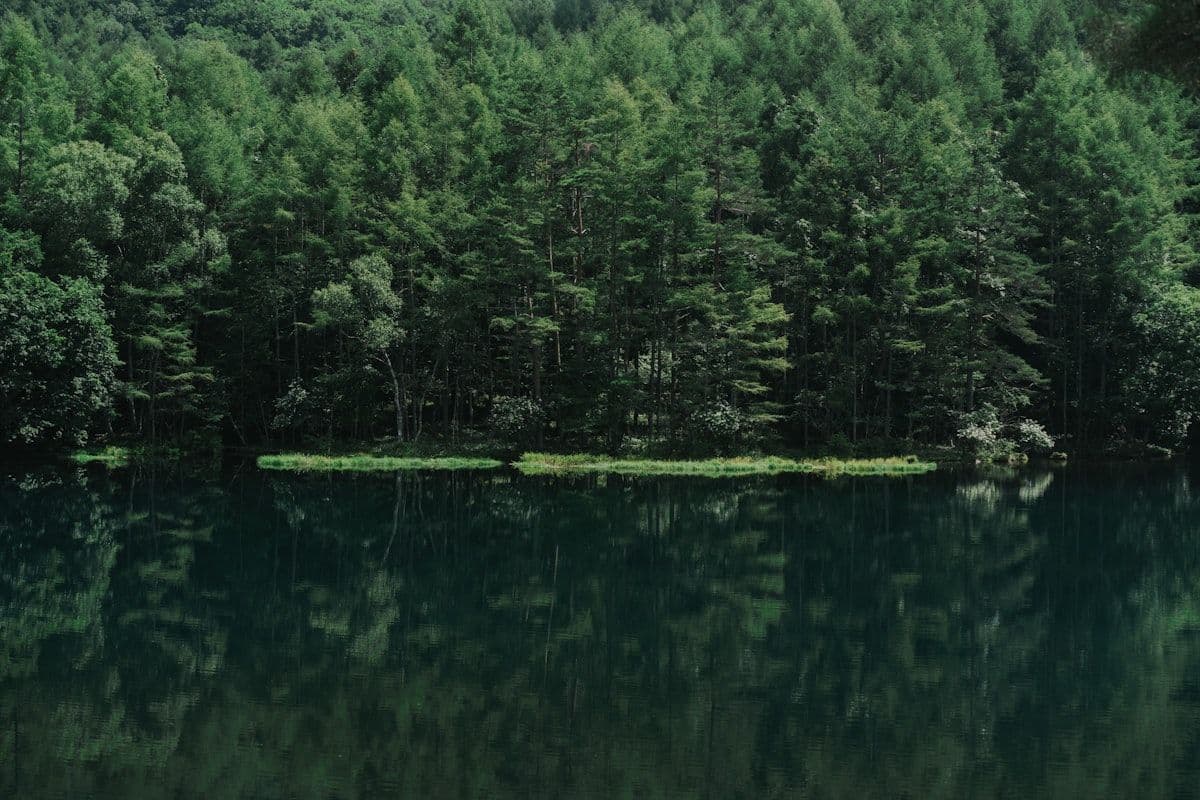
The defining fact of Tohoku travel is space. There are no queues at the temples, no timed-entry tickets, no premium charged for the counter seat. The infrastructure — shinkansen, regional rail, ryokan, hot springs — is excellent, because it was built for the domestic travellers who have quietly enjoyed Tohoku for generations. Foreign visitors are still rare enough to be met with genuine welcome rather than fatigue.
The Six Prefectures at a Glance
Aomori and Iwate: The Far North
Aomori, at the northern tip, is raw and forested: the Nebuta Festival, the Oirase Gorge and Lake Towada, the apple orchards of Hirosaki, and the bluefin tuna of the Tsugaru Strait. Iwate, on the Pacific side, holds the gilded Buddhist halls of Hiraizumi, the three-noodle culture of Morioka, and an under-visited coastline. Both are reached on the Tohoku Shinkansen.
Miyagi and Akita: The Heart of the Region
Itinerary
How Many Days Do You Need in Tohoku? (An Honest Answer by Trip Type)
The honest answer depends on what you want from Tohoku. Here's a guide by trip type: 3 nights, 5 nights, 7 nights, and 10+ nights.
Miyagi centres on Sendai, Tohoku's only large city, with the pine-covered islands of Matsushima Bay close by and the kokeshi-making hot springs of Naruko inland. Akita, on the Sea of Japan, is sake country — the Kanto lantern festival, the samurai district of Kakunodate, and the mountain baths of Nyuto Onsen.
Yamagata and Fukushima: The Southern Approach
Yamagata holds Ginzan Onsen, the most photographed hot-spring village in Japan, the sacred mountains of Dewa Sanzan, and Zao with its frost-covered trees. Fukushima — far larger and more varied than its single news association suggests — offers the samurai castle town of Aizu-Wakamatsu, lacquerware traditions, and a wild Pacific coast. It is the first part of Tohoku you reach from Tokyo.
When to Visit Tohoku
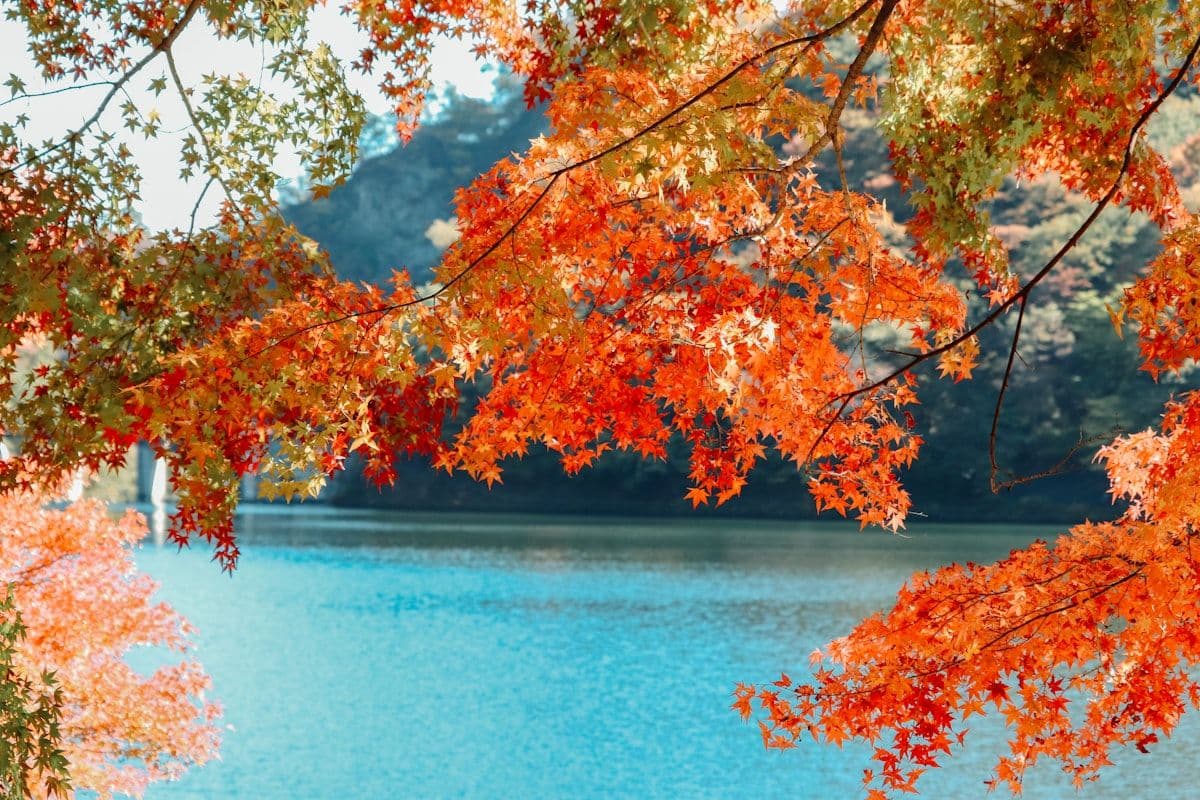
Each season is a different region. Spring (late April to early May, a month behind Tokyo) brings the cherry blossoms of Hirosaki and Kakunodate. Summer is Tohoku's strongest case: moderate temperatures, the three great festivals in the first week of August, and mountain trails at their most open. Autumn, from mid-October, turns the gorges and mountains to colour weeks before the famous spots further south. Winter is heavy with snow — the season of Ginzan's lanterns, Zao's frost monsters, and the steaming outdoor baths that Tohoku does better than anywhere in Japan.
There is no wrong season, only different trips. A first-time visitor choosing freely should consider late September to early November, when the weather is settled and the autumn colour moves down through the region.
Getting Around Tohoku
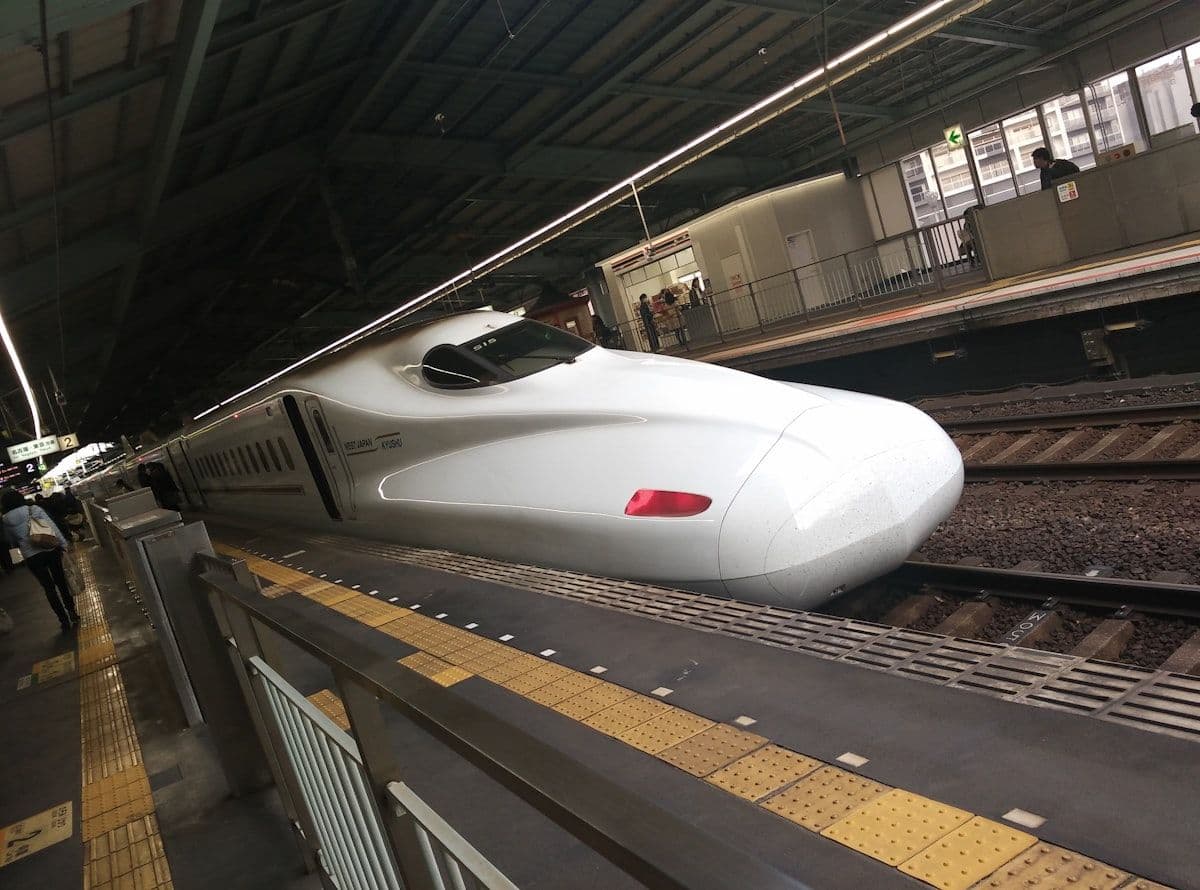
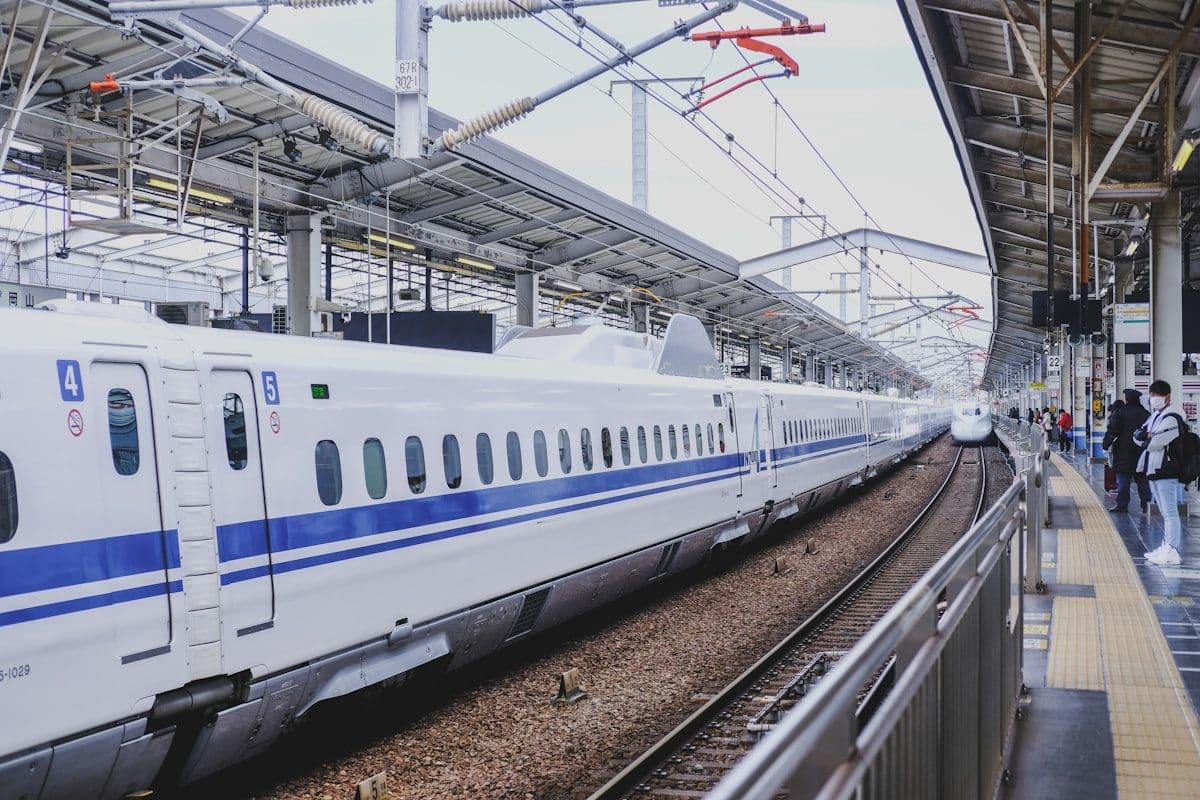
The Tohoku Shinkansen runs the length of the region from Tokyo through Sendai, Morioka, and Hachinohe to Shin-Aomori, with the Akita and Yamagata Shinkansen branching west. This spine makes Tohoku far easier to reach than its reputation suggests — Sendai is only 90 minutes from Tokyo. The JR East Tohoku Area Pass covers almost all of it and is worth the cost for any multi-stop trip.
Beyond the shinkansen, a rental car opens up the coast, the mountain onsen, and the rural craft towns that rail does not reach efficiently. Many of Tohoku's best experiences — Nyuto Onsen, the Sanriku coast, the deeper reaches of the gorges — are easier with a car, though a careful rail-and-bus itinerary can reach most headline sights.
How Many Days, and a Sample Route
Tohoku rewards time. Five nights is a reasonable minimum to justify the journey north; seven to ten allows the region to open up. A classic first route runs Sendai (with Matsushima) to Ginzan Onsen to Nyuto Onsen to Morioka to Aomori, covering city, coast, two contrasting hot-spring towns, and the far north, all on the shinkansen spine with short branch lines.
The deeper a traveller goes into Tohoku, the more it resembles the Japan that other regions have stopped being able to offer: unhurried, unoptimised, and genuinely surprised to see you. That is the case for going, and for going soon.
Questions Travelers Ask About Tohoku
Is Tohoku difficult to travel as a foreign visitor?
No. The Tohoku Shinkansen connects the main cities directly from Tokyo, English signage has improved markedly, and the region's ryokan and hot springs are well established. A rental car helps for rural areas but is not essential for the headline sights.
How long should you spend in Tohoku?
Five nights is a sensible minimum; seven to ten nights allows the region to open up across cities, coast, and hot-spring towns. Tohoku is large, and the rewards come from not rushing.
What is the best time of year to visit Tohoku?
Late September to early November offers settled weather and spectacular autumn colour. Summer is excellent for festivals and hiking, winter for snow and outdoor baths, and spring for cherry blossoms that arrive about a month later than in Tokyo.