Food & Sake— all
A Drinker's Guide to Tohoku Sake: The 8 Breweries Worth Going Out of Your Way For
May 17, 2026
Tohoku produces over 30% of Japan's sake. Here are the eight breweries where the bottle you drink onsite is the one worth traveling for.
Japan makes sake across all 47 prefectures. Tohoku produces over 30% of it. The combination of the region's soft mountain water, cold fermentation temperatures, and the varieties of rice grown in its paddies — Akita Komachi, Miyagi Hitomebore, Yamagata Dewasansan — has made the six northern prefectures the undisputed engine of Japan's finest sake production.
This is not news to Japanese sake drinkers, who have made Tohoku labels the most decorated at national competitions for decades. It is almost entirely news to international travelers, which creates the opportunity to visit breweries that are still primarily oriented toward domestic visitors and still selling at domestic prices.
How to Visit
Most breweries in Tohoku accept visitors during the active brewing season — roughly October through March — when the kura (brewery building) is in operation. Visits outside this season are possible at some breweries but may not include production areas. Email or call ahead in either case; unannounced visits to working breweries are not standard practice.
English communication is possible at the larger, internationally aware breweries (Aramasa, Dewazakura, Ichinokura). At smaller regional producers, a Japanese-speaking guide or advance email in Japanese is useful. The willingness of most brewers to welcome a seriously interested foreign visitor exceeds the language barrier.
The Eight Breweries
Aramasa (新政酒造) — Akita
Japan's most talked-about brewery. Sato Yasuyuki returned to his family's Akita brewery in 2007 and systematically dismantled its modern practices: no industrial yeast (only the brewery's own naturally occurring Kyokai No. 6 yeast, the oldest in Japan), no added distilled alcohol, no modern temperature control. The result is sake of striking individuality — earthy, complex, sometimes challenging. Allocation is managed through lottery. The brewery operates a café in Akita City that sells its bottles at retail. Tours require advance application through the official website.
Food & Sake
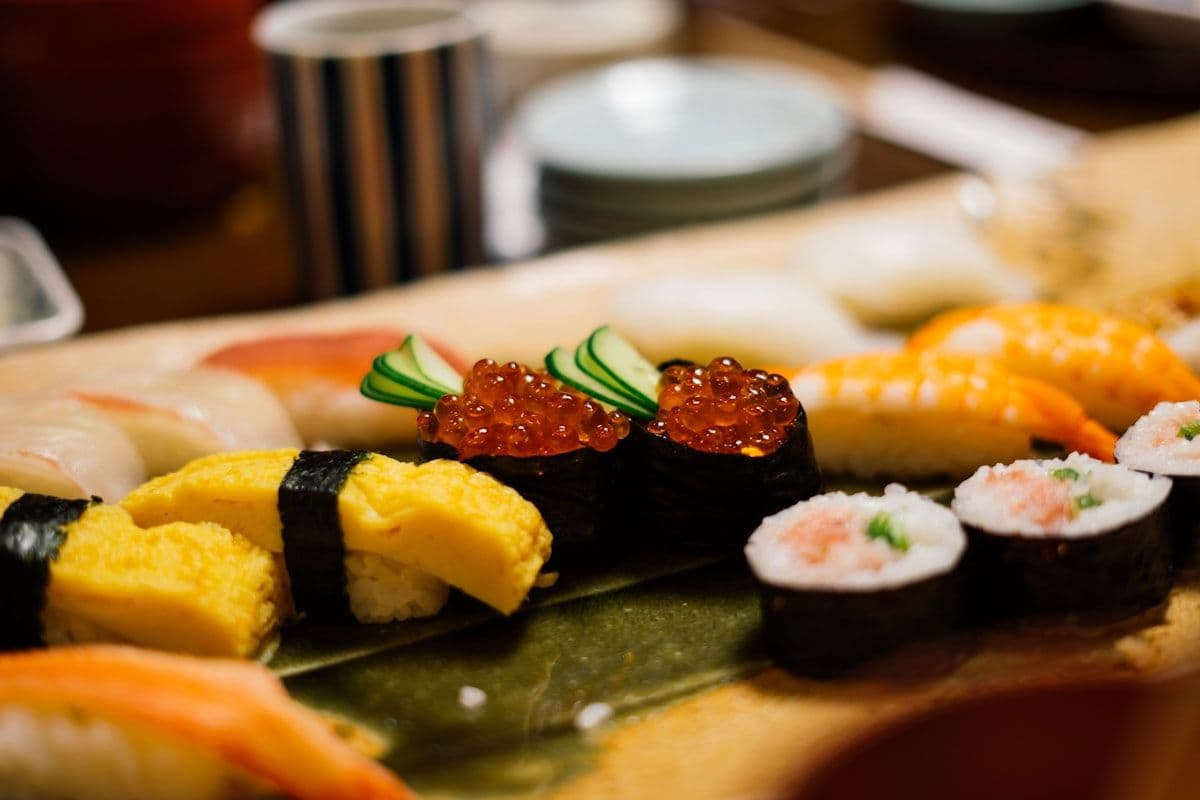
What to Eat in Tohoku: The 12 Dishes That Define the Region
Tohoku's food is the most distinct in Japan — shaped by altitude, cold, and isolation. These are the 12 dishes that define the region.
Dewazakura (出羽桜酒造) — Yamagata
Internationally the most recognised Tohoku sake, with awards at competitions in London and Paris. The brewery's Oka Ginjo was one of the first modern ginjo-style sakes to win international recognition in the 1990s. The Tendo brewery accepts visitors by appointment; the Yamagata City shop allows tasting without advance planning. Best visited in February or March during the brewing peak.
Ichinokura (一ノ蔵) — Miyagi
The largest sake producer in Miyagi, located in Matsuyama town (30 minutes from Sendai). The brewery survived the 2011 tsunami with significant damage and rebuilt within three years. Tasting tours are available in English by advance arrangement, making this the most internationally accessible brewery in Tohoku. The dry, minerally sake style reflects the character of Miyagi's water. The brewery museum traces the history of sake production in the Tohoku region.
Taiheizan (太平山) — Akita
One of Akita's oldest operating breweries (established 1874), producing a full range from entry-level to premium junmai daiginjo. The characteristic Akita sake style — clean, crisp, with a slightly dry finish — is expressed well here. The brewery is in Omagari (45 minutes from Akita city) and accepts group visits with advance notice.
Sharaku (写楽) — Fukushima
Produced by Miyaizumi Meijo in Aizuwakamatsu, Sharaku sake has become one of the most sought-after labels in Japan over the past decade. The sake is fruity and clean in a style that won a generation of younger drinkers to premium sake. Production is deliberately limited. The Aizuwakamatsu brewery area has several sake producers clustered together and a walking tour of the district makes a half-day of intelligent drinking.
Yamahai Kizan (山廃鬼山) — Yamagata
A smaller producer making yamahai-style sake — a traditional method that uses naturally occurring lactic bacteria rather than a commercial starter. The resulting sake is more complex, with a richer body and a longer finish. Characteristic of the traditional Yamagata style before modern streamlining. Visits by appointment; the brewery is in the Sagae area south of Yamagata city.
Zao Shuzo (蔵王酒造) — Miyagi
Located in Shiroishi at the base of Zao Mountain, the brewery produces a range that includes a winter-season namazake (unpasteurised sake) that is best drunk within weeks of pressing. The namazake season is December through February. A small shop and tasting room accepts walk-in visitors. The proximity to Zao Onsen (30 minutes by car) makes this a natural pairing stop.
Tsugaru Meijo (津軽銘醸) — Aomori
Aomori's most celebrated producer, making sake from local Hanafubuki rice and the soft water from the Tsugaru plain. The brewery's signature label, Denshu, has been listed on menus at Tokyo's finest restaurants for three decades. The brewery in Goshogawara accepts scheduled visits. The Tsugaru region's sake culture is less developed for tourism than Akita or Yamagata but the quality is comparable.
The Best Time to Visit
October through February is the active brewing season. Visiting during this period means seeing the kura in operation — the smell of fermentation, the steam from the koji rooms, the toji (head brewer) managing the tanks. February is the peak of the production cycle and the most atmospheric time.
The autumn new-release season (October–November) produces the year's first hiyaoroshi — sake that has been matured over summer and is released in autumn. This is often the most nuanced and interesting release of the year.