Nature— all
Shirakami-Sanchi: Japan's Forgotten UNESCO Forest and How to Visit It
May 24, 2026
Shirakami-Sanchi is Japan's largest remaining old-growth beech forest and a UNESCO World Heritage Site. Almost no international visitors have been there.
In 1993, Shirakami-Sanchi became one of Japan's first UNESCO World Heritage Sites — a 130,000-hectare area of old-growth beech forest straddling Aomori and Akita prefectures, one of the last remaining undisturbed examples of the beech forest that once covered most of northern Japan. Yakushima Island, in the same first batch of UNESCO listings, became internationally famous. Shirakami-Sanchi, in the far north of Honshu, remained almost entirely unknown internationally.
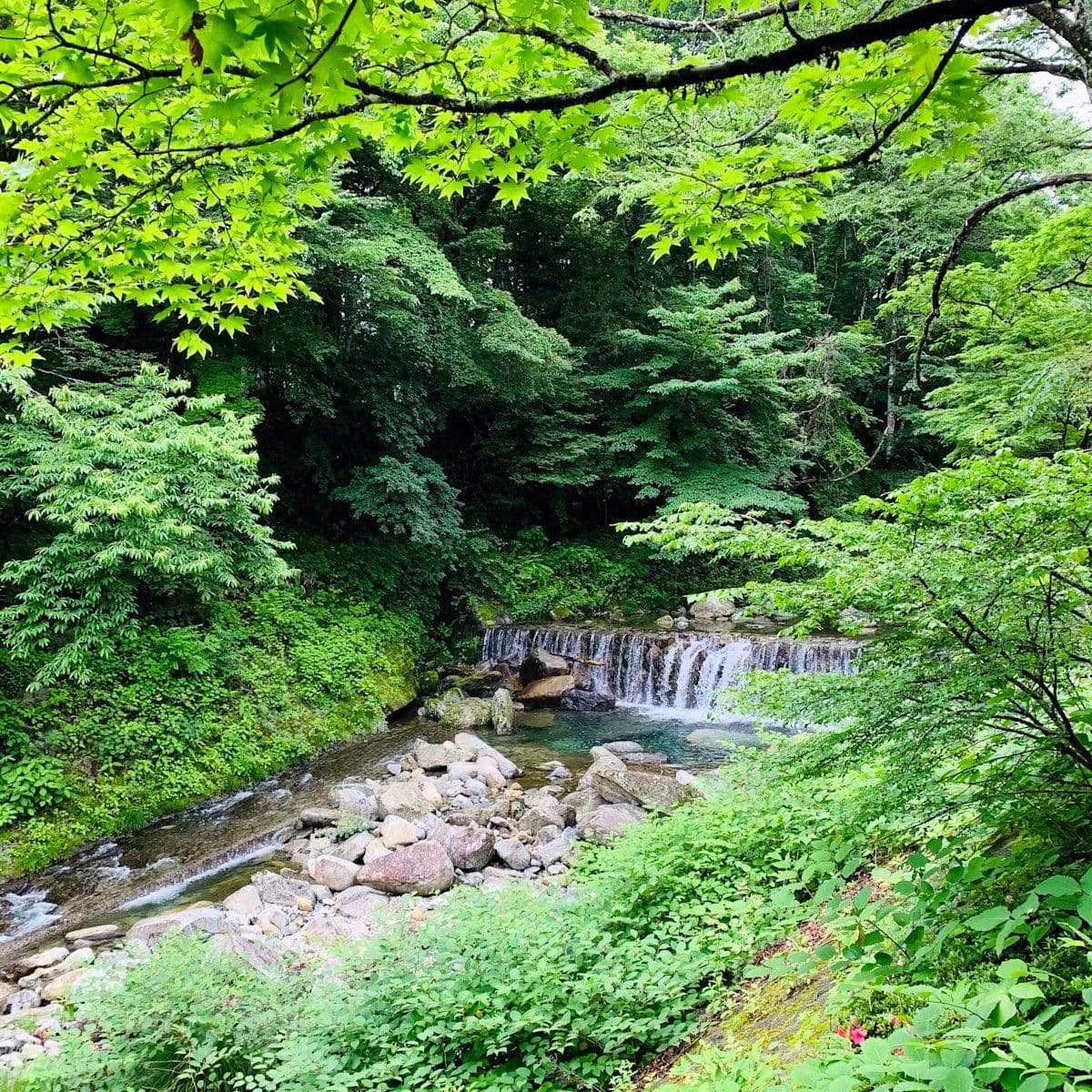
This asymmetry is inexplicable by any logic of landscape quality. Shirakami-Sanchi's beech forest, particularly in autumn colour (mid to late October) and spring leaf-out (late May), is as beautiful as anything Japan's natural landscape offers. The lack of tourism infrastructure — and the consequent solitude — is either an obstacle or the primary attraction, depending on who you are.
What Shirakami-Sanchi Is
The site covers 169,000 hectares, of which 16,971 hectares form the core zone of strictly protected old-growth forest. The beech trees in the core zone are hundreds of years old. The forest canopy in autumn produces a gold-and-amber colour display over the Shirakami mountain ridges that has been called the finest foliage spectacle in Japan by photographers who have seen it.
The Anmon Falls area within the accessible buffer zone is the standard visitor destination: a series of four waterfalls (First Fall, Second Fall, Third Fall, and the large Anmon-no-taki) reached by a 90-minute round-trip trail from the bus stop. In autumn, the trail passes through full colour. In summer, the sound of the falls and the green canopy are the experience.
Getting There
Nature
Dewa Sanzan: How to Walk Japan's Most Sacred Pilgrimage Route
Three sacred mountains. 1,400 years of pilgrimage. The Dewa Sanzan circuit in Yamagata is Japan's most spiritually charged walking route — and one of its least internationally known.
By train: the Gono Line coastal railway runs from Hirosaki (Aomori) south along the Sea of Japan coast to Higashi-Noshiro (Akita), passing through Juniko Station — the access point for the Shirakami forest trails. The Gono Line is one of Japan's most scenic regional railways, running along sea cliffs above the Sea of Japan. Journey from Hirosaki to Juniko: approximately 90 minutes on the local train.
From Juniko Station, a shuttle bus (seasonal, July–October and during autumn colour peak in October) runs to the Anmon Falls trailhead. At other times, a taxi from the station is necessary (approximately ¥3,000 one way).
By car: the most efficient approach, particularly in shoulder season when bus services are reduced. Rental car from Aomori city or Hirosaki. Route 101 along the Sea of Japan coast and then inland to the forest access roads.
Best Time to Visit
Late October (peak autumn colour): the most visually dramatic period. The beech forest turns gold across the ridges simultaneously. The Anmon Falls trail in full autumn colour is the year's best single-day walk in Aomori. Book accommodation in Nishimeya Village (the closest settlement) or in Hirosaki (90 minutes away) months ahead for October weekends.
Late May (spring leaf-out): the new beech leaves emerge in a vivid, almost impossibly bright green that does not persist long. A clear day in late May in the beech forest is equally remarkable for different reasons.
Summer (July–August): green and relatively uncrowded. The falls are full from snowmelt. Insects are active; long sleeves and insect repellent recommended.
The Juniko Lakes
The Juniko cluster (十二湖) at the base of the Shirakami mountains includes 33 lakes formed by a 1704 earthquake landslide. The most famous, Aoike (Blue Pond), is a small lake whose water is an intense, almost unnatural blue due to light scattering from extremely fine suspended particles. The walk from the car park to Aoike takes 15 minutes and can be combined with the Anmon Falls walk in a single half-day.
Practical Notes
The core zone of Shirakami-Sanchi is accessible only to researchers with permits. The accessible buffer zone (including Anmon Falls and the Juniko lakes) is open to general visitors.
The access road to the falls is closed in winter (approximately November to late April). The Gono Line train operates year-round but the connecting shuttle bus is seasonal.
Wildlife: black bears are present in Shirakami-Sanchi. Carry bear bells (available at outdoor shops in Hirosaki). Make noise on the trail. Bears avoid humans who make themselves known; encounters are rare.
Accommodation: Nishimeya Village has a handful of small ryokan and guesthouses, including the Shirakami-Sanchi visitor centre lodge. These book out in October. Hirosaki is the nearest city with reliable accommodation supply.