Itinerary— all
Northern Japan Travel: A Guide to the Regions Beyond Tokyo
June 2, 2026
Northern Japan travel begins where the bullet trains thin out. A guide to what "north" means in Japan, how the regions differ, and why Tohoku is the part most travellers miss.
Most trips to Japan run east to west: Tokyo, Kyoto, Osaka, perhaps Hiroshima. The country's other axis — south to north — is far less travelled and, for a certain kind of visitor, far more rewarding. Northern Japan is where the crowds thin, the landscape opens, and the seasons sharpen into something that the temperate centre of the country never quite delivers.
This guide orients the traveller heading north: what the term covers, how the regions differ, and how to think about a journey that runs up the spine of Honshu and, for the ambitious, across the strait to Hokkaido.
What "Northern Japan" Actually Means
Northern Japan is a loose term, but in practice it covers two distinct areas. The first is Tohoku — the northern third of the main island of Honshu, six prefectures beginning about two hours north of Tokyo. The second is Hokkaido, the large northern island across the Tsugaru Strait, with its own climate, history, and travel rhythm. The two are often spoken of together, but they reward very different trips.
Tohoku is the Japan of mountain hot springs, samurai towns, and ancient festivals — recognisably the traditional Japan of the imagination, only quieter. Hokkaido is younger, emptier, and more frontier-like: dairy farms, volcanoes, world-class powder snow, and cities laid out on grids. Travellers drawn to onsen, craft, and cultural depth should weight their time toward Tohoku; those drawn to wilderness, skiing, and wide open space toward Hokkaido.
The Case for Going North
The argument for northern Japan is partly about what is there and partly about what is not. What is there: some of the country's finest hot springs, its most dramatic autumn colour, its best snow, and a density of living tradition that the famous routes have largely lost. What is not there: the crowds. Northern Honshu receives a small fraction of Japan's inbound visitors, and the further north you travel, the more that figure falls.
This matters most for the experiences that crowding ruins. A hot spring with a queue is not a hot spring. A festival packed with tour groups behind barriers is a performance, not an event. North of Sendai, these things are still encountered closer to the way they were meant to be.
Itinerary
Tohoku vs Hokkaido: Which Region Should You Choose?
Both are in northern Japan. Both have onsen, nature, and food cultures worth traveling for. Here is how to choose.
How the Seasons Shape a Northern Trip
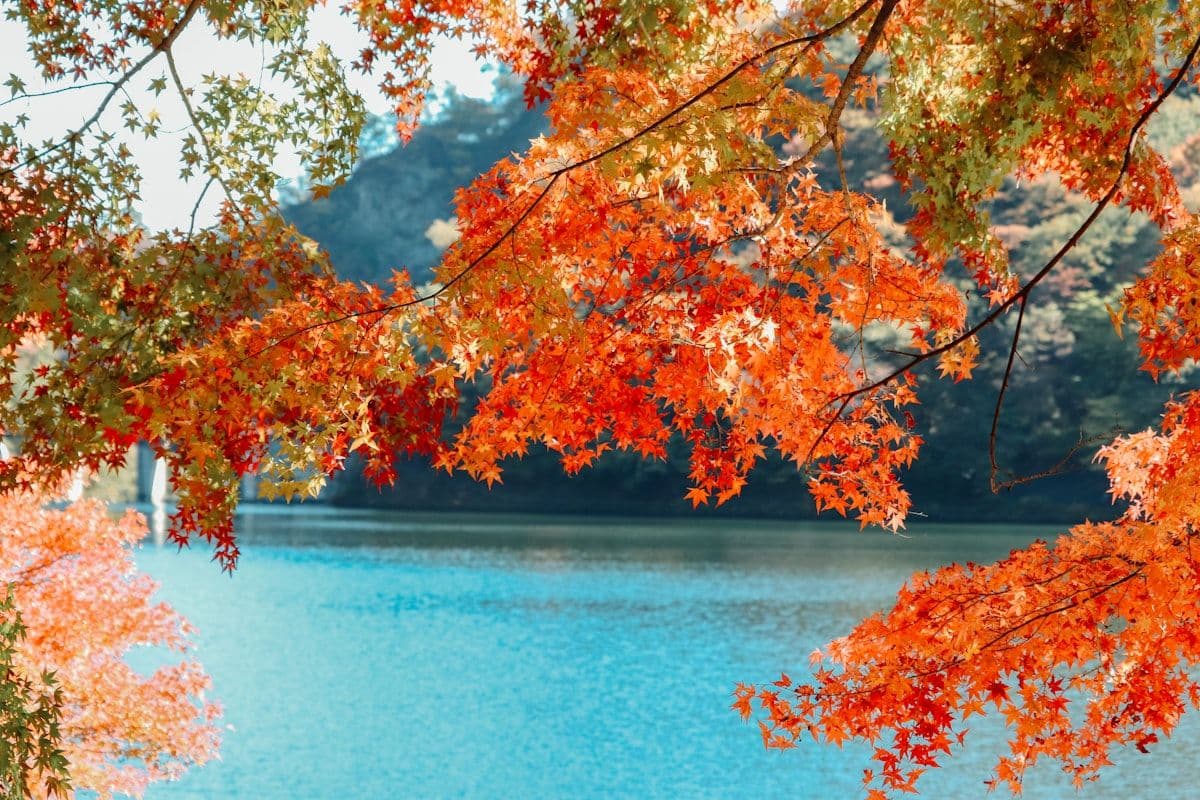
Northern Japan is a place where the season decides the trip. Winters are long and snowy on the Sea of Japan side — the source of the region's extraordinary hot-spring and snow culture. Spring arrives weeks later than in Tokyo, pushing the cherry blossoms of the north into late April and May. Summer is mild and clear, the season of festivals and open mountain trails. Autumn moves down from the high country in October, turning gorges and forests to colour while the south is still green.
The practical implication is that a northern itinerary should be built around a season rather than against it. Chasing cherry blossoms makes sense in early May; chasing snow and steam in January; chasing autumn colour in late October. Trying to do everything in one trip means doing none of it at its best.
Getting North and Getting Around
The Tohoku Shinkansen is the artery of northern Japan, running from Tokyo to Shin-Aomori in around three hours, with branches west to Akita and Yamagata. For travellers continuing to Hokkaido, the line carries on through the undersea Seikan Tunnel to Hakodate. A JR East rail pass covers the Tohoku portion economically; the wider JR East–South Hokkaido pass extends across the strait.
Within the regions, rail handles the cities and major sights well, but the deeper rewards of the north — remote onsen, the Sanriku and Hokkaido coasts, the high mountain roads — open up with a rental car. Winter driving in the snow country requires care and confidence; for many travellers a rail-and-bus base with selective car hire is the sensible compromise.
A First Northern Itinerary
A satisfying first trip into northern Japan need not reach Hokkaido at all. A week spent moving up through Tohoku — Sendai and the coast, a night or two in the hot-spring villages of Yamagata and Akita, the far north around Aomori — delivers the essence of the north without the longer distances of the island beyond. Travellers with more time, or a specific draw like skiing, can add Hokkaido as a distinct second chapter rather than a rushed extension.
The mistake is to treat the north as a detour from the main event. For the traveller who has already seen the Golden Route, the north is the main event — the part of Japan still operating on its own terms.
Questions Travelers Ask About Northern Japan
Is northern Japan worth visiting over a second trip to Kyoto or Tokyo?
For repeat visitors, yes. Northern Japan offers the hot springs, autumn colour, and living tradition that the famous routes have largely lost to crowds, with infrastructure good enough to make the journey straightforward.
Should I visit Tohoku or Hokkaido?
Choose Tohoku for hot springs, samurai towns, festivals, and cultural depth; choose Hokkaido for wilderness, skiing, and open space. They reward different trips, and combining both properly needs ten days or more.
How do you travel around northern Japan?
The Tohoku Shinkansen connects the main cities from Tokyo and continues to Hokkaido through an undersea tunnel. Rail covers the cities and headline sights; a rental car opens up remote hot springs and coastlines. JR East passes make the rail portion economical.