Itinerary— all
Morioka or Sendai? How to Choose Your Tohoku Base
June 4, 2026
Morioka vs Sendai: a clear comparison of Tohoku's two main hub cities — size, atmosphere, food, transport, and day-trip range — to help you choose the right base for your trip.
Two cities anchor the middle of Tohoku, and travellers building a route through the region usually end up choosing between them. Sendai is the obvious hub — the largest city in the north, the first major shinkansen stop. Morioka is the quieter alternative, smaller and further up the line. The right choice depends entirely on what kind of trip you are taking.
This is a direct comparison of Morioka and Sendai as travel bases: what each is, what each reaches, and who each suits.
Size and Atmosphere
Sendai is a real city — population over one million, Tohoku's only metropolis, with the restaurants, nightlife, shopping, and hotel range that implies. Its tree-lined central avenues and energetic entertainment district give it a metropolitan confidence. For travellers who want urban amenities, late dining, and a wide choice of accommodation, Sendai delivers in a way nowhere else in Tohoku can.
Morioka is roughly a quarter of the size and feels it, in the best way. It is a walkable regional capital of rivers, red-brick buildings, and old coffee houses, framed by a volcano. The pace is slower and the scale more human. The New York Times recommendation that made Morioka briefly famous was a response precisely to this unhurried, analogue character. Where Sendai impresses, Morioka charms.
Food
Both cities eat well, but differently. Sendai's signature is gyutan — charcoal-grilled beef tongue, invented here after the war and now a regional institution — backed by the seafood of nearby Matsushima and a broad restaurant scene. Morioka's fame rests on its three noodles: wanko soba, Morioka reimen, and jajamen, a trio found nowhere else in such concentration. For sheer variety, Sendai wins; for distinctive local specialities, Morioka punches above its size.
Itinerary
Morioka Travel Guide: The City the New York Times Put on the Map
A Morioka travel guide to Iwate's capital: castle ruins and red-brick banks, a celebrated three-noodle food culture, the looming cone of Mt. Iwate, and an old-school coffee and jazz scene.
Transport and Day-Trip Range
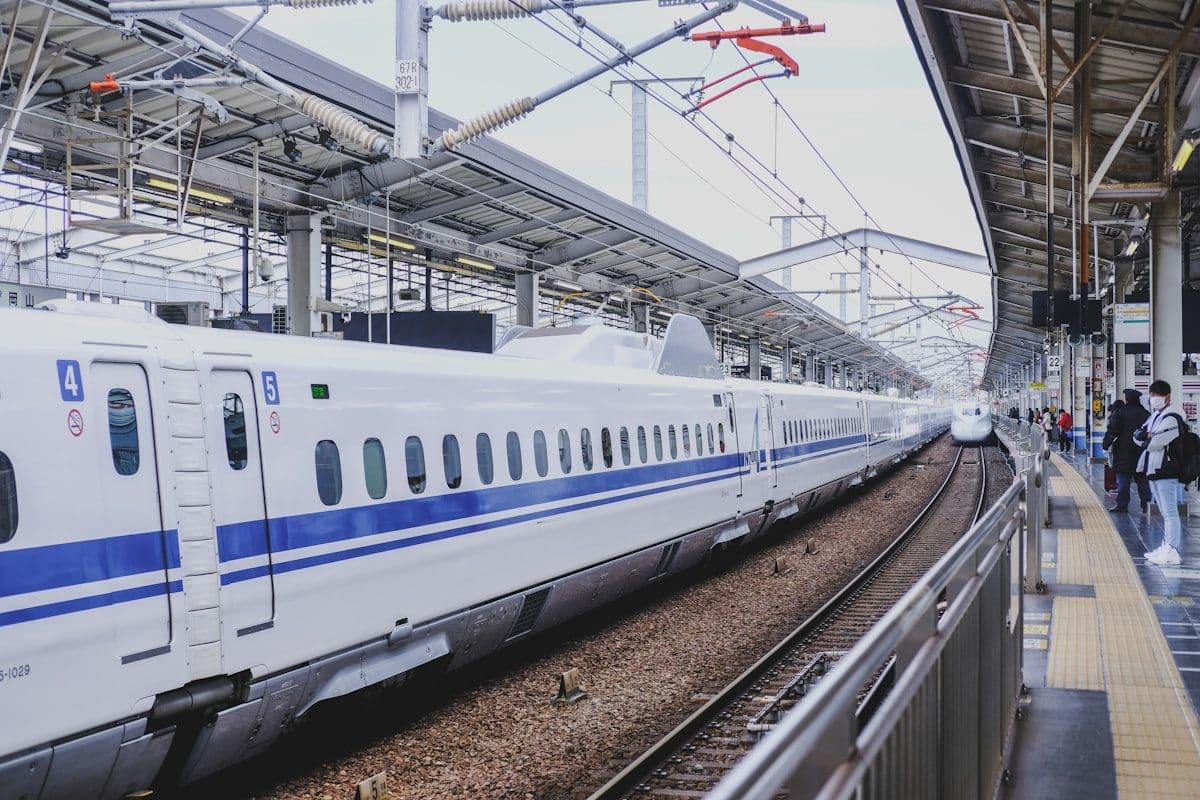
This is where the practical decision is often made. Sendai, 90 minutes from Tokyo, sits at the southern end of the region and reaches south and central Tohoku well: Matsushima, Yamadera, the Zao mountains, Ginzan Onsen, and the Yamagata side are all comfortable day trips. Morioka, two hours and ten minutes from Tokyo, sits further north and is the gateway to the far north and to Akita — Hiraizumi to the south, Hachimantai to the north, and, crucially, the Akita Shinkansen branch to Tazawako, Kakunodate, and Nyuto Onsen.
In short: base in Sendai to explore southern and central Tohoku; base in Morioka to explore the north and the Akita hot-spring country. Many longer itineraries use both in sequence, moving up the shinkansen line from one to the other.
Accommodation and Cost
Sendai has the wider and deeper range of accommodation, from international-standard hotels to business hotels and guesthouses, with availability that rarely becomes a problem outside festival dates. Morioka's options are fewer and more modest but generally cheaper, and its compact centre means most hotels are within walking distance of the sights and restaurants. Neither city is expensive by the standards of Tokyo or Kyoto.
Which Should You Choose?
Choose Sendai if you want a proper city as your base, value dining and accommodation variety, are travelling in a way that prioritises convenience, or plan to focus on southern and central Tohoku — Matsushima, Yamagata, Zao, and Ginzan. It is also the more sensible single base for a short first trip, given how much it reaches in 90 minutes from Tokyo.
Choose Morioka if you prefer a smaller, slower, more atmospheric town, are drawn to its food and café culture, or are building a route into the far north and the Akita hot springs. And if your trip is long enough, do not choose at all: take both in turn, riding the shinkansen north from the city to the town. It is the most natural backbone a Tohoku itinerary can have.
Questions Travelers Ask About Morioka and Sendai
Is Sendai or Morioka a better base for Tohoku?
Sendai is the better base for southern and central Tohoku and for travellers who want a full-sized city with wide dining and hotel options. Morioka is better for the far north and the Akita hot-spring country, and for those who prefer a smaller, slower town.
How far apart are Morioka and Sendai?
About 40 minutes apart on the Tohoku Shinkansen. This makes it easy to use both as bases in sequence, moving north from Sendai to Morioka over the course of a longer Tohoku itinerary.
Which city has better food, Morioka or Sendai?
Sendai offers more variety, headlined by gyutan (grilled beef tongue) and Matsushima seafood. Morioka is famous for three distinctive noodle dishes — wanko soba, reimen, and jajamen — found nowhere else in such concentration. Both are rewarding for different reasons.