Itinerary— all
Morioka Travel Guide: The City the New York Times Put on the Map
June 3, 2026
A Morioka travel guide to Iwate's capital: castle ruins and red-brick banks, a celebrated three-noodle food culture, the looming cone of Mt. Iwate, and an old-school coffee and jazz scene.
Morioka spent decades as a place travellers changed trains in. Then, in 2023, the New York Times named it second on its annual list of places to go in the world — above Paris, above most of the planet — and the city found itself, briefly, famous. The surprise in Japan was real. The surprise of visitors who actually go is that Morioka deserved it.
This Morioka travel guide covers the capital of Iwate as a destination in its own right: a walkable city of rivers and red brick, an unusually deep food culture, and a mountain backdrop that frames almost every street.
A City Between Three Rivers and a Volcano
Morioka sits at the meeting of three rivers, with the near-perfect cone of Mt. Iwate — often called Nanbu Fuji — rising to the northwest. The compactness is part of the appeal: the castle ruins, the old merchant streets, the river walks, and the best restaurants are all within a walkable core. The castle itself is gone, dismantled after the feudal era, but its high stone walls survive as Iwate Park, a pleasant green centre to the city.
The architectural signature of Morioka is its Meiji- and Taisho-era Western-influenced buildings, above all the Iwate Bank Red Brick Building of 1911, a handsome brick-and-stone structure by the same architectural office that designed Tokyo Station. The old town around it preserves a low-rise, human scale that larger Japanese cities have mostly lost.
Morioka's Three Noodles
Morioka is famous in Japan for a trio of noodle dishes found nowhere else in this concentration. Wanko soba is the spectacle: tiny portions of buckwheat noodles served one bowl at a time, a server refilling the moment a bowl empties, until the diner finally caps it — totals in the dozens are routine, and the hundreds are recorded on the wall. It is as much performance as meal.
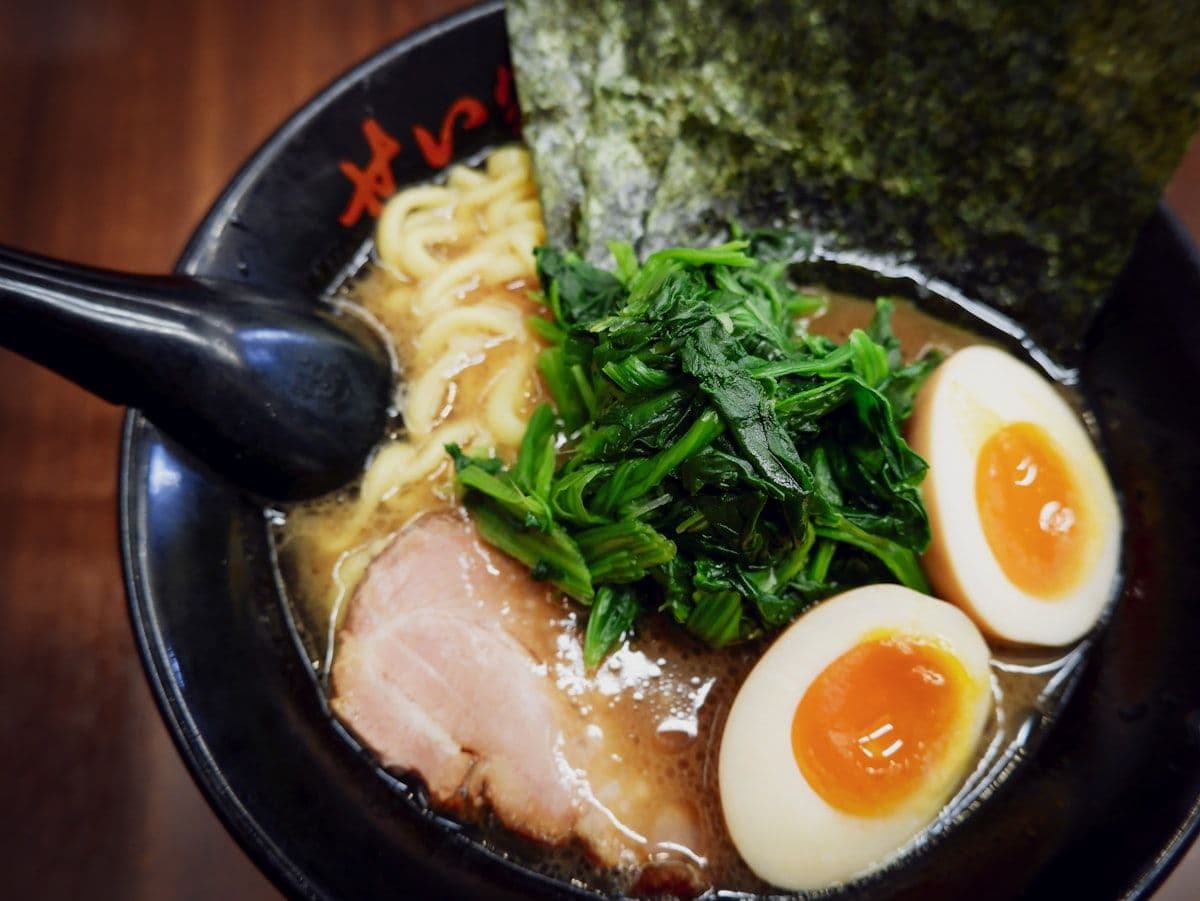
Reimen — Morioka cold noodles — is the legacy of the city's Korean community: chewy, almost translucent noodles in a clear cold broth, topped with kimchi, slices of beef, and a piece of fruit, eaten especially in summer. Jajamen, the third, is a soft flat noodle served with meat-and-miso sauce and cucumber, finished by cracking a raw egg into the residual sauce and asking for hot noodle water to make a soup. The three together are reason enough to come hungry.
Food & Sake
Morioka's Three Noodles: The City That Settled the Carb Debate
Three noodle dishes. One small city. Morioka has more interesting food culture per capita than anywhere else in Japan.
Coffee, Jazz, and an Old-Fashioned Pace
Part of what the New York Times responded to was Morioka's unhurried, analogue character — a city of long-running kissaten (traditional coffee houses) and jazz cafés where records play and conversation is quiet. Establishments that have poured coffee the same way for half a century still do a steady trade. It is a city that rewards wandering without an itinerary, ducking into a café, and watching an ordinary regional capital go about its day.
The craft tradition runs alongside this. Morioka is the home of Nanbu ironware — the heavy cast-iron kettles and teapots that are among Tohoku's most recognisable crafts — and shops and workshops around the city sell directly, with the city's long ironworking history visible in its older quarters.
Day Trips from Morioka
Morioka is a strong base for northern Tohoku. Hiraizumi, the former seat of a 12th-century golden Buddhist culture and a UNESCO World Heritage Site, lies south by train. The Hachimantai highland, with its volcanic plateau and hot springs, rises to the north. Mt. Iwate itself offers serious hiking in summer. The Sanriku coast, with its dramatic cliffs and fishing towns, is reachable to the east.
For travellers building a Tohoku route, Morioka pairs naturally with the far north — it is the last major city before Aomori — and with the hot-spring country of Akita just across the mountains, reached on the Akita Shinkansen branch.
Getting to Morioka
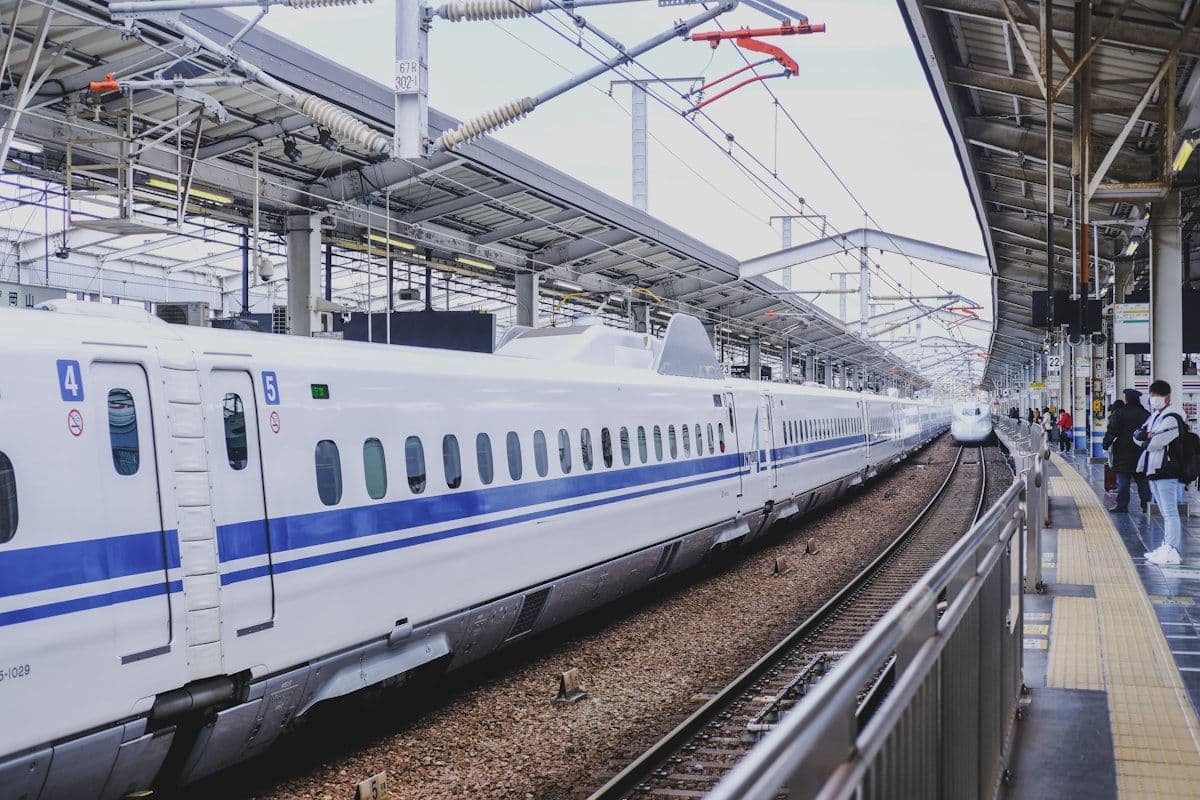
Morioka is on the Tohoku Shinkansen, about two hours and ten minutes from Tokyo and 40 minutes from Sendai. It is also the junction where the Akita Shinkansen branches west toward Tazawako, Kakunodate, and Akita. The city centre is a 15-to-20-minute walk or a short bus ride from the station, and the central sights are best explored on foot.
A day is enough to take Morioka's measure; two allow for the food, the cafés, and a single day trip. It is one of the most rewarding small cities in Tohoku, and no longer a secret.
Questions Travelers Ask About Morioka
Why did the New York Times recommend Morioka?
In 2023 the New York Times ranked Morioka second on its list of places to go, praising its walkable scale, historic architecture, unhurried café culture, and lack of crowds — a quietly rewarding regional capital that most travellers had overlooked.
What food is Morioka famous for?
Morioka is known for three noodle dishes: wanko soba (tiny refilled bowls of buckwheat noodles), Morioka reimen (chewy cold noodles in clear broth), and jajamen (flat noodles with meat-miso sauce). It is also the home of Nanbu cast ironware.
How do you get to Morioka from Tokyo?
Take the Tohoku Shinkansen from Tokyo to Morioka, about two hours and ten minutes. Morioka is also the junction for the Akita Shinkansen, making it a convenient base for exploring northern Tohoku.