Nature— summer
Hachimantai: The Volcanic Plateau Between Iwate and Akita
June 8, 2026
Hachimantai is a high volcanic plateau on the Iwate–Akita border: alpine marshes, mud-bath hot springs, a famous spring snow corridor, and the seasonal "Dragon Eye" pond. Here is how to visit.
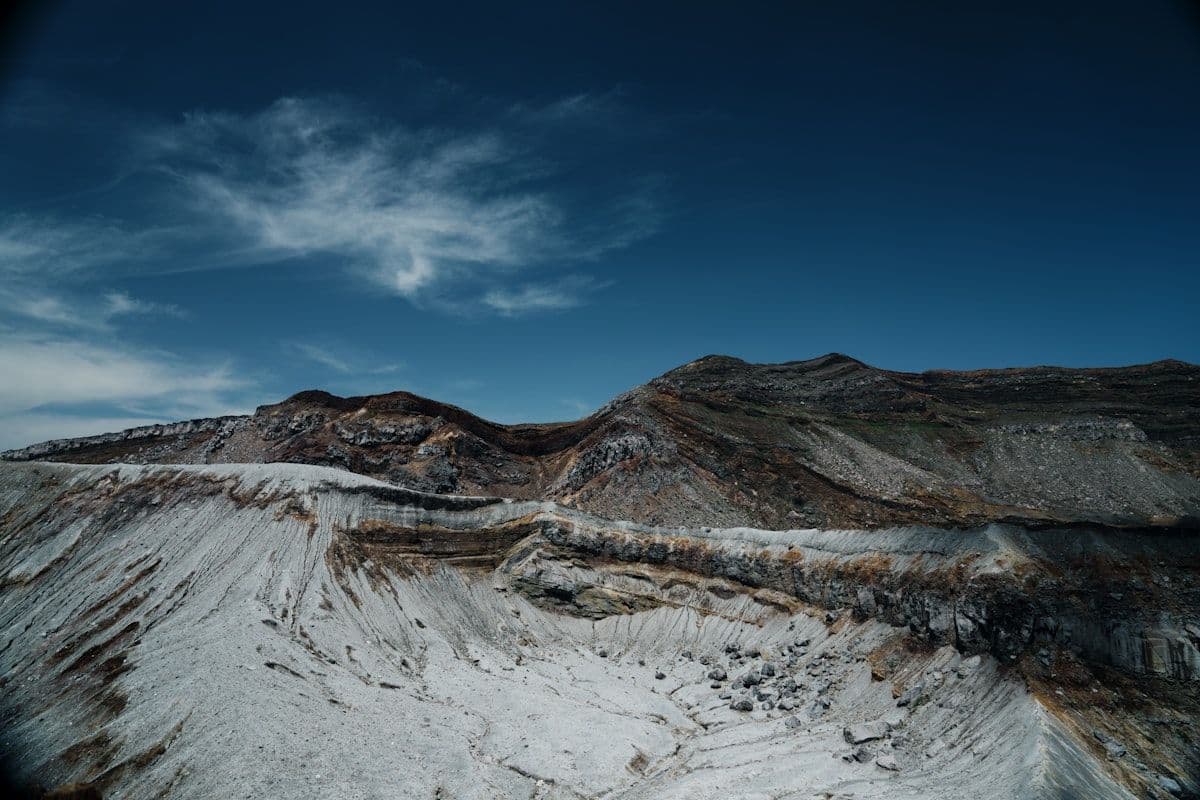
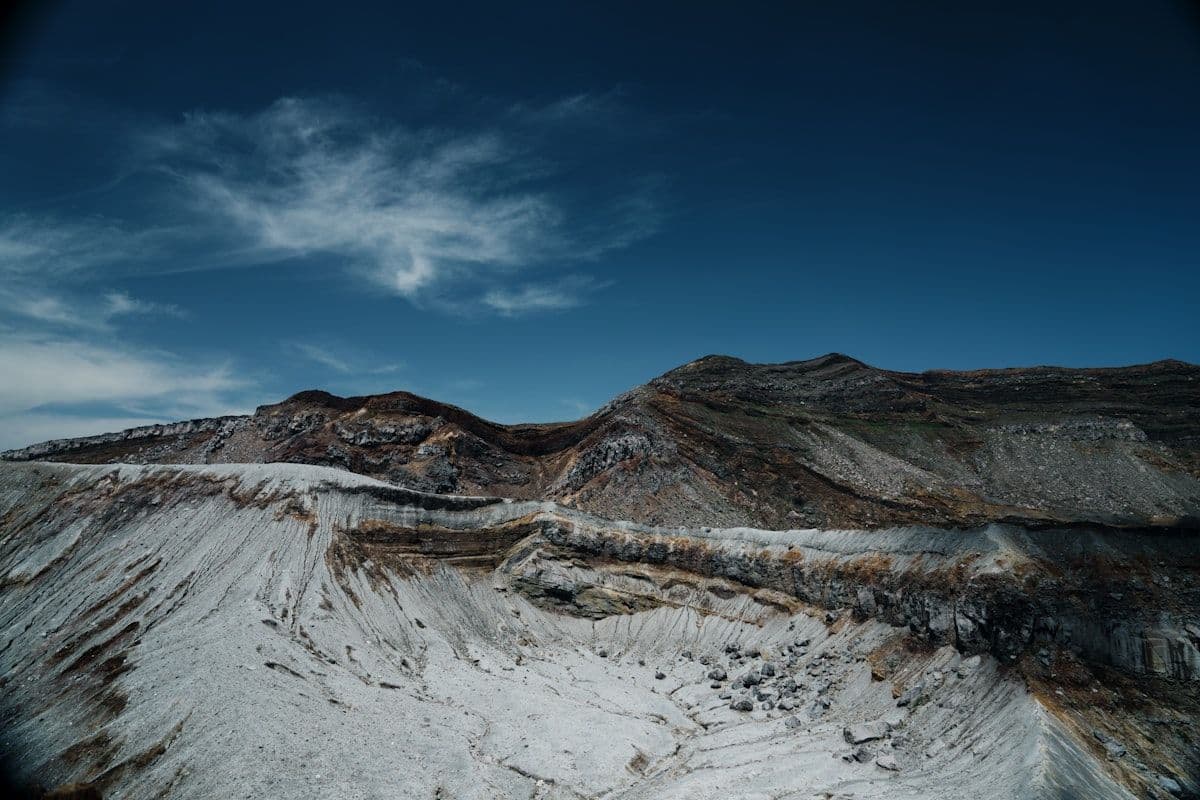
Hachimantai is a high, broad volcanic plateau straddling the border of Iwate and Akita, a landscape of alpine marshes, crater ponds, and steaming hot springs spread across the roof of northern Tohoku. It is less famous than the gorges and onsen towns below it, which is part of its appeal: this is high country for hikers, drivers, and bathers who want the mountains largely to themselves.
The plateau is defined by altitude and season. For roughly half the year it lies under deep snow; for the other half it opens into one of the finest highland walking areas in Japan.
The Aspite Line and the Snow Corridor
The Hachimantai Aspite Line is the mountain road that crosses the plateau, climbing through forest to the treeless highland near the summit. When it reopens in mid-April after the winter closure, snowploughs cut through drifts that can stand well over the height of a car, creating a corridor of white walls that drivers and cyclists pass between in the weeks before the snow melts. It is northern Tohoku's answer to the more famous snow corridor of the Japan Alps, with a fraction of the crowds.
The road is closed through the deep winter and reopens with the season, so timing matters: late April and May for the snow walls, summer for the alpine flowers, and October for the foliage that sweeps down the slopes.
Hiking the Plateau
From the highest point on the road, a gentle network of boardwalk trails loops across the marshy summit plateau, past alpine ponds and seasonal wildflowers, with views to the surrounding volcanoes. The walk to the Hachimantai summit is short and undemanding by the standards of Japanese mountains — under an hour round trip — which makes the high alpine scenery accessible to casual walkers, not only serious hikers.
Nature
Hiking in Tohoku: Five Trails That Belong on Every Serious Walker's List
Tohoku's mountains are among Japan's finest and least crowded. Here are five trails that reward the effort, from sacred pilgrimage routes to volcanic crater rims.
For those wanting more, longer trails connect to neighbouring peaks and crater lakes, and the wider area forms part of a national park rich in marshland ecology. The combination of easy access and genuine high-mountain landscape is rare, and it is the main reason to come.
The Dragon Eye
In late May and early June, a small alpine pond near the summit produces one of Tohoku's most curious natural sights. As the thick winter ice on Kagami-numa pond begins to melt from the edges while the centre remains frozen and slightly raised, the pond forms a pattern that looks uncannily like a great blue-and-white eye staring up from the mountain. The "Dragon Eye," as it is known, appears only briefly each year and only when conditions align, drawing photographers who time their visit to the thaw.
The Hot Springs of Hachimantai
The volcanic plateau is rich in hot springs, several of them unusual even by Tohoku standards. Goshogake Onsen is known for its rare mud baths and natural steam saunas, set among bubbling mud pots and fumaroles that visitors can walk among on a marked nature trail. Toshichi Onsen, among the highest-altitude hot springs in the region, draws strongly acidic, milky water and stays open into the snow season. These are rustic, mountain baths — the reward at the end of a day on the plateau.
When to Visit and Getting There
Hachimantai is a warm-season destination. The road and trails are open roughly from mid-April to late October or early November; outside that window the plateau belongs to the snow. Late spring brings the snow corridor and the Dragon Eye, summer the flowers and cool air, and autumn the foliage. A car is by far the most practical way to explore, as the plateau's sights are spread along the mountain road.
The usual approach is from Morioka in Iwate or from the Tazawako and Kazuno areas in Akita, with the plateau roughly between them. Seasonal buses serve some routes, but they are limited, and travellers without a car should check schedules carefully or base themselves at one of the mountain onsen.
Questions Travelers Ask About Hachimantai
What is Hachimantai known for?
Hachimantai is a high volcanic plateau on the Iwate–Akita border known for alpine marsh hiking, the spring snow corridor along the Aspite Line, mud-bath hot springs like Goshogake, and the seasonal "Dragon Eye" pond in late spring.
When can you visit Hachimantai?
The mountain road and trails are generally open from mid-April to late October. Late spring offers the snow corridor and Dragon Eye, summer the alpine flowers, and October the autumn colour. The plateau is closed by snow in winter.
What is the Dragon Eye at Hachimantai?
The Dragon Eye is a natural phenomenon at Kagami-numa pond in late May and early June, when melting ice forms a blue-and-white pattern resembling a giant eye. It appears only briefly and when conditions align.