Itinerary— all
Where to Base Yourself in Tohoku: Choosing Your Hub City
July 5, 2026
Tohoku is large, and the smartest itineraries waste little time in transit. This guide to where to stay in Tohoku breaks down the main hub cities, what each unlocks, and how to choose a base that fits the trip.
Tohoku rewards the patient traveler and punishes the disorganized one. The region covers six prefectures and most of northern Honshu, with its headline attractions scattered across mountains, coastlines, and valleys that can sit two or three hours apart by train. The single most consequential decision a visitor makes is not which sight to see but where to sleep between sights.
The question of where to stay in Tohoku is, at heart, a question about geography and time. Choose well and the region opens up through a series of easy day trips, each one a short ride from a comfortable bed and a familiar station. Choose poorly and a holiday dissolves into a blur of dragging luggage across platforms. The good news is that Tohoku organizes itself neatly around a handful of hub cities, and understanding what each one unlocks turns a daunting map into a manageable plan.
The Hub-and-Day-Trip Strategy
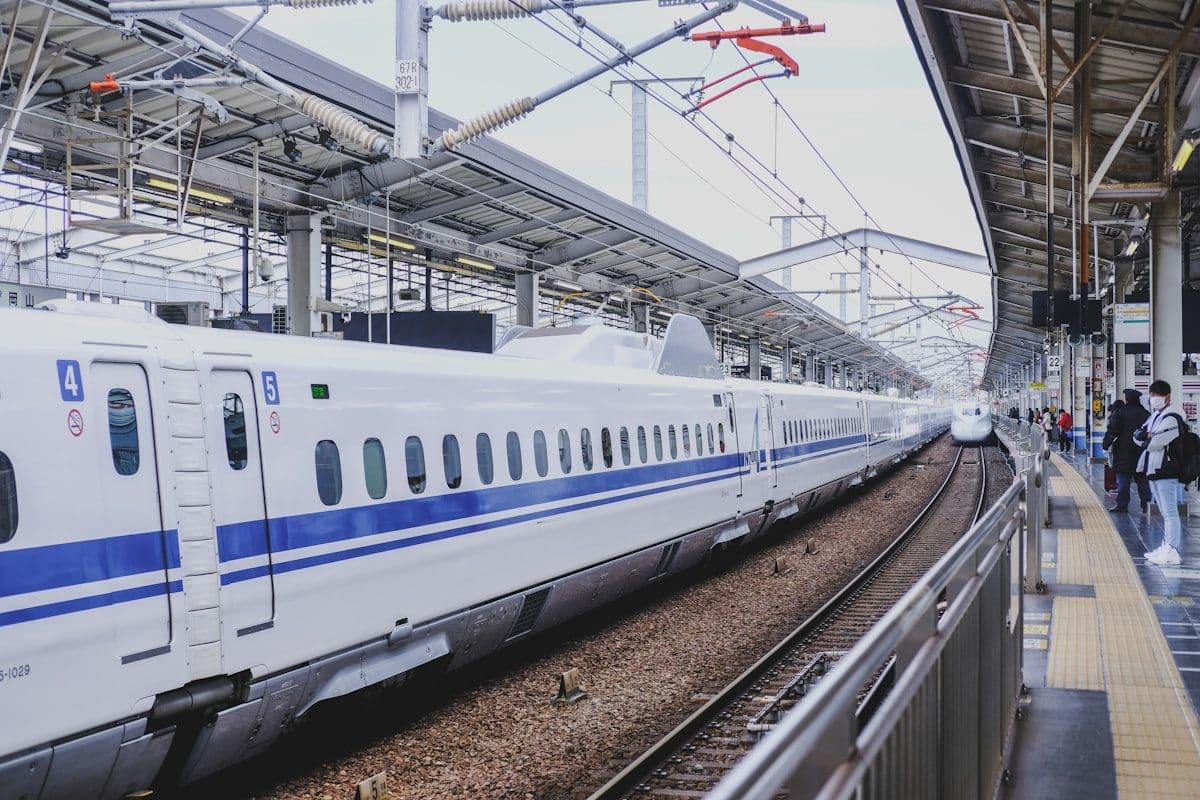
The most efficient way to see Tohoku is to treat one city as a base camp and radiate outward. The Tohoku Shinkansen runs like a spine up the eastern side of the region, linking Fukushima, Sendai, Morioka, and Aomori in a fast, frequent sequence. From each of these spine cities, conventional lines and buses branch off to the lakes, temples, and onsen valleys that draw visitors in the first place. A base on or near the shinkansen means most attractions become a comfortable round trip completed before dinner.
There is real value in this model beyond convenience. Unpacking once removes the friction that erodes a trip — no morning rituals of repacking, no checkout deadlines, no anxious hunt for a coin locker in an unfamiliar town. A fixed base also lets a traveler build a relationship with one place: the reliable coffee shop, the izakaya that remembers the order, the shortcut to the platform. Within a region as spread out as Tohoku, that small stability pays dividends.
The trade-off is that no single base reaches everything. Tohoku is too large for one hub to cover the whole region in day trips, which is why most well-planned itineraries use two bases — typically one in the south and one in the north — connected by a single shinkansen leg. The sections that follow lay out the main candidates and the territory each commands.
Sendai: The Obvious Main Hub
Sendai is the natural answer for most visitors, and especially for first-timers and short trips. It is by a wide margin the largest city in Tohoku, the regional capital, and the crossroads where the shinkansen, local lines, and an airport with growing international service all converge. That scale translates into the deepest pool of accommodation in the region, the widest range of restaurants, and the most English-friendly infrastructure a traveler is likely to find north of Tokyo.
What Sendai unlocks is the dense cluster of southern Tohoku's signature sights. Matsushima Bay, with its pine-clad islets long counted among Japan's most celebrated views, sits roughly half an hour away by local train. Yamadera, the mountainside temple whose stone steps climb to one of the most photographed vistas in the country, is reached on the scenic line toward Yamagata. The hot-spring district of Akiu lies just inland by bus, and the city of Yamagata itself is close enough for a half-day visit. For someone with three or four nights and a desire to sample the region without committing to long transfers, Sendai is hard to beat.
Who Sendai Suits
Sendai is the right base for first-time visitors, business travelers extending a stay, and anyone who values dependable logistics over rustic atmosphere. It is a working city rather than a postcard, and the area around the station is functional more than charming. But for ease of access and breadth of options, no other hub competes.
Morioka: The Gateway Between South and North
Morioka occupies a strategic middle position, both on the map and in any itinerary. The capital of Iwate, it sits far enough north to serve as a launch point for attractions that Sendai cannot easily reach, yet it remains a quick shinkansen ride from the south. For travelers stitching together the whole region, Morioka is the logical pivot — the place to spend a night or two while crossing from southern to northern Tohoku.
The city has its own quiet appeal. It is known for craft traditions, notably the iron kettles of the surrounding area, and for a trio of beloved noodle dishes that locals treat with genuine devotion. From Morioka, the UNESCO-listed temples and gardens of Hiraizumi lie a short ride south, a serene survival of the Heian-era ambition to build a Buddhist paradise on earth. To the west, the deep blue of Lake Tazawa and the thatched-roof bathhouses of the Nyuto onsen cluster reward a longer day trip, while the Hachimantai plateau offers volcanic landscapes and hiking in the warmer months.
Onsen
The Ryokan Standard: Why Tohoku's Inns Are Japan's Finest
The best ryokan in Japan are not in Kyoto. Here is why Tohoku's traditional inns set the standard — and which ones to book.
Who Morioka Suits
Morioka rewards travelers on a longer, north-to-south journey, food-minded visitors, and those who want a base with local texture but reliable rail links. It is less of a destination in its own right than Sendai and less atmospheric than the far north, but its position makes it indispensable to anyone covering ground.
Aomori and Hirosaki: The Far-North Base
At the top of Honshu, the cities of Aomori and Hirosaki anchor the region's northern reaches. The two sit close together and can be treated almost interchangeably as a base, though they have different characters. Aomori is the larger port city and the shinkansen terminus; Hirosaki, inland, is the more graceful of the pair, built around a castle and a celebrated park that turns to clouds of cherry blossom in spring.
This is the base for travelers drawn to Tsugaru culture, the distinctive folk traditions of the area, and to landscapes that feel genuinely remote. The Hakkoda mountains rise just south of the city, famed for autumn color and, in winter, for the snow-laden trees of the high slopes. Beyond them lies the Oirase Gorge, a walkable stream valley of moss and waterfalls, and Lake Towada, a vast crater lake of unusual stillness. In summer, Aomori erupts into the Nebuta Festival, when illuminated floats of warriors and demons are paraded through the streets. The region is also Japan's apple heartland, a fact reflected in everything from roadside stands to local desserts.
Who the Far North Suits
Aomori and Hirosaki suit travelers with time to spare, a second-base mindset, and an appetite for nature and festival culture over urban convenience. The distances here are real, and a far-north base is best paired with at least a couple of nights to justify the journey up the line.
Yamagata and the Inland West
Yamagata Prefecture is a case where the most rewarding bases are sometimes the destinations themselves rather than a single city. The prefectural capital is a perfectly serviceable hub, well connected to Sendai and within reach of Yamadera, but the region's defining experiences cluster in places that reward an overnight stay on their own terms.
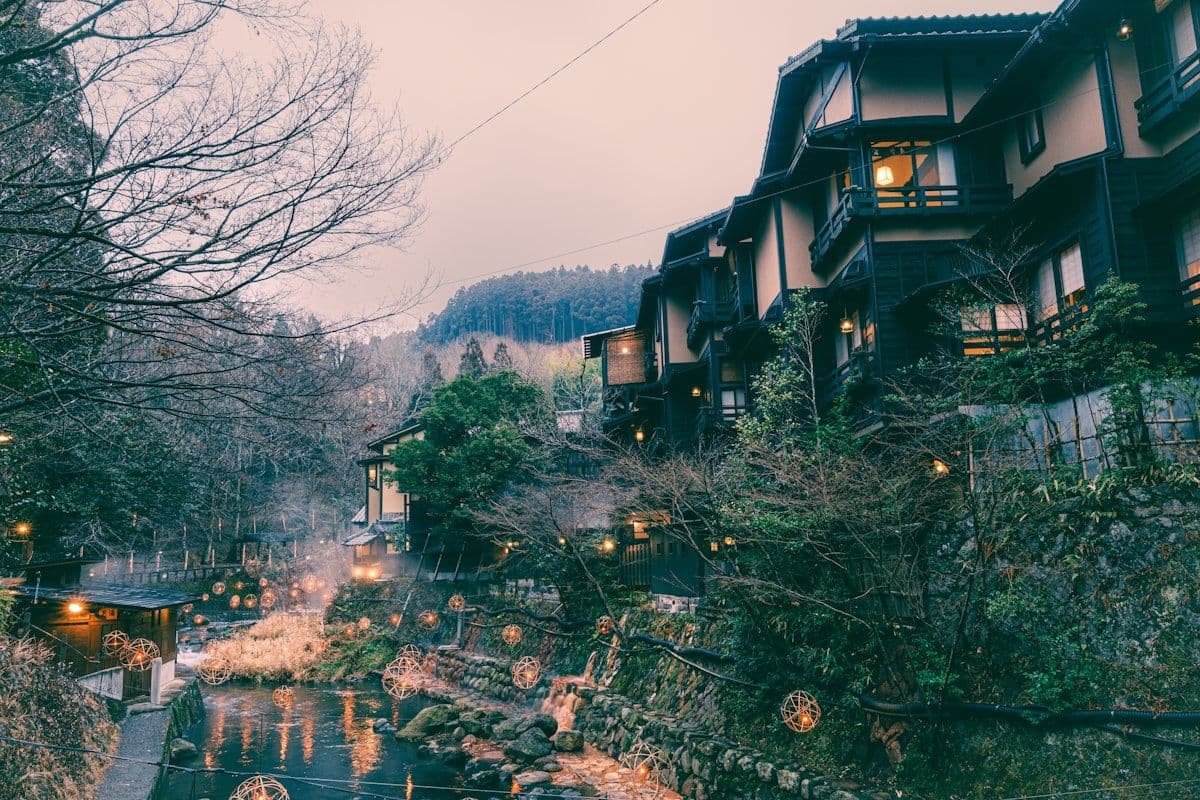
Chief among them is Ginzan Onsen, a hot-spring village of wooden inns lining a river gorge, at its most beguiling after dark when gaslights reflect on the snow. The ski and onsen resort of Zao, known for its hot springs and for the frost-encrusted trees that form on the upper mountain in deep winter, makes another natural overnight. And the Dewa Sanzan — three sacred peaks bound up with centuries of mountain asceticism — call for a base nearer the coast, in or around the pilgrimage town that serves them. For travelers building an itinerary around these, the right move is often to slot a night in the place itself rather than commuting from a distant city.
Aizu-Wakamatsu and Koriyama: The Fukushima Base
Southern Tohoku has its own hub options in Fukushima Prefecture, and they are frequently overlooked by visitors who head straight north. Koriyama is the practical shinkansen-side base, a transport node with good connections, while Aizu-Wakamatsu, set in a basin to the west, is the more evocative place to stay — a former castle town steeped in samurai history and the dramatic story of its late-Edo defenders.
From a Fukushima base, the thatched post town of Ouchi-juku preserves the look of an Edo-period waystation, its main street lined with steep-roofed houses. To the north, the Urabandai highlands offer the Goshikinuma trail, a chain of ponds in improbable shades of cobalt and jade formed by a volcanic eruption more than a century ago. For travelers entering Tohoku from Tokyo, this corner makes a strong first or last base, adding history and landscape without straying far up the line.
Base vs. Move-Around
Not every trip should be built on a single fixed base, and the alternative deserves honest consideration. The move-every-night approach — sleeping in a new place every one or two nights as the itinerary advances up the line — suits travelers who want to maximize the number of distinct places they wake up in and who do not mind the logistics. It works best when the route runs in one consistent direction, so that each transfer carries the trip forward rather than doubling back.
The fixed-base approach trades that variety for ease, and for most visitors the comfort wins. A sensible middle path, and the one many experienced travelers settle on, is a hybrid: anchor in a southern hub such as Sendai for several nights, then shift to a northern hub such as Morioka or Aomori for the remainder, with one or two deliberate onsen-town overnights woven in. Those overnights matter. A night at Ginzan or in the Nyuto cluster is not merely accommodation; it is an experience in itself, and one that a day trip cannot replicate. The empty bath at dawn, the silence of a mountain valley after the day visitors leave — these are reasons to break the base-camp logic on purpose.
Accommodation Types and How to Choose
The choice of base is also a choice of lodging style, and Tohoku offers three broad categories. Hotels, concentrated in the hub cities, deliver predictability: standardized rooms, reliable check-in, and the highest density of English-speaking staff. They are the safe default for a city base and for travelers who want logistics handled with minimal fuss.
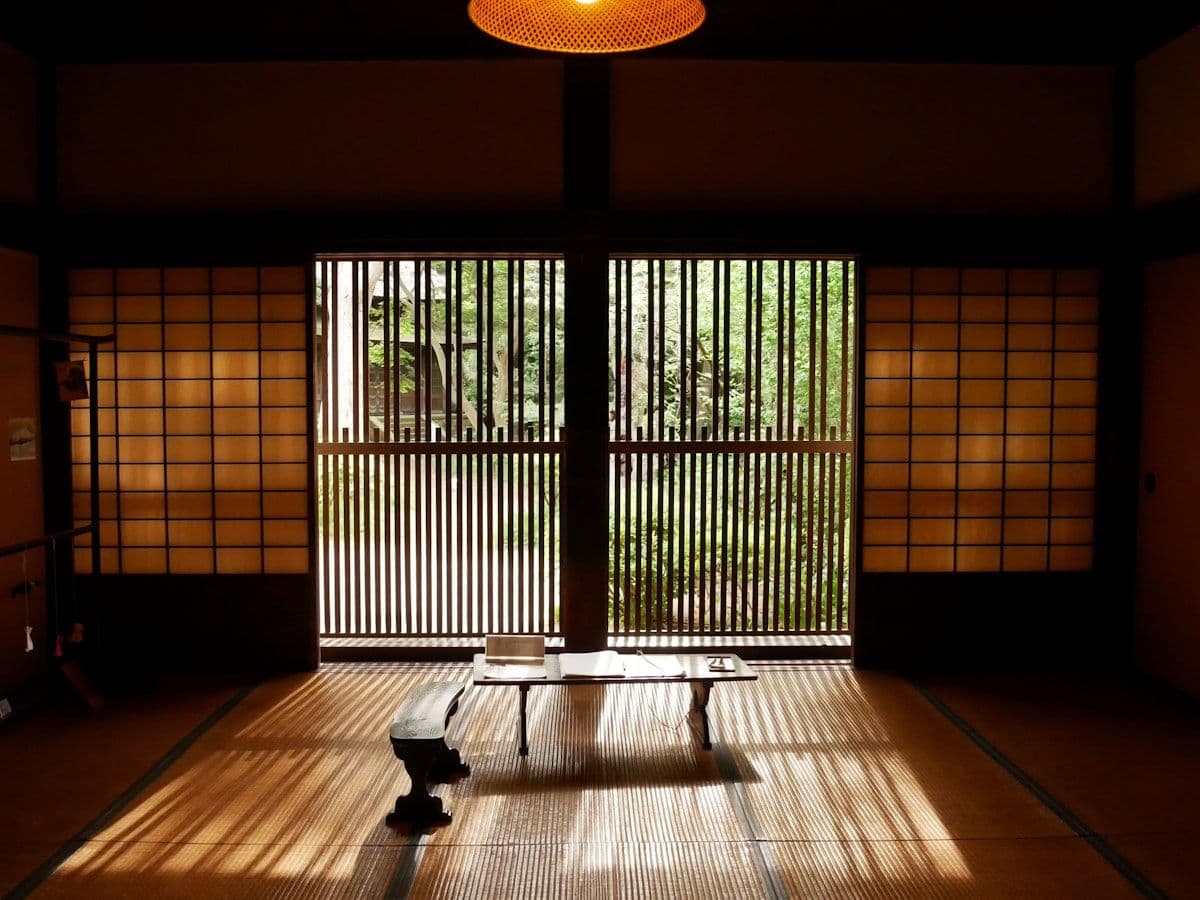
Ryokan, the traditional inns, are where Tohoku's hospitality reaches its fullest expression, particularly in the onsen towns. A stay typically includes an elaborate dinner of regional dishes and a morning meal, and the room itself — tatami, futon, a private or shared bath — is part of the appeal. Ryokan are best treated as a destination experience rather than a base, since their rhythm of fixed meal times rewards staying put. Guesthouses and smaller minshuku occupy the budget end, offering character and local contact at the cost of amenities, and they cluster in towns large enough to have a backpacker presence.
Where English-Friendly Options Concentrate
English-friendly accommodation is densest in Sendai and around the major shinkansen stations, thinning steadily as a traveler moves into rural valleys and onsen districts. This is not a barrier — staff in even remote inns are accustomed to foreign guests and translation apps cover the gaps — but it is a reason to weight a first Tohoku trip toward the larger hubs. Booking ahead is strongly advised for onsen-town ryokan, which are limited in number and fill quickly around festivals, autumn color, and ski season; city hotels can usually be secured with shorter notice.
Frequently Asked Questions
What is the best city to stay in for a first trip to Tohoku?
Sendai is the strongest choice for a first trip. As the region's largest city and shinkansen crossroads, it offers the most hotels, the widest range of restaurants, and the most English-friendly infrastructure, while putting Matsushima, Yamadera, Akiu, and Yamagata within easy day-trip reach. It is the lowest-friction way to sample southern Tohoku before deciding whether to venture north.
How many bases do I need to see all of Tohoku?
Two bases are usually enough to cover the region comfortably. A common structure pairs a southern hub such as Sendai with a northern one such as Morioka or Aomori, linked by a single shinkansen leg, with optional onsen-town overnights added in between. A single base cannot reach the whole region in day trips, but more than two often introduces unnecessary repacking unless the trip is long.
Should I stay in a hotel or a ryokan in Tohoku?
The two serve different purposes, and many itineraries use both. Hotels in the hub cities make the most practical base, offering predictability and reliable logistics for day-tripping. A ryokan, especially in an onsen town like Ginzan or the Nyuto cluster, is better treated as a destination experience for one or two nights, since its meals and rhythm reward staying put rather than commuting out.
Is it better to pick one base or move around Tohoku?
For most visitors, a fixed base — or a two-base structure — is more comfortable, removing the daily friction of repacking and checkout. Moving every one or two nights suits travelers who prioritize variety and follow a route in one consistent direction. A hybrid of a few nights per hub, with a deliberate onsen-town overnight or two, captures much of the benefit of both approaches.