Itinerary— all
A Long Weekend in Tohoku from Tokyo: Three Days, One Shinkansen
July 4, 2026
Tohoku is closer than most Tokyo residents assume. This Tohoku 3 day itinerary offers three distinct long-weekend routes — onsen, coast, or castle country — each reachable on a single shinkansen line.
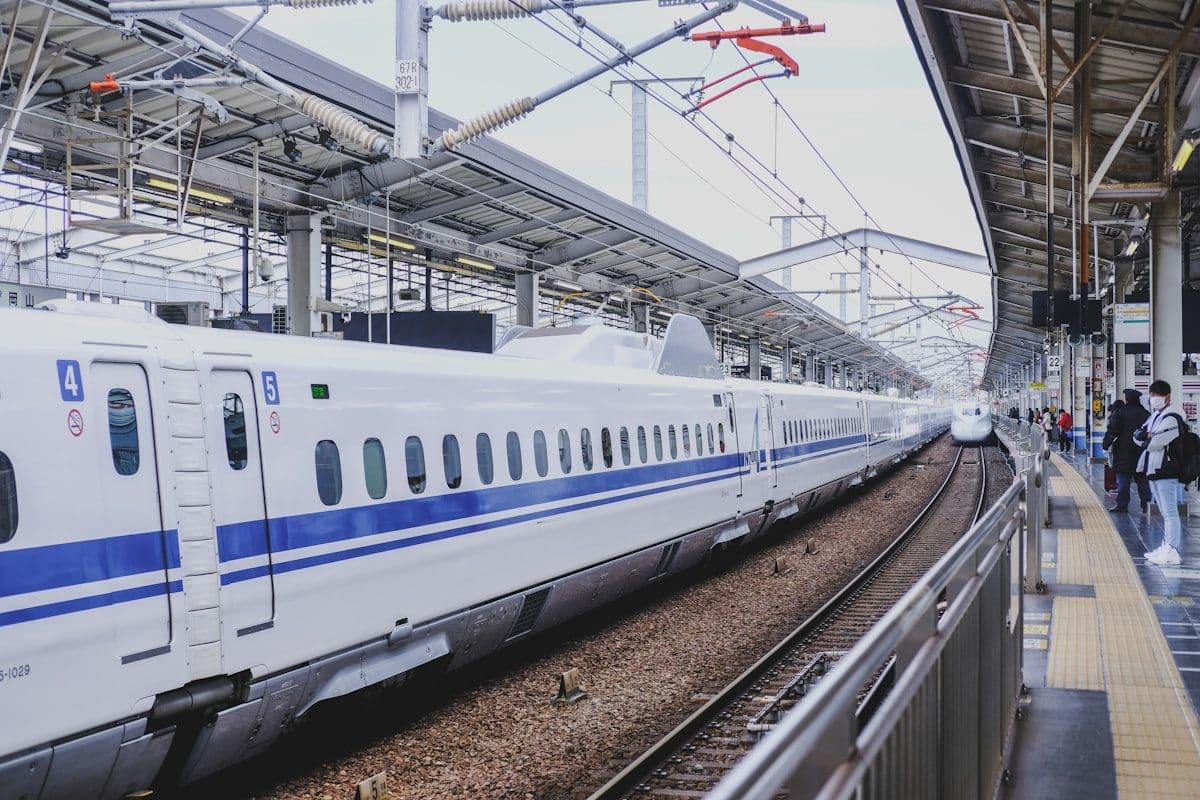
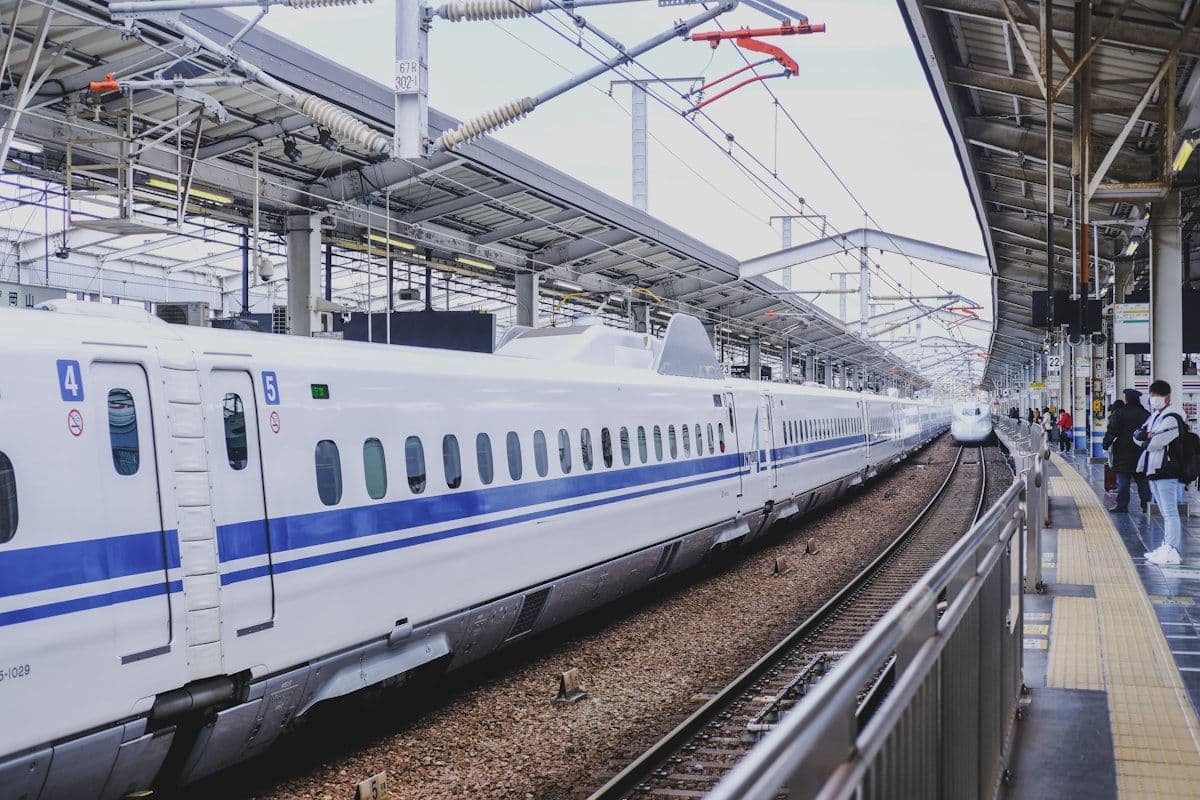
Tohoku begins ninety minutes north of Tokyo Station. That figure surprises most people, including those who have lived in the capital for years and still file the northern provinces somewhere beyond the reach of a weekend. The shinkansen has quietly dissolved that distance. Sendai is about an hour and a half away; Fukushima is roughly the same; Yamagata sits at around two and a half hours on its own branch line. None of these are journeys that require a full day of travel or a week of vacation to justify.
What this means in practice is that a long weekend — three days and two nights, or three nights if a national holiday cooperates — is enough to reach a genuinely different part of Japan and return rested rather than wrung out. The trick is not to attempt all of Tohoku at once. The region is large, and the most common mistake is treating a short trip as a sampler platter, sprinting between prefectures and seeing the inside of train carriages more than anything else. A better approach is to choose one thread and follow it. What follows are three routes, each built around a single idea, each anchored to one shinkansen line, and each comfortably done in three days.
Why a Tohoku Long Weekend Actually Works
The case for the northern weekend rests on arithmetic. A trip to Kyoto from Tokyo takes a little over two hours by Nozomi. Sendai takes less. The perception that Tohoku is remote is a holdover from an earlier era of travel, before the Tohoku Shinkansen extended its reach and trimmed its timetables. Today the constraint on a short trip is rarely the distance covered; it is the temptation to cover too much of it.
Departure timing does more for a long weekend than any other single decision. Leaving Tokyo on Friday evening — even on a late train after work — converts a two-night trip into something that feels like three. A traveler who arrives in Sendai or Yamagata by nine or ten on Friday night wakes up already in Tohoku, with two full days ahead rather than one and a half. The alternative, an early Saturday departure, is perfectly workable but surrenders the first morning to motion. For visitors based in Tokyo on a tight schedule, the Friday-night start is the quiet luxury that makes the whole exercise feel unhurried.
The second principle is restraint. Three days allows for one base, perhaps two, and a small number of deliberate stops. It does not allow for a checklist. The itineraries below each leave deliberate slack — an unscheduled afternoon, a long soak, a slow lunch — because the point of going north is rarely to maximize sightseeing density. It is to step out of the capital's tempo for seventy-two hours.
Route One: The Onsen Escape — Yamagata, Ginzan, and Yamadera
This is the route for travelers who want the trip to slow them down. It trades breadth for depth, spending most of its hours in the mountains of Yamagata and a single, memorable night at one of Japan's most photographed hot-spring towns. It suits the cold months especially well, when Ginzan Onsen's gas lamps and snow-banked river produce the scene that fills postcards, but it holds up across the seasons.
Day One: Tokyo to Ginzan Onsen
The Yamagata Shinkansen runs from Tokyo to Yamagata in roughly two and a half hours, branching off the main line and slowing to share track with conventional rail for the final stretch. From Yamagata, a local train and a short bus connect to Ginzan Onsen, a narrow valley town of wooden ryokan stacked along a small river. Cars are kept to the edge of the village, so the approach is on foot, and the effect is of stepping back several decades. The right move is to arrive in the afternoon, check into a ryokan, and stay the night — the town empties of day-trippers after dark, and the lamplit streets belong to overnight guests. Dinner is typically a multi-course kaiseki served at the inn.
Day Two: Ginzan to Yamadera
After a slow morning and a final bath, the return toward Yamagata passes within reach of Yamadera, the mountain temple complex whose name means simply 'mountain temple.' Its formal name is Risshaku-ji, and reaching the upper halls requires climbing roughly a thousand stone steps through cedar forest. The ascent is unhurried by design; the poet Basho paused here and found the silence worth recording. The views from the top, out over the valley, reward the effort. An overnight in Yamagata city, or a return to Ginzan for those reluctant to leave, closes the day.
Day Three: Yamagata to Tokyo
The final day is best kept loose — a morning in Yamagata city, perhaps its soba or a visit to a local sake brewery, before the early-afternoon shinkansen back to Tokyo. The route's defining quality is that it asks very little of the traveler. There is one major climb and otherwise a great deal of sitting in hot water and looking at mountains, which is rather the point.
Route Two: The City-and-Bay — Sendai, Matsushima, and Akiu
Itinerary
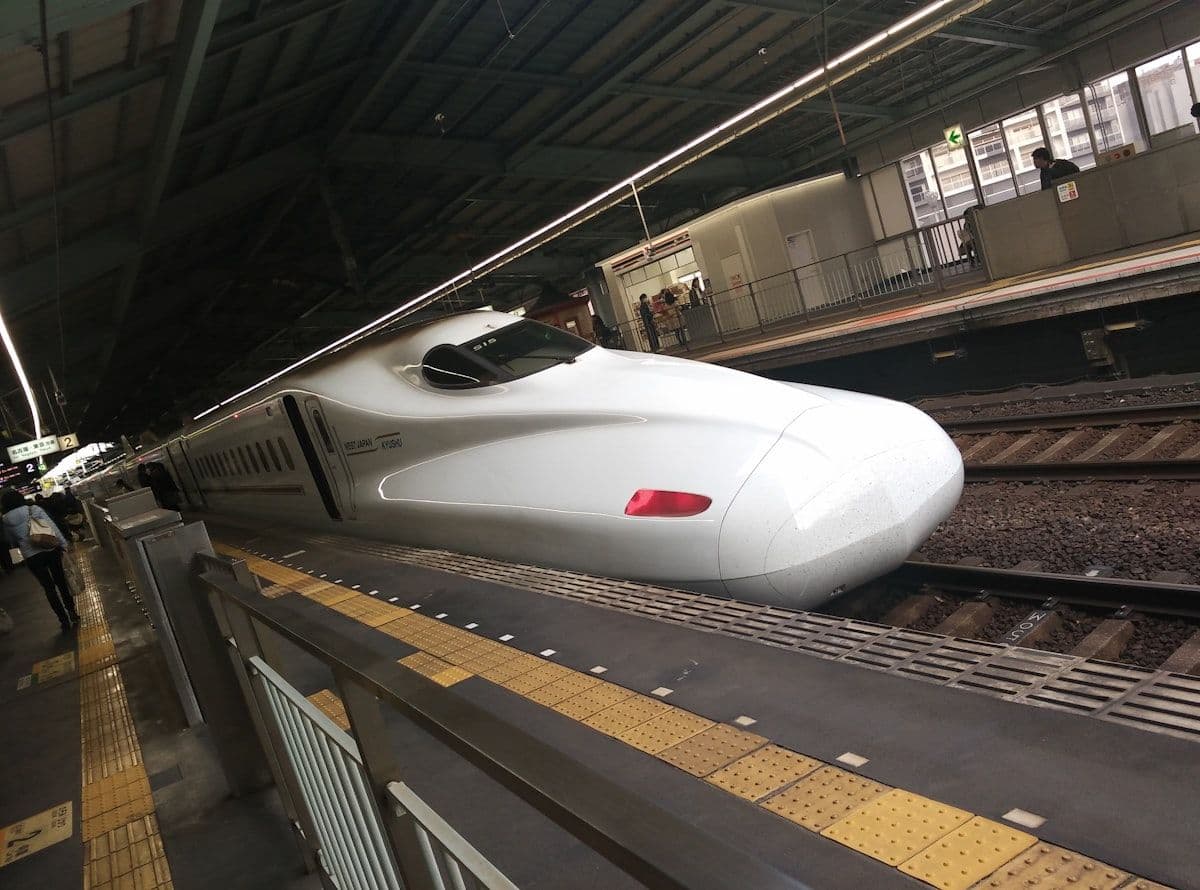
How to Get to Tohoku from Tokyo: The Complete Transport Guide
How to get to Tohoku from Tokyo: a complete guide to the Tohoku Shinkansen, its branch lines, flights, rail passes, and which gateway to choose for each part of the region.
The second route is the most balanced of the three, pairing a lively regional capital with one of the classic scenic landscapes of Japan and a hot-spring valley close enough to the city to require almost no travel time. It is the strongest choice for first-time visitors and for any season, since none of its pleasures depend on snow or foliage.
Day One: Tokyo to Sendai
Sendai is the obvious anchor — under ninety minutes from Tokyo on the fastest services. The city is green, walkable, and known above all for gyutan, charcoal-grilled beef tongue, which is less a novelty than a genuine regional craft worth seeking out at one of the specialist restaurants near the station. An afternoon arrival leaves time for the ruins of Aoba Castle, set on a hillside above the city, where the equestrian statue of the warlord Date Masamune looks out over the streets he founded. The site offers the best overview of Sendai's layout and a sense of the clan that shaped the region.
Day Two: Matsushima Bay
Matsushima is a short train ride from Sendai, and its bay — dotted with hundreds of pine-clad islets — has been counted among Japan's three great views for centuries. A sightseeing cruise threads between the islands; on land, the temple of Zuiganji and the small island shrines connected by vermilion bridges fill an unhurried day. The bay is also a place to eat well, with oysters in the colder months a particular draw. Returning to Sendai for the night keeps logistics simple.
Day Three: Akiu Onsen and the Return
Akiu Onsen lies less than an hour from central Sendai by bus, which makes it an unusually convenient hot spring for a city base. The valley holds a respected cluster of ryokan and the nearby Akiu Great Falls, a broad cascade that is worth the short detour. A morning soak and a look at the falls make a fitting close before the return to Sendai station and the shinkansen south. The route's appeal is its variety: a city, a seascape, and a soak, none of them more than an hour apart.
Route Three: The Samurai-and-Castle Route — Aizu-Wakamatsu and Ouchi-juku
The third route goes to Fukushima's interior, to a region that wears its samurai history more openly than anywhere else in Tohoku. It is the most logistically involved of the three, trading some convenience for atmosphere, and it rewards travelers drawn to history, architecture, and the texture of an older Japan. Autumn, when the surrounding hills turn, is a particularly fine time to go.
Day One: Tokyo to Aizu-Wakamatsu
The shinkansen reaches Koriyama in about ninety minutes, where a transfer to the conventional Banetsu West Line carries on to Aizu-Wakamatsu, the historic seat of the Aizu domain. The total journey runs longer than the other routes, but the destination justifies it. Tsuruga Castle, reconstructed with its distinctive red-tiled roof, stands at the center of the city and tells the story of the domain's tragic stand during the upheavals of the late nineteenth century. The samurai districts and the Sazaedo, an unusual double-helix wooden pagoda, fill out a first afternoon.
Day Two: Ouchi-juku and Higashiyama Onsen
Ouchi-juku is the reason many travelers make this trip. A former post town on an old highway, its street of thatched-roof houses has been preserved almost intact, and walking it on a quiet morning is as close to time travel as Japan readily offers. The town is known for negi-soba, eaten with a single leek in place of chopsticks. Reaching it requires local trains and a bus, so the day moves deliberately. The night is best spent at Higashiyama Onsen, a hot-spring quarter tucked into a gorge on the edge of Aizu-Wakamatsu, where the inns have served travelers and convalescents for over a thousand years.
Day Three: Return via Koriyama
The final morning allows for anything missed in Aizu-Wakamatsu — a sake brewery, perhaps, since the region is among Japan's most decorated for its rice wine — before retracing the line to Koriyama and the shinkansen home. This route demands the most patience with connections, but it delivers the strongest sense of having traveled somewhere genuinely apart.
How to Choose, and the Practical Logistics
The choice among the three comes down to temperament and season. Travelers who want to do as little as possible should take the onsen route; those who want a bit of everything should take Sendai and the bay; those who care about history and don't mind a few transfers should head for Aizu. Winter favors Ginzan; autumn favors Aizu; Sendai and Matsushima are reliable in any month. None of the three should be combined with another — the temptation to chain two routes together is precisely the overpacking that ruins a short trip.
Is a JR Pass Worth It?
For a single weekend, usually not. Rail passes are priced for travelers covering long distances over many days, and a two- or three-night out-and-back to a single part of Tohoku rarely accumulates enough fare to justify one. A point-to-point reserved ticket — Tokyo to Sendai and back, for instance — is generally the cheaper option for these itineraries, and it avoids the activation and validity-window complications of a pass. Travelers planning to range more widely, or to continue further north afterward, should run the arithmetic; everyone else should simply book the individual legs.
Booking, Seats, and Luggage
Reserved seats are worth booking in advance for any Friday-evening departure and for the return on the final day, when trains fill. Tickets can be purchased at the station, through ticket machines, or online, and the fastest services are clearly marked on the timetable. Pack light. Shinkansen luggage space is adequate but not generous, and the routes above all involve at least one transfer to local trains or buses where a large suitcase becomes a liability. Many ryokan will hold a bag, and a small overnight case handles two or three nights without strain. Where a route reaches a town like Ginzan or Ouchi-juku on foot, modest luggage is not a preference but a near-necessity.
A Few Tips Worth Carrying North
Book the ryokan first and build the rest of the trip around it; the inn is the centerpiece of any onsen route, and the best ones fill early in peak seasons. Leave one afternoon entirely unplanned. Check the last connecting bus or local train of the day before committing to a remote stop, since rural timetables thin out sharply after dark. And resist the instinct to add one more thing — the difference between a good Tohoku 3 day itinerary and an exhausting one is almost always a single stop too many. The region rewards travelers who arrive ready to slow down, which is the one thing a long weekend, used well, makes possible.
Frequently Asked Questions
How far is Tohoku from Tokyo by shinkansen?
Closer than most people expect. Sendai is roughly ninety minutes from Tokyo Station on the fastest services, Fukushima is about the same, and Yamagata is around two and a half hours on its dedicated branch line. These times are comparable to, or shorter than, the trip to Kyoto, which is why a three-day Tohoku itinerary is entirely realistic on a long weekend.
Is three days enough to see Tohoku?
Three days is enough to experience one part of Tohoku well, but not the whole region. The most successful short trips choose a single thread — an onsen route through Yamagata, a city-and-coast loop around Sendai, or a history-focused circuit through Aizu in Fukushima — and follow it without trying to combine destinations. Treating the weekend as a sampler of the entire region is the surest way to spend it on trains.
Do I need a JR Pass for a Tohoku long weekend?
Generally not. Rail passes pay off for travelers covering long distances over many days, while a single out-and-back to one part of Tohoku rarely reaches the break-even point. For a two- or three-night trip, individual point-to-point reserved tickets are usually cheaper and simpler. Anyone planning to travel more extensively across the region should compare the costs directly before deciding.
When is the best season for a Tohoku 3 day itinerary?
It depends on the route. Winter is the classic time for Ginzan Onsen, when snow and gas lamps create its signature scene. Autumn suits the Aizu castle route, when the surrounding hills turn color. The Sendai and Matsushima loop works reliably in any season, since its appeal rests on the city, the bay, and nearby hot springs rather than on weather-dependent scenery.